
The circumstance on the German frontier have …
Years: 235 - 235
The circumstance on the German frontier have driven the army to look for a new leader.
They choose Gaius Iulius Verus Maximinus, who is most likely of Thraco-Roman origin (believed so by Herodian in his writings).
According to the notoriously unreliable Augustan History (Historia Augusta), he was born in Thrace or Moesia to a Gothic father and an Alanic mother, an Iranian people of the Scythian-Sarmatian branch; this supposed parentage is however highly unlikely, as the presence of the Goths in the Danubian area is first attested after the beginning of the Crisis of the Third Century.
British historian Ronald Syme, writing that "the word 'Gothia' should have sufficed for condemnation" of the passage in the Augustan History, felt that the burden of evidence from Herodian, George Syncellus (an eighth century chronicler) and elsewhere pointed to Maximinus having been born in Moesia.
The references to his "Gothic" ancestry might refer to a Thracian Getae origin (the two populations were often confused by later writers, most notably by Jordanes in his Getica), as suggested by the paragraphs describing how "he was singularly beloved by the Getae, moreover, as if he were one of themselves" and how he spoke "almost pure Thracian".
His background is, in any case, that of a provincial of low birth, and is seen by the Senate as a barbarian, not even a true Roman, despite Caracalla’s edict granting citizenship to all freeborn inhabitants of the Empire.
Maximinus is similar in many ways to the later Thraco-Roman Roman emperors of the third to fifth century (Licinius, Galerius, Aureolus, Leo the Thracian, etc.), who elevate themselves, via a military career, from the condition of a common soldier in one of the Roman legions to the foremost positions of political power.
He had joined the army during the reign of Septimius Severus, but had not risen to a powerful position until promoted by Alexander Severus.
Maximinus had been given command of Legio IV Italica, composed of recruits from Pannonia, who are angered by Alexander's payments to the Alemanni and his avoidance of war.
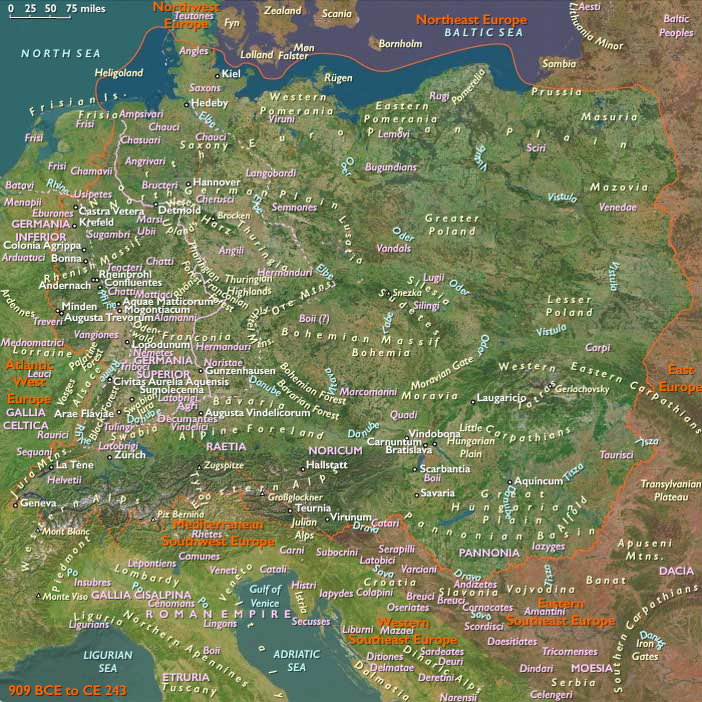
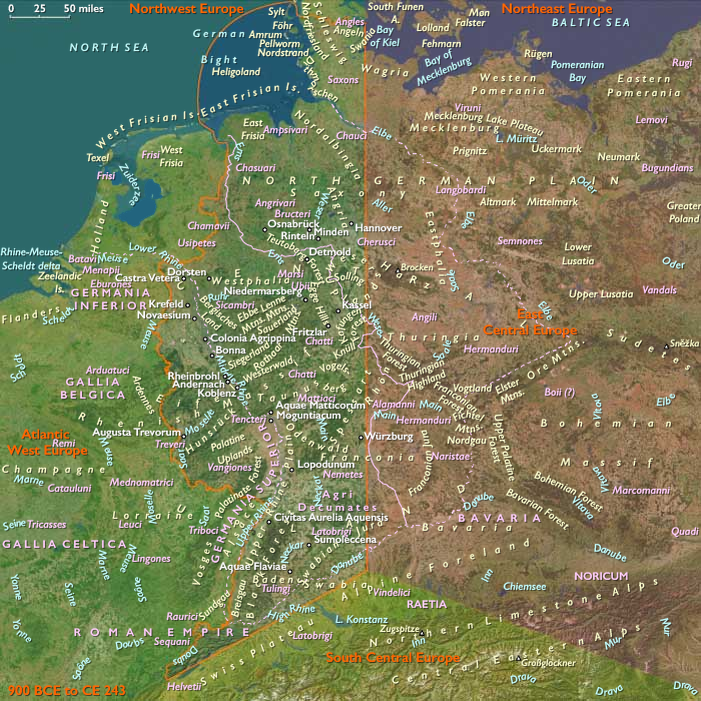
The troops, among whom include the Legio XXII Primigenia, elect the stern Maximinus on either March 18 or March 19, 235, killing young Alexander and his mother at Moguntiacum (modern Mainz).
These assassinations secure the throne for Maximinus.
The Praetorian Guard acclaims him emperor, and their choice is grudgingly confirmed by the Senate, who are displeased to have a peasant as emperor.
Maximinus hates the nobility and is ruthless towards those he suspected of plotting against him.
He begins by eliminating the close advisors of Alexander.
His suspicions may have been justified; two plots against Maximinus are foiled.
The first is during a campaign across the Rhine, during which a group of officers, supported by influential senators, plot the destruction of a bridge across the river, then leave Maximinus stranded on the other side.
Afterward they plan to elect senator Magnus emperor; the plot is discovered, however, and the conspirators executed.
The second plot involves Mesopotamian archers, loyal to Alexander, who had planned to elevate Quartinus, but their leader Macedo changes sides and murders Quartinus instead, although this is not enough to save his own life.
The accession of Maximinus is commonly seen as the beginning of the Crisis of the Third Century (also known as the "Military Anarchy" or the "Imperial Crisis"), the commonly applied name for the crumbling and near collapse of the Roman Empire between 235 and 284 caused by three simultaneous crises: external invasion, internal civil war, and economic collapse.
Locations
People
Groups
- Germania
- Germania Inferior (Roman province)
- Gallia Belgica (Roman province)
- Germans
- Roman Empire (Rome): Severan dynasty
- Roman Empire (Rome): Non-dynastic
Topics
- Classical antiquity
- Portraits, Classical
- Roman art
- Roman Age Optimum
- Crisis of the Third Century (Roman Civil “War” of 235-84)
Commodoties
Subjects
Regions
Subregions
Years: 235 - 235
Locations
People
Groups
- Germania
- Germania Inferior (Roman province)
- Gallia Belgica (Roman province)
- Germans
- Roman Empire (Rome): Severan dynasty
- Roman Empire (Rome): Non-dynastic
Topics
- Classical antiquity
- Portraits, Classical
- Roman art
- Roman Age Optimum
- Crisis of the Third Century (Roman Civil “War” of 235-84)
Commodoties
Subjects
Regions
Subregions