
The Cimbri and Their Allies Defeat Rome …
Years: 107BCE - 107BCE
The Cimbri and Their Allies Defeat Rome Again at Burdigala (107 BCE)
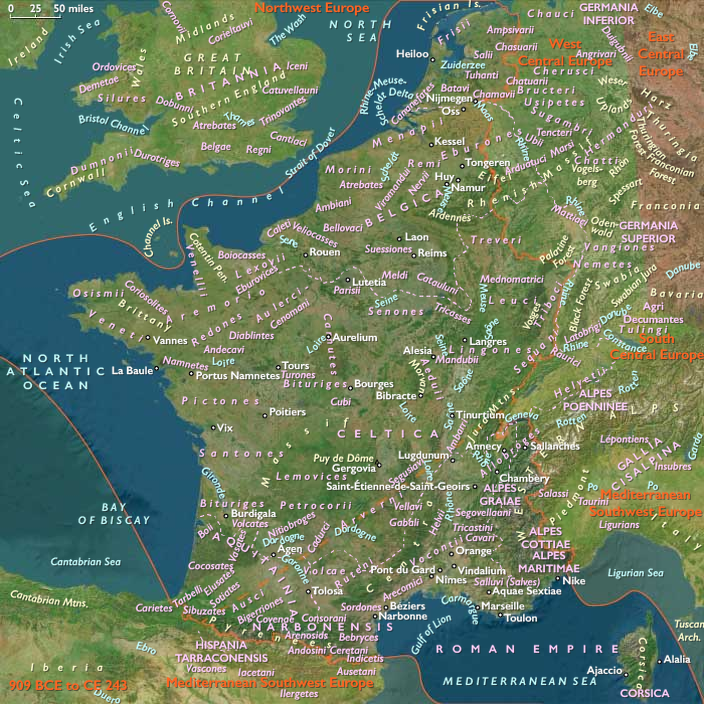
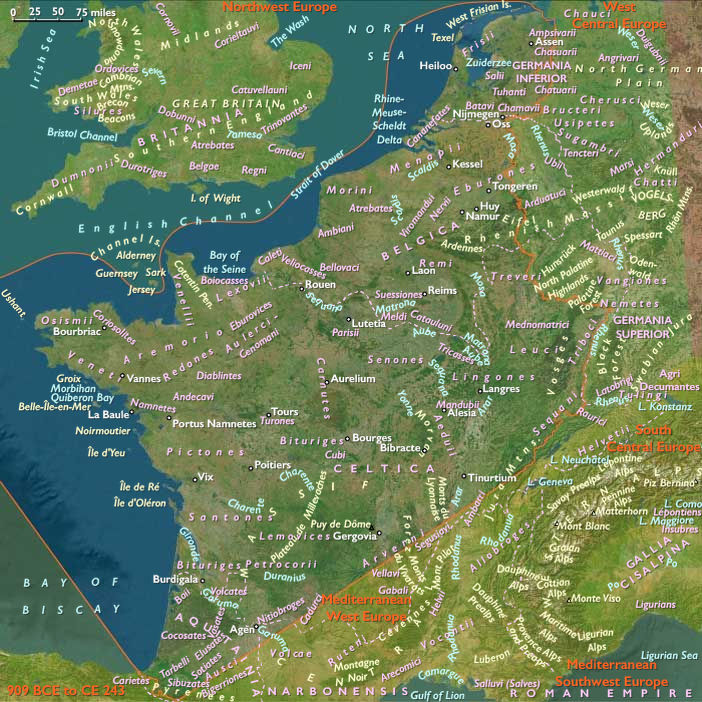
Following their victories at Noreia (113 BCE) and in Gallia Narbonensis (109 BCE), the Cimbri and their allied tribes continued their campaign of destruction in Roman territory. In 107 BCE, they clashed with another Roman army at Burdigala (modern Bordeaux), dealing the Republic another devastating defeat.
The Battle of Burdigala and the Death of Gaius Cassius Longinus Ravilla
- The Roman consul Gaius Cassius Longinus Ravilla led a military campaign against the Cimbri and their allies, seeking to halt their advances in southern Gaul.
- At Burdigala (modern Bordeaux), the Roman forces were decisively defeated, with Longinus himself killed in battle.
- This marked yet another catastrophic loss for Rome, demonstrating its inability to contain the Cimbrian threat.
Consequences of the Defeat
- The Roman Senate and military leadership were in crisis, as the Republic had now suffered three major defeats against the Cimbri and Teutons within just six years (113–107 BCE).
- The continued military failures in Gaul fueled panic in Rome, leading to calls for military reform and new leadership.
- The Cimbri, however, did not immediately invade Italy, instead continuing their movements through Gaul, searching for lands to settle.
Toward the Climax of the Cimbrian War
The Roman defeats at Noreia, Gallia Narbonensis, and Burdigala set the stage for one of the greatest military crises of the Roman Republic, eventually leading to the rise of Gaius Marius, who would later be tasked with defeating the Cimbri and their allies in a series of decisive battles (102–101 BCE).
The Cimbrian victories in Gaul reinforced their status as one of Rome’s most formidable adversaries, contributing to the political instability and military reforms that would shape the late Republic.
Locations
Groups
Topics
- Classical antiquity
- Pre-Roman Iron Age of Northern Europe
- Roman Age Optimum
- Roman Republic, Crisis of the
- Burdigala, Battle of
Commodoties
Subjects
Regions
Subregions
Related Events
Showing 10 events out of 62922 total
Years: 107BCE - 107BCE
Locations
Groups
Topics
- Classical antiquity
- Pre-Roman Iron Age of Northern Europe
- Roman Age Optimum
- Roman Republic, Crisis of the
- Burdigala, Battle of
Commodoties
Subjects
Regions
Subregions