
The Cibyrrhaeots ("men of Cibyrrha") derive their …
Years: 698 - 698
The Cibyrrhaeots ("men of Cibyrrha") derive their name from the city of Cibyrrha (it is unclear whether this is Cibyrrha the Great in Caria or Cibyrrha the Lesser in Pamphylia).
At this time, the Cibyrrhaeots are subordinate to the great naval corps of the Karabisianoi.
The command first appears in the expedition against Carthage in 698, when a Germanic naval officer from the region of Pamphylia, originally named Apsimaros, has risen to the position of droungarios of the Cibyrrhaeots.
He is attested as commanding the men from Korykos and has participated in the failed campaign of 698 to regain Carthage.
As admiral John the Patrician retreats from Carthage to Crete, the fleet rebels, deposes and murders their commander, and chooses Apsimaros as his replacement.
Changing his name to Tiberios, Apsimaros sails on Constantinople, which is suffering from a plague, and proceeds to besiege it.
His revolution attracts the support of the Green faction, as well as detachments from the field army and the imperial guard, and officers loyal to him open the gates of the city and proclaim him emperor, after which his troops proceed to pillage the city.
When he is firmly established on the throne, he commands that the nose of deposed Emperor Leontius be cut off, and orders him to enter the monastery of Psamathion.
Locations
People
Groups
- Arab people
- Chariot racing factions, Roman
- Slavs, South
- Africa, or Carthage, Exarchate of
- Roman Empire, Eastern: Heraclian dynasty
- Armeniac Theme
- Karabisianoi (maritime theme)
- Armenia, Ostikanate of
- Umayyad Caliphate (Damascus)
- Bulgarian Empire (First)
Topics
- Migration Period
- Famines and plagues 400 to 800
- Migration Period Pessimum
- Byzantine Papacy
- Arab-Byzantine Wars
- Muslim conquest of the Maghreb
- Byzantine-Bulgarian Wars
- Byzantine-Muslim War of 692-718
Commodoties
Subjects
- Commerce
- Watercraft
- Environment
- Labor and Service
- Conflict
- Mayhem
- Faith
- Government
- Custom and Law
- Technology
- Movements
Regions
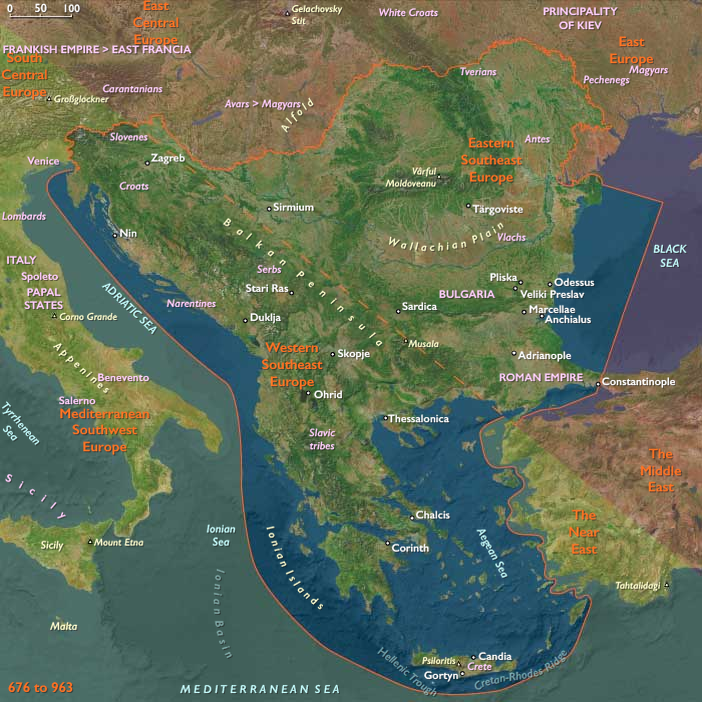
Subregions
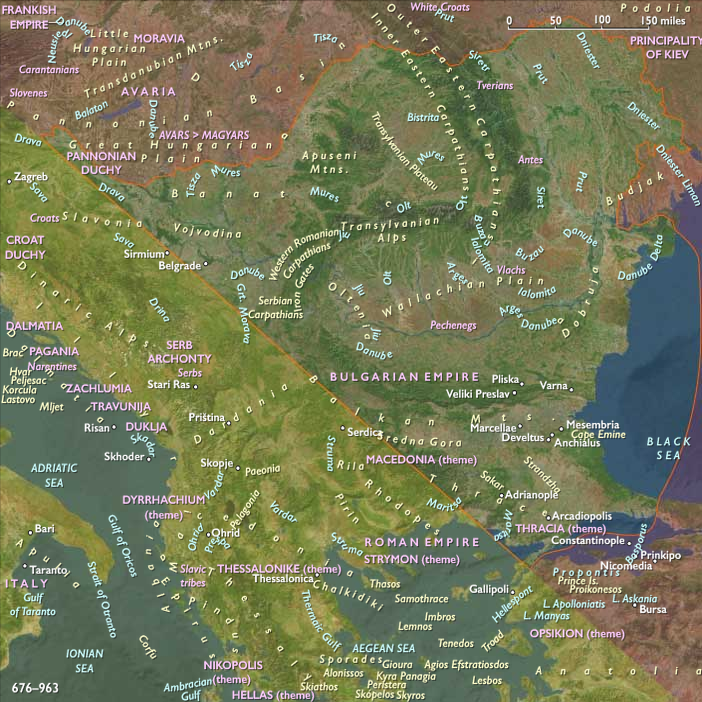
Related Events
Showing 10 events out of 55901 total
Years: 698 - 698
Locations
People
Groups
- Arab people
- Chariot racing factions, Roman
- Slavs, South
- Africa, or Carthage, Exarchate of
- Roman Empire, Eastern: Heraclian dynasty
- Armeniac Theme
- Karabisianoi (maritime theme)
- Armenia, Ostikanate of
- Umayyad Caliphate (Damascus)
- Bulgarian Empire (First)
Topics
- Migration Period
- Famines and plagues 400 to 800
- Migration Period Pessimum
- Byzantine Papacy
- Arab-Byzantine Wars
- Muslim conquest of the Maghreb
- Byzantine-Bulgarian Wars
- Byzantine-Muslim War of 692-718
Commodoties
Subjects
- Commerce
- Watercraft
- Environment
- Labor and Service
- Conflict
- Mayhem
- Faith
- Government
- Custom and Law
- Technology
- Movements
Regions
Subregions