
The Artistic Revolution of the International Renaissance …
Years: 1396 - 1539
The Artistic Revolution of the International Renaissance
The International Renaissance was a period of unprecedented artistic innovation, fueled by scientific advancements in anatomy, optics, and perspective. Artists sought a new realism, emphasizing proportion, harmony, and the resolution of complex and conflicting elements. This movement was not confined to Italy but spanned across Europe and beyond, influencing Flemish, Byzantine, and Chinese art traditions.
I. The Italian Renaissance: Masters of Proportion and Perspective
Italy was the epicenter of Renaissance art, producing visionary painters, sculptors, and architects who redefined artistic expression:
- Fra Angelico – A Dominican friar who blended spiritual devotion with Renaissance realism, best known for his frescoes at the Convent of San Marco in Florence.
- Jacopo de' Barbari – One of the first Italian artists to experiment with engraving, blending Venetian and Northern Renaissance influences.
- Sandro Botticelli – Known for his mythological masterpieces, including The Birth of Venus and Primavera, where elegance and fluidity of line define his style.
- Leonardo da Vinci – A polymath who mastered anatomy, light, and shadow, producing iconic works like Mona Lisa and The Last Supper.
- Fra Filippo Lippi – A master of delicate expressions and graceful figures, influencing later Florentine painters.
- Masaccio – The first painter to use scientific perspective in frescoes, revolutionizing spatial depth in painting.
- Piero della Francesca – Famous for his mathematical approach to perspective, exemplified in The Flagellation of Christ.
- Piero and Antonio del Pollaiuolo – Masters of anatomical accuracy and dynamic movement, pioneering the study of the human body in action.
- Luca Signorelli – Created some of the most vivid and muscular human forms, particularly in his frescoes in Orvieto Cathedral.
- Andrea del Verrocchio – Teacher of Leonardo da Vinci, known for his sculptures and refined painting techniques.
II. The Flemish Renaissance: Masters of Light and Detail
The Flemish Renaissance artists focused on realism, meticulous detail, and mastery of oil painting, influencing later European art:
- Hieronymus Bosch – Created surreal, dreamlike imagery with complex allegories and moral narratives, seen in The Garden of Earthly Delights.
- Hugo van der Goes – Renowned for his expressive emotion and intense realism, particularly in The Portinari Altarpiece.
- Hans Memling – Specialized in portraits and religious compositions, combining graceful figures with luminous color.
- Jan and Hubert van Eyck – Innovators of oil painting, with Jan's Arnolfini Portrait demonstrating unmatched precision and use of light.
- Rogier van der Weyden – Master of pathos and human expression, particularly in The Descent from the Cross.
- Michael Wolgemut – A leading German painter and printmaker, influential as the teacher of Albrecht Dürer.
III. The Byzantine and Chinese Renaissance Masters
- Theophanes the Greek (Byzantium) – The most famous Byzantine painter of the period, known for his dynamic, expressive figures and influence on early Russian iconography.
- Shen Zhou and Wen Zhengming (China) – Masters of the Wu School, blending traditional Chinese landscape painting with poetic expression, emphasizing personal expression over strict realism.
IV. Bridging the Early and High Renaissance: Dürer and Michelangelo
- Albrecht Dürer (Germany) – Bridged Gothic tradition and Renaissance humanism, mastering woodcuts, engravings, and scientific perspective in works like Melencolia I.
- Michelangelo Buonarroti (Italy) – His career spanned the transition from the Early to High Renaissance, creating sculptures, paintings, and architectural marvels, such as the Sistine Chapel frescoes and David.
V. The Legacy of the Renaissance Masters
The International Renaissance was an era of unparalleled artistic achievement, shaped by scientific inquiry, humanistic ideals, and cross-cultural influences. Through innovations in light, color, and perspective, artists redefined realism and transformed the visual world, leaving a legacy that continues to inspire modern art.
People
- Albrecht Dürer
- Andrea del Verrocchio
- Antonio del Pollaiuolo
- Filippino Lippi
- Fra Angelico
- Hans Memling
- Hieronymus Bosch
- Hugo van der Goes
- Jacopo de' Barbari
- Jan van Eyck
- Leonardo da Vinci
- Luca Signorelli
- Masaccio
- Michael Wolgemut
- Michelangelo Buonarroti
- Piero del Pollaiuolo
- Piero della Francesca
- Rogier van der Weyden
- Sandro Botticelli
- Shen Zhou
- Theophanes the Greek
Topics
- Renaissance, Italian
- Western Art: 1396 to 1408
- Portraits, Renaissance
- Western Art: 1408 to 1420
- Western Art: 1420 to 1432
- Renaissance, German
- Western Art: 1432 to 1444
- Western Art: 1444 to 1456
- Renaissance, Northern
- Western Art: 1456 to 1468
- Western Art: 1468 to 1480
- Western Art: 1480 to 1492
- Western Art: 1492 to 1506
- Renaissance in the Low Countries
- Renaissance, French
- Western Art: 1504 to 1516
- Western Art: 1516 to 1528
- Western Art: 1528 to 1540
Commodoties
Subjects
Regions

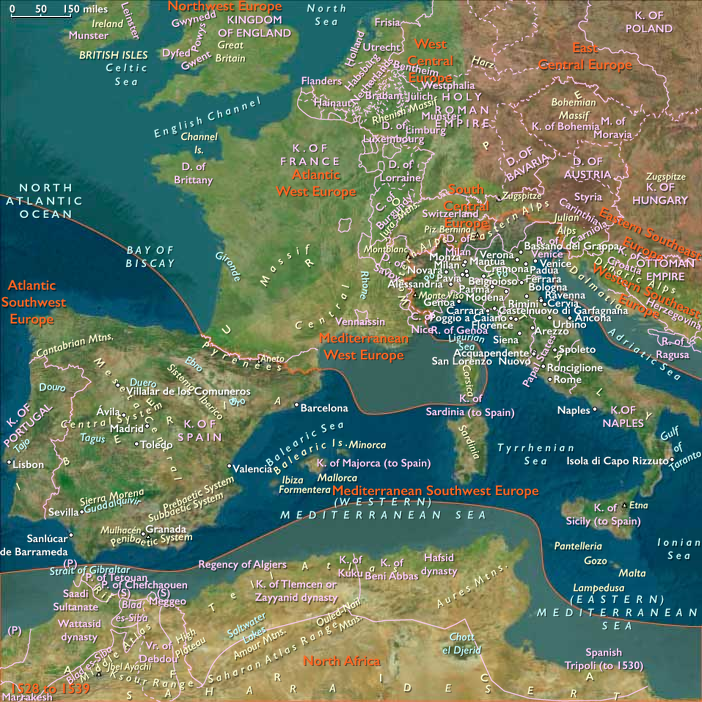
Subregions
- Maritime East Asia
- East Central Europe
- Eastern Southeast Europe
- South Central Europe
- Mediterranean West Europe
- Mediterranean Southwest Europe
- Atlantic West Europe
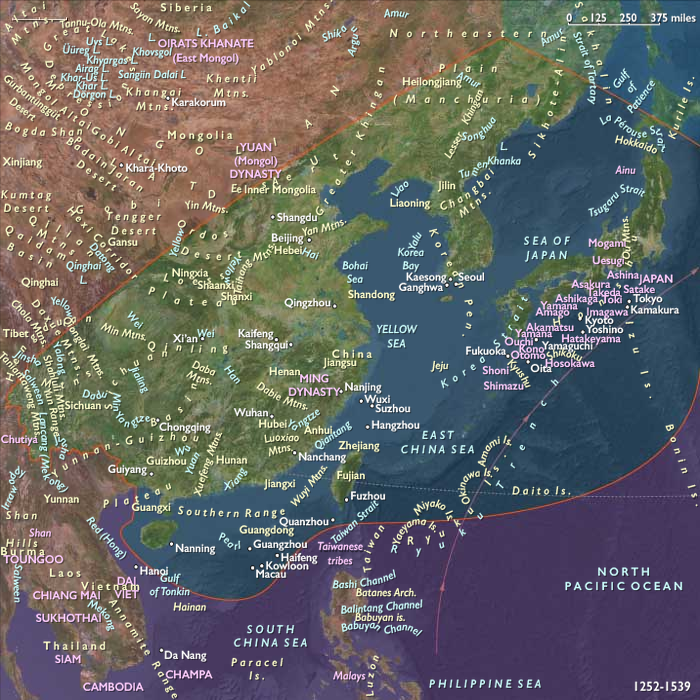

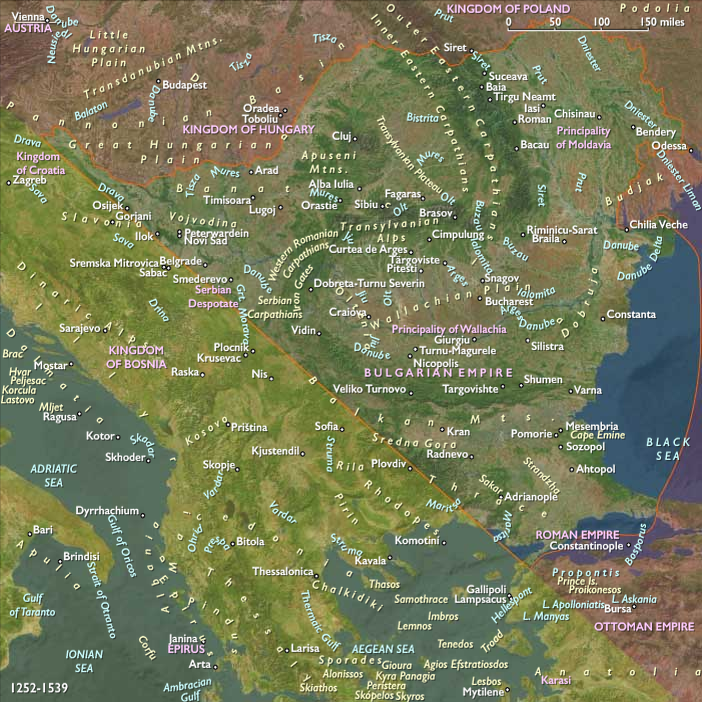

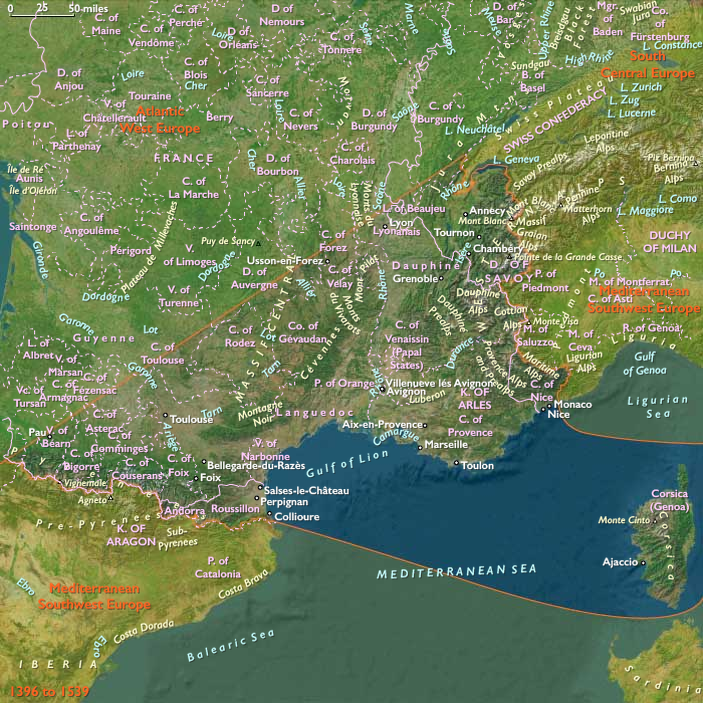
Years: 1396 - 1539
People
- Albrecht Dürer
- Andrea del Verrocchio
- Antonio del Pollaiuolo
- Filippino Lippi
- Fra Angelico
- Hans Memling
- Hieronymus Bosch
- Hugo van der Goes
- Jacopo de' Barbari
- Jan van Eyck
- Leonardo da Vinci
- Luca Signorelli
- Masaccio
- Michael Wolgemut
- Michelangelo Buonarroti
- Piero del Pollaiuolo
- Piero della Francesca
- Rogier van der Weyden
- Sandro Botticelli
- Shen Zhou
- Theophanes the Greek
Topics
- Renaissance, Italian
- Western Art: 1396 to 1408
- Portraits, Renaissance
- Western Art: 1408 to 1420
- Western Art: 1420 to 1432
- Renaissance, German
- Western Art: 1432 to 1444
- Western Art: 1444 to 1456
- Renaissance, Northern
- Western Art: 1456 to 1468
- Western Art: 1468 to 1480
- Western Art: 1480 to 1492
- Western Art: 1492 to 1506
- Renaissance in the Low Countries
- Renaissance, French
- Western Art: 1504 to 1516
- Western Art: 1516 to 1528
- Western Art: 1528 to 1540
Commodoties
Subjects
Regions
Subregions
- Maritime East Asia
- East Central Europe
- Eastern Southeast Europe
- South Central Europe
- Mediterranean West Europe
- Mediterranean Southwest Europe
- Atlantic West Europe