
Filters:
The Fall of Edessa and the Call …
Years: 1144 - 1155
The Fall of Edessa and the Call for the Second Crusade (1144–1145 CE)
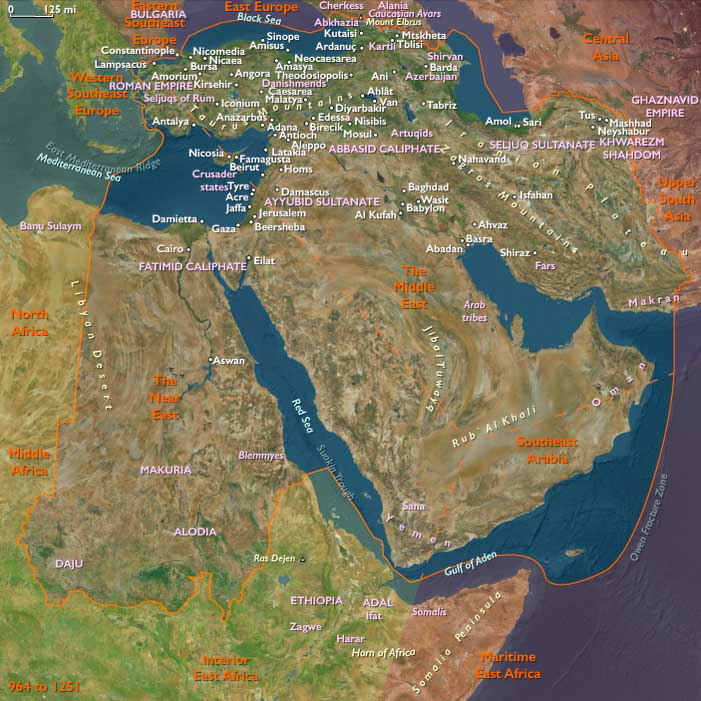
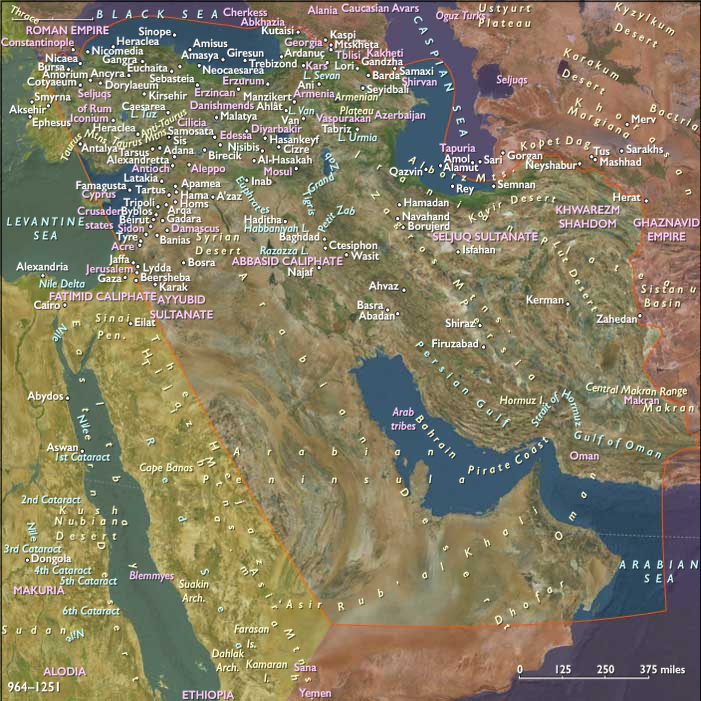
The County of Edessa, the first of the Crusader states established during the First Crusade (1095–1099), became the first to fall, marking a turning point in the Crusades. Its loss in 1144 led to the launch of the Second Crusade in 1145, the first Crusade to be led by European kings.
The Fall of Edessa (1144 CE)
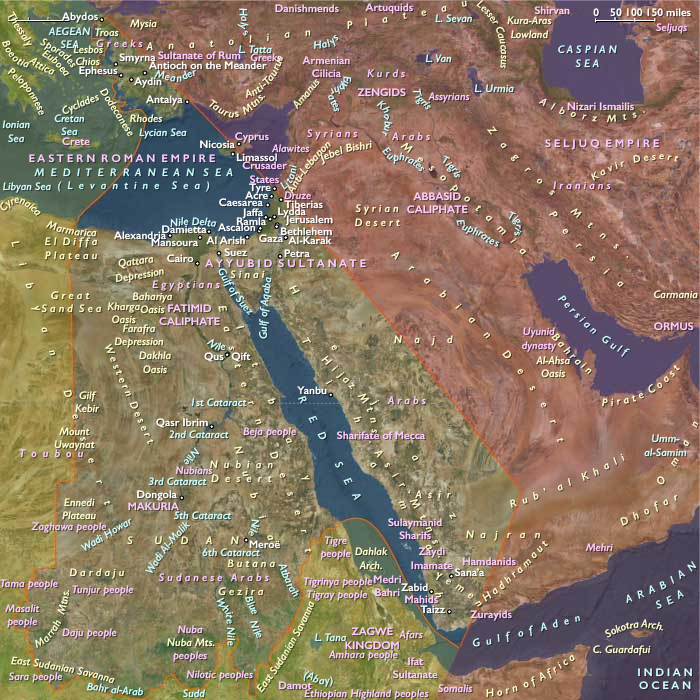
- Edessa had been one of the most vulnerable Crusader states, as it was located deep in Muslim-controlled territory, far from the more defensible coastal Crusader states.
- The county was ruled by Joscelin II of Edessa, who proved unable to defend it effectively.
- In December 1144, Zengi, Atabeg of Mosul and Aleppo, launched a major assault on Edessa, taking advantage of internal Crusader weaknesses.
- The city fell after a brutal siege, with thousands of Christians slaughtered or enslaved, causing shockwaves throughout Christendom.
The Call for the Second Crusade (1145 CE)
- In response to the fall of Edessa, Pope Eugene III issued the papal bull Quantum praedecessores in 1145, calling for a new crusade to recover lost territory.
- This marked the first Crusade to be led by European kings, signifying a shift from noble-led expeditions to fully sanctioned royal campaigns.
- The primary leaders of the Second Crusade were:
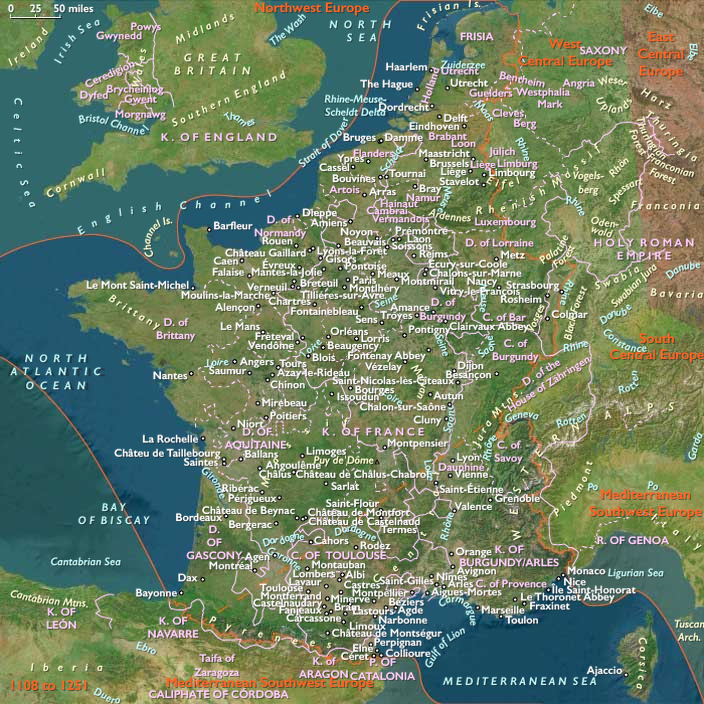
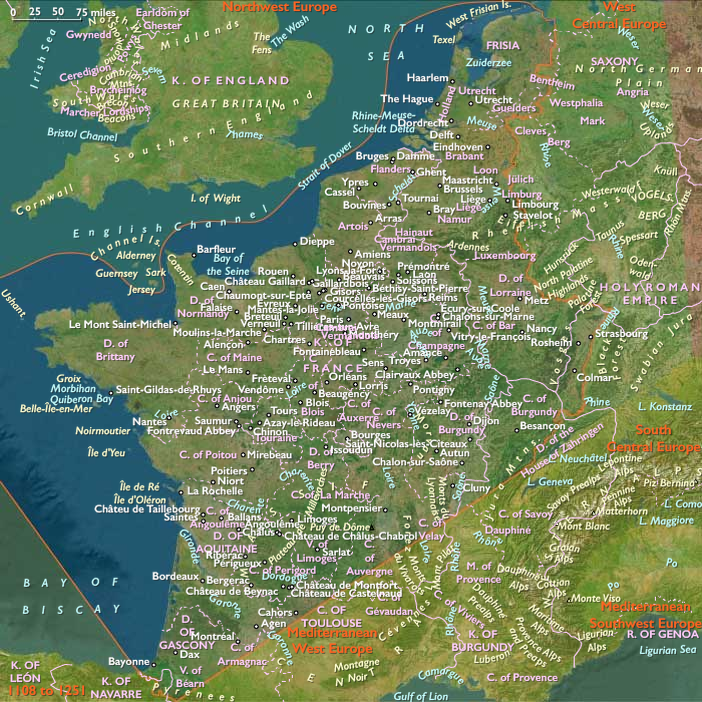
- King Louis VII of France, seeking both penance for the burning of Vitry-le-François and an opportunity to secure his realm’s religious legitimacy.
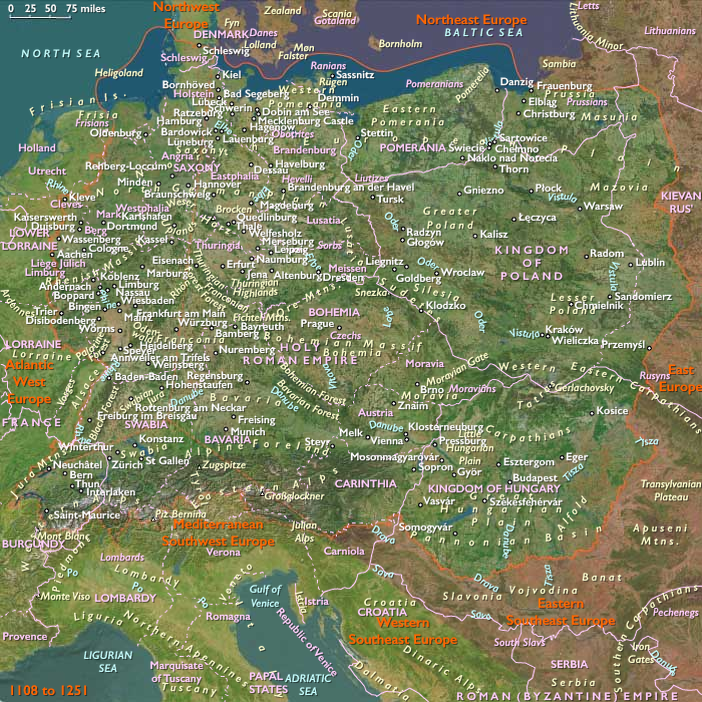
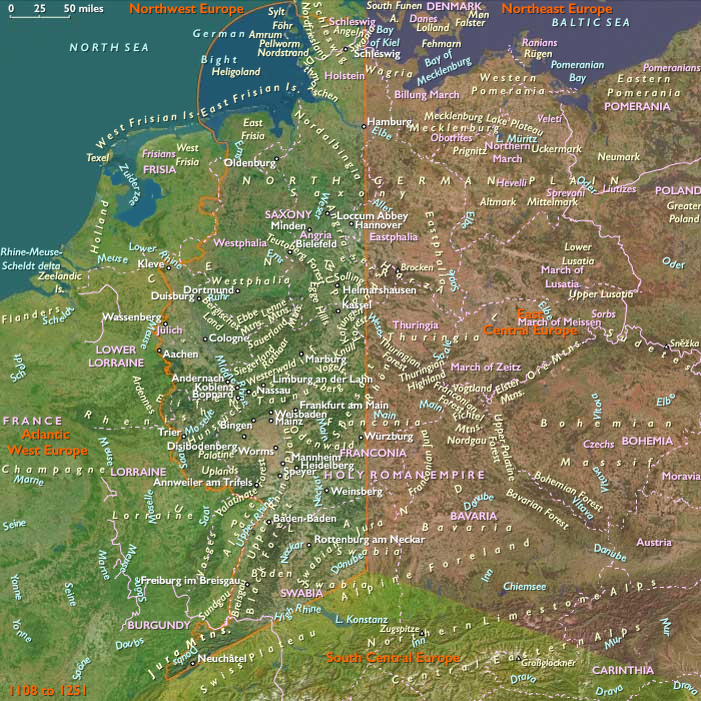
- King Conrad III of Germany, leader of the Holy Roman Empire, who took the cross despite internal struggles in Germany.
- A number of other important European nobles also joined, including Eleanor of Aquitaine, who accompanied Louis VII, and Frederick Barbarossa, Conrad’s nephew, who would later become Holy Roman Emperor.
Significance of the Second Crusade
- The Second Crusade was the first large-scale Crusade led by monarchs, establishing royal participation in the Holy Wars.
- It marked the beginning of increased coordination between different European powers in Crusader efforts.
- However, the loss of Edessa foreshadowed the gradual decline of Crusader control in the East, as Muslim forces, particularly Zengi’s successors, became more unified and militarily aggressive.
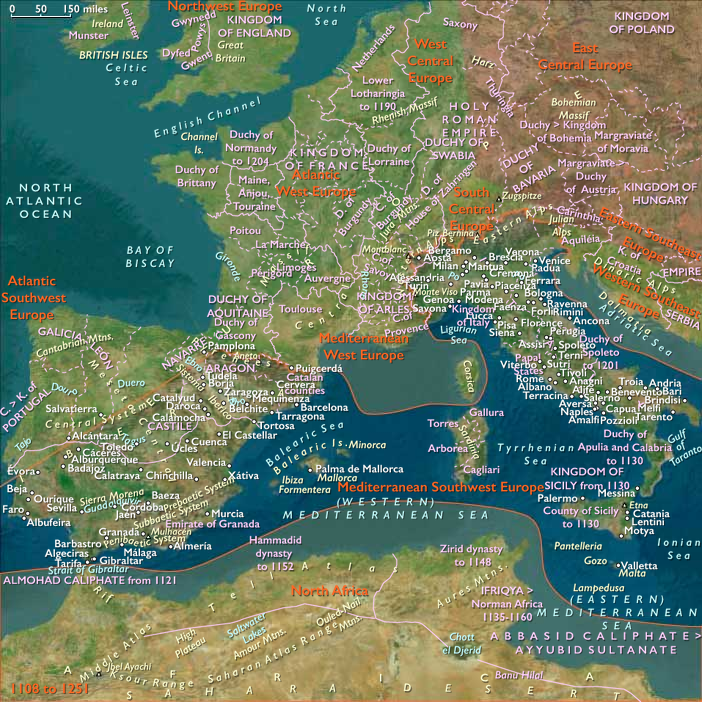
Though motivated by the fall of Edessa, the Second Crusade would expand beyond the Holy Land, influencing conflicts in both Iberia and the Baltic, shaping the broader medieval Crusading movement.
People
Groups
- Flemish people
- German, or Ottonian (Roman) Empire
- French people (Latins)
- France, (Capetian) Kingdom of
- Christians, Roman Catholic
- Edessa, County of
- Jerusalem, Latin Kingdom of
Topics
- Reconquista, the
- Crusades, The
- Western Architecture: 1108 to 1252
- Renaissance of the Twelfth Century
- Crusade, Second
Subjects
Regions
Subregions
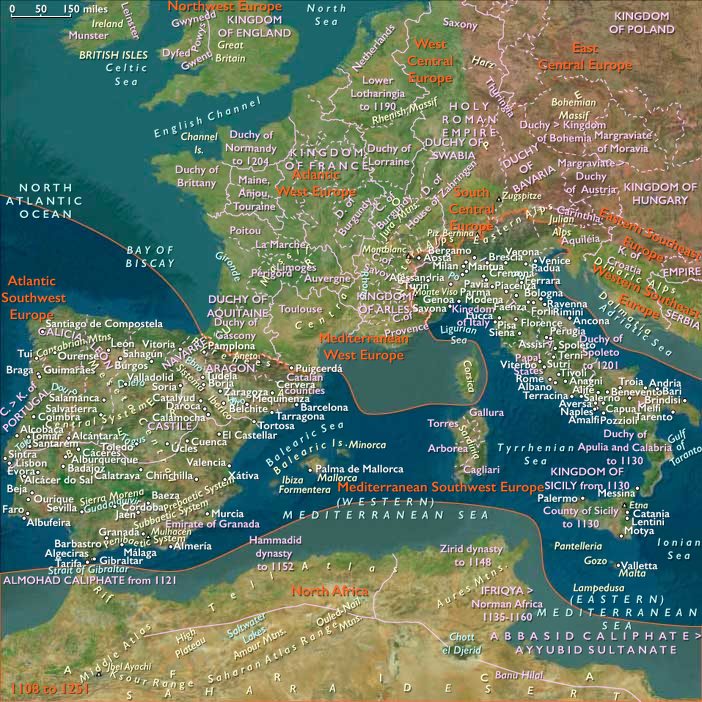
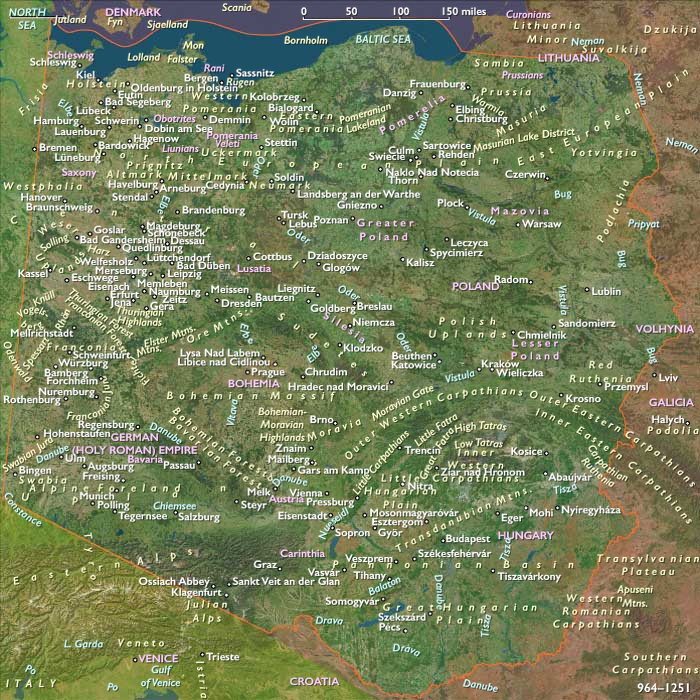
- East Central Europe
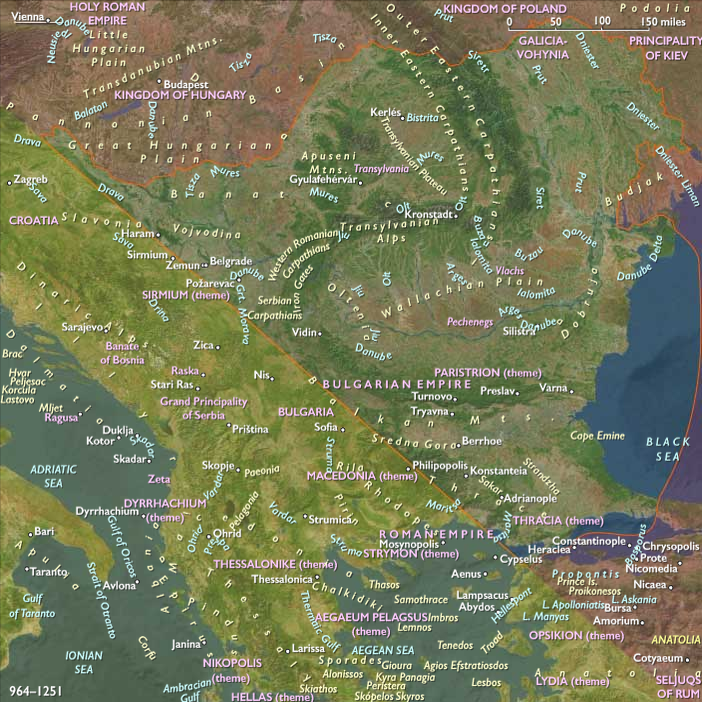
- Eastern Southeast Europe
- Middle East
- Near East
- South Central Europe
- Mediterranean West Europe
- Mediterranean Southwest Europe
- Atlantic West Europe
- West Central Europe
Related Events
Showing 1 events out of 1 total
Years: 1144 - 1155
People
Groups
- Flemish people
- German, or Ottonian (Roman) Empire
- French people (Latins)
- France, (Capetian) Kingdom of
- Christians, Roman Catholic
- Edessa, County of
- Jerusalem, Latin Kingdom of
Topics
- Reconquista, the
- Crusades, The
- Western Architecture: 1108 to 1252
- Renaissance of the Twelfth Century
- Crusade, Second
Subjects
Regions
Subregions
- East Central Europe
- Eastern Southeast Europe
- Middle East
- Near East
- South Central Europe
- Mediterranean West Europe
- Mediterranean Southwest Europe
- Atlantic West Europe
- West Central Europe