
The celebrated Norse warrior Harald Hardrada, the …
Years: 1046 - 1046
The celebrated Norse warrior Harald Hardrada, the half brother of Norway’s King Olaf II, for whom he had fought at the Battle of Stiklestad, had initially served as a mercenary under Yaroslav, grand duke of Kiev, whose daughter Elisiv he has married.
It is possible that the marriage with Elisiv had been agreed to already during Harald's first time in Rus', or that they at least had been acquainted.
During his service in the elite Varangian Guard of Emperor Michael IV in Constantinople, Harald had composed a love poem which included the verse "Yet the goddess in Russia/ will not accept my gold rings" (whom Snorri Sturluson identifies with Elisiv), although Morkinskinna claims that Harald had to remind Yaroslav of the promised marriage when he returned to Kiev.
According to the same source, Harald had spoken with Yaroslav during his first time in Rus', requesting to marry Elisiv, only to be rejected because he was not yet wealthy enough.
It is in any case significant that Harald had been allowed to marry the daughter of Yaroslav, since his other children are married to figures such as Henry I of France, Andrew I of Hungary and the daughter of Constantine IX.
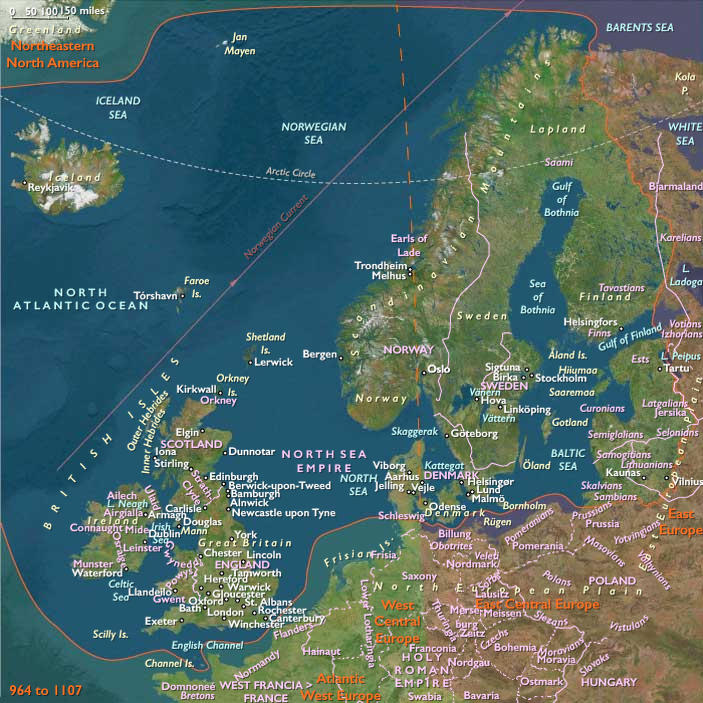
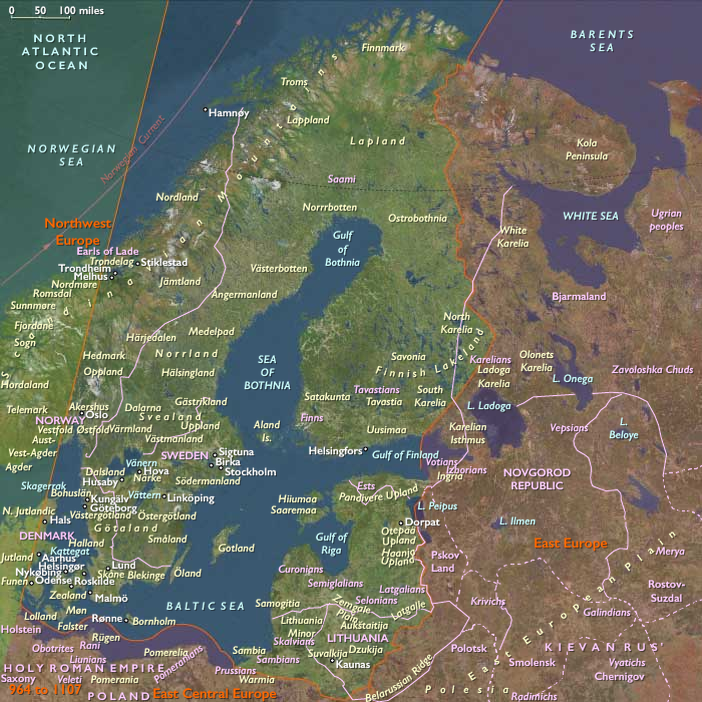
Seeking to regain for himself the kingdom lost by his half-brother Olaf Haraldsson, Harald had begun his journey westwards in early 1045, departing from Novgorod (Holmgard) to Staraya Ladoga (Aldeigjuborg) where he obtained a ship.
His journey had gone through Lake Ladoga, down the Neva River, and then into the Gulf of Finland and the Baltic Sea.
He arrives in Sigtuna in Sweden, probably at the end of 1045 or in early 1046.
When he arrives in Sweden, according to the skald Tjodolv Arnorsson, his ship is unbalanced by its heavy load of gold.
In Harald's absence, the throne of Norway had been restored to Magnus the Good, an illegitimate son of Olaf.
Harald may actually have known this, and it could have been the reason why Harald wanted to return to Norway in the first place.
Since Cnut the Great's sons had chosen to abandon Norway and instead fight over England, and his sons and successors Harold Harefoot and Harthacnut had died young, Magnus's position as king had been secured.
No domestic threats or insurrections are recorded to have occurred during his eleven-year reign.
After the death of Harthacnut, which had left the Danish throne vacant, Magnus had in addition been selected to be the king of Denmark, and had managed to defeat the Danish royal pretender Sweyn Estridsson.
Locations
People
- Andrew I of Hungary
- Anund Jacob
- Constantine IX Monomachos
- Harald Hardrada
- Henry I of France
- Magnus the Good
- Sweyn II of Denmark
- Yaroslav I
Groups
- Greeks, Medieval (Byzantines)
- Denmark, Kingdom of
- Vikings
- Danes (Scandinavians)
- Norse
- Novgorod, Principality of
- Roman Empire, Eastern: Macedonian dynasty
- Kievan Rus', or Kiev, Great Principality of
- Sweden, Kingdom of
- Norway, independent Kingdom of
Commodoties
Subjects
Regions
Subregions
Years: 1046 - 1046
Locations
People
- Andrew I of Hungary
- Anund Jacob
- Constantine IX Monomachos
- Harald Hardrada
- Henry I of France
- Magnus the Good
- Sweyn II of Denmark
- Yaroslav I
Groups
- Greeks, Medieval (Byzantines)
- Denmark, Kingdom of
- Vikings
- Danes (Scandinavians)
- Norse
- Novgorod, Principality of
- Roman Empire, Eastern: Macedonian dynasty
- Kievan Rus', or Kiev, Great Principality of
- Sweden, Kingdom of
- Norway, independent Kingdom of
Commodoties
Subjects
Regions
Subregions