The Woolly Rhinoceros: A Survivor of the …
Years: 14733BCE - 13006BCE
The Woolly Rhinoceros: A Survivor of the Ice Age
The woolly rhinoceros (Coelodonta antiquitatis), a dominant species across Europe and Asia during the Pleistocene epoch, was one of the last and most specialized members of the Pleistocene rhinoceros lineage. It thrived throughout the last glacial period, adapted to the frigid landscapes of the steppe-tundra biome that spanned the Palearctic ecozone.
Anatomy and Adaptations
- The woolly rhinoceros maintained a conservative body plan, similar to the earliest rhinoceroses from the late Eocene, while evolving specific adaptations to cold climates.
- Stocky limbs and thick, woolly fur helped it survive the harsh steppe-tundra conditions.
- Size and Build:
- Length: 3 to 3.8 meters (10 to 12.5 feet)
- Weight: 2 to 3 tons on average
- Height: Up to 2 meters (6.5 feet) at the shoulder
- Horns and Skull:
- Two keratin-based horns, with the larger anterior horn measuring up to 2 feet.
- A smaller horn positioned between the eyes.
- Other Features:
- Small ears, short, thick legs, and a robust, stocky body.
- Cave paintings suggest some individuals may have had a dark band across their midsection, though this is not universal.
Fossil Evidence and Artistic Depictions
The external appearance of the woolly rhinoceros is known from:
- Frozen mummified remains recovered from Siberia, providing detailed anatomical information.
- Cave paintings created by early humans, though some depictions remain uncertain in terms of species identification.
Extinction and Discovery of a Complete Specimen
- The woolly rhinoceros went extinct around the end of the Pleistocene, likely due to a combination of climate change and human hunting pressure.
- Until the 20th century, its physical form was known only from prehistoric cave drawings.
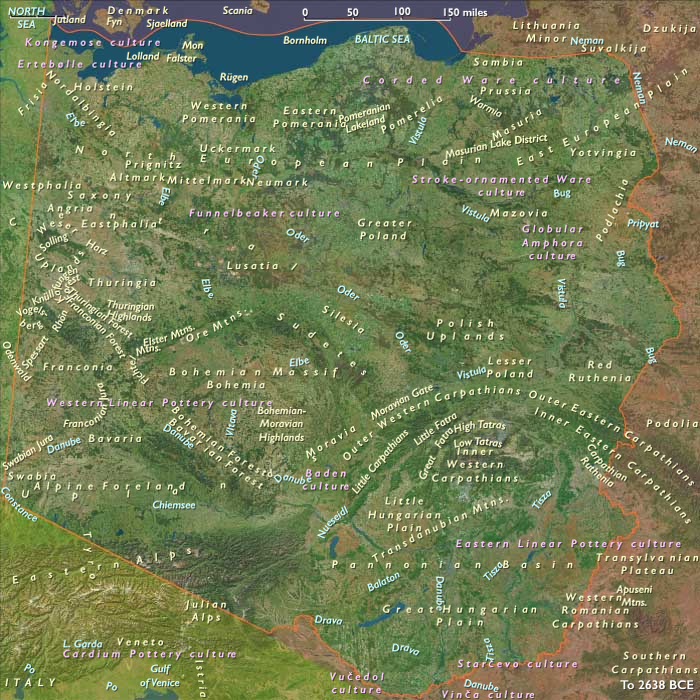
- In a remarkable discovery, a completely preserved specimen (missing only fur and hooves) was found in a tar pit in Starunia, Poland.
- This specimen, an adult female, is now housed at the Polish Academy of Sciences' Museum of Natural History in Kraków, offering an invaluable glimpse into the anatomy and preservation of this Ice Age giant.
The woolly rhinoceros remains one of the most iconic Ice Age mammals, demonstrating how megafaunal species adapted to glacial conditions before ultimately succumbing to environmental and ecological pressures.
Related Events
Showing 10 events out of 69421 total
Years: 14733BCE - 13006BCE
Topics
Subjects
Regions
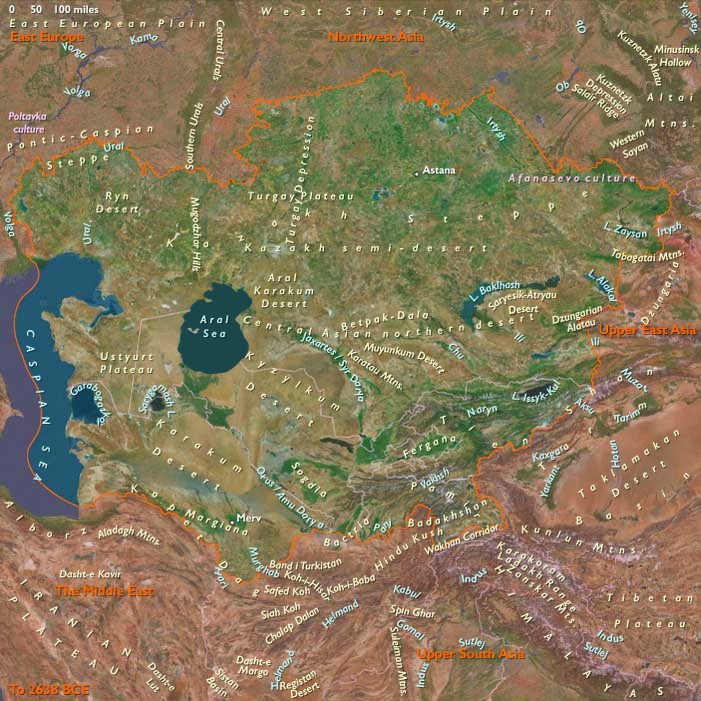





Subregions
- Central Asia
- Northwest Asia
- East Europe
- East Central Europe
- Eastern Southeast Europe
- Middle East
- Upper South Asia
- Near East
- South Central Europe
- Mediterranean West Europe
- Mediterranean Southwest Europe
- North Africa
- Atlantic West Europe