
The Increasing Ornateness of Ecclesiastical Architecture: The …
Years: 1180 - 1191
The Increasing Ornateness of Ecclesiastical Architecture: The Rebuilding of Pontigny Abbey (1186 CE)
By the late 12th century, ecclesiastical architecture was becoming more elaborate, both inside and out, as many churches were rebuilt and redecorated in the emerging Gothic style. Even orders that had originally embraced austere simplicity, such as the Cistercians, began to adopt grander architectural designs.
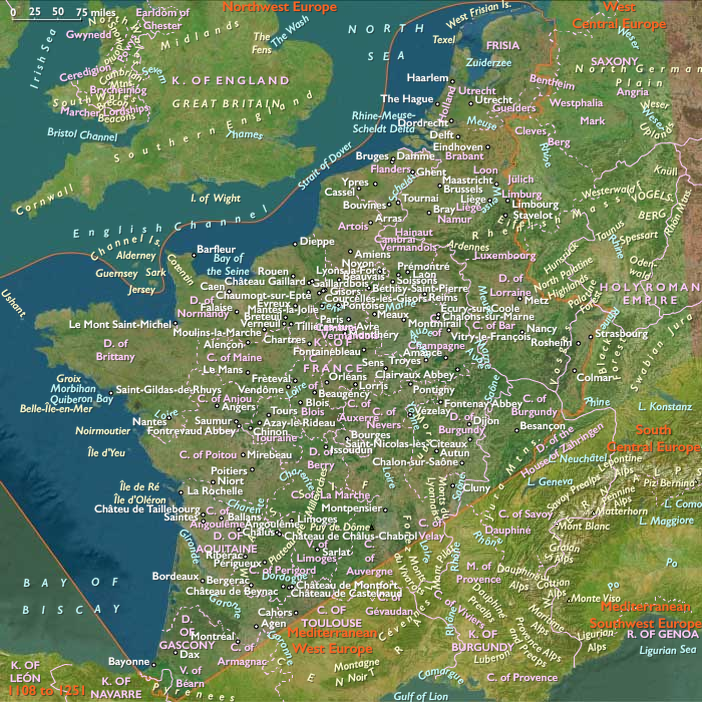
A prime example of this shift is the rebuilding of the Cistercian abbey church of Pontigny in 1186, where a magnificent Gothic east end (chevet) with radiating chapels was constructed—a clear departure from the architectural restraint championed by Bernard of Clairvaux.
Pontigny Abbey: From Cistercian Simplicity to Gothic Grandeur
- Pontigny Abbey, founded in 1114, was the second Cistercian monastery ever established and had initially followed the order’s strict architectural austerity.
- However, by 1186, the abbey underwent significant reconstruction, reflecting the evolving tastes and growing wealth of the order.
- The new east end (chevet) featured:
- Radiating chapels, a major Gothic innovation, replacing the simpler Cistercian flat-ended or square apses.
- Greater verticality and light, achieved through taller, pointed arches and expanded clerestory windows.
- More decorative stonework, signaling a loosening of early Cistercian architectural restrictions.
The Evolution of Cistercian Architecture
- Saint Bernard of Clairvaux had once strictly opposed excessive ornamentation, favoring bare stone walls, plain capitals, and simple forms.
- However, by the late 12th century, many Cistercian abbeys grew wealthier and began incorporating elements of Gothic architecture.
- Pontigny’s transformation mirrored broader changes across Cistercian Europe, where pragmatism and artistic influence overcame early monastic austerity.
Impact and Significance
- Pontigny’s rebuilt chevet set a precedent for later Cistercian Gothic architecture, balancing elegance with spiritual contemplation.
- It illustrated the declining influence of early Cistercian strictness as the order became more integrated into broader Church and political life.
- The move toward ornate architecture was part of a wider transition from Romanesque restraint to High Gothic splendor, marking a shift in medieval monastic aesthetics.
Though rooted in Cistercian tradition, Pontigny Abbey’s 1186 reconstruction was a clear sign that the once-reformed order was embracing a more elaborate architectural vision, reflecting the growing grandeur of 12th-century ecclesiastical buildings.
Groups
Subjects
Regions
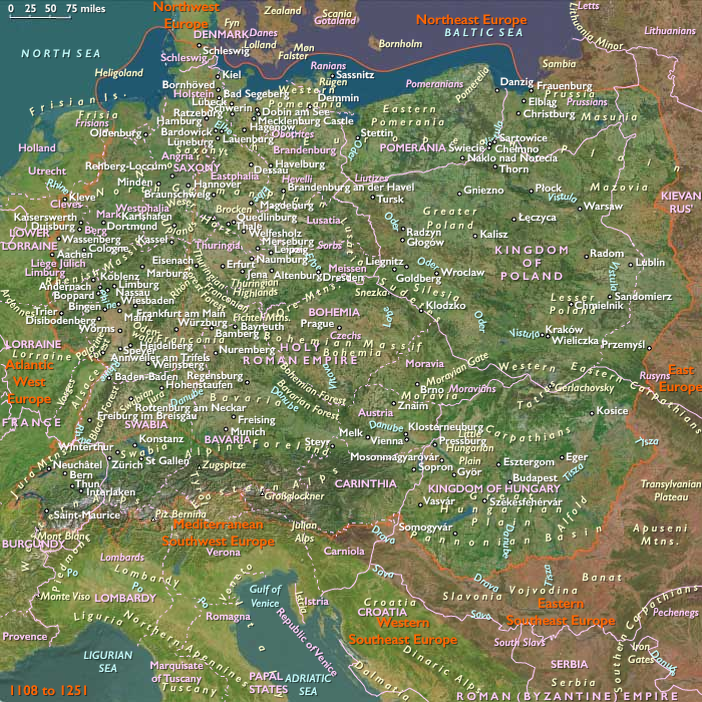
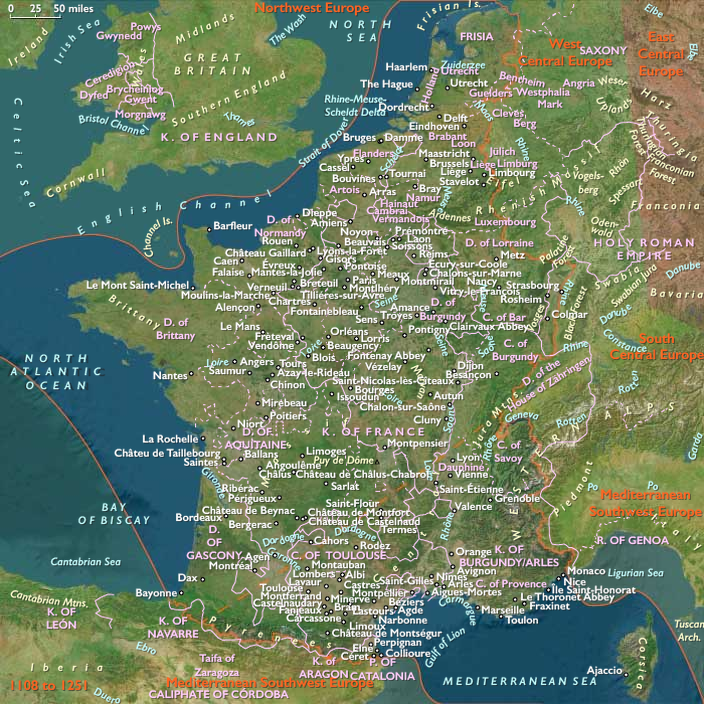
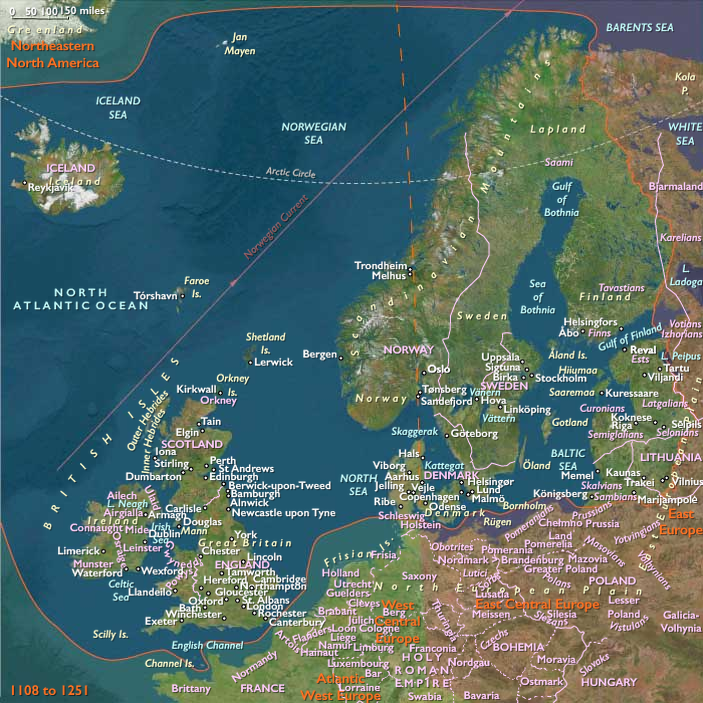
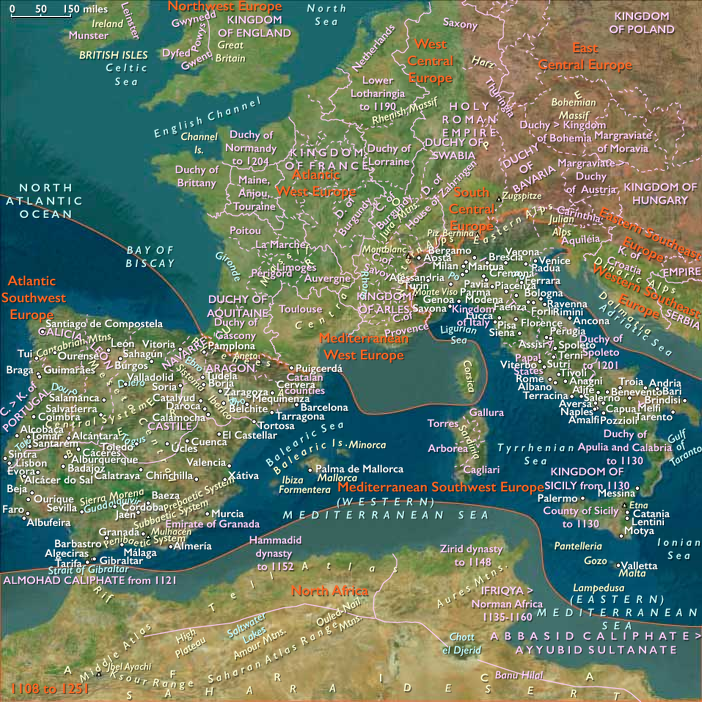
Subregions
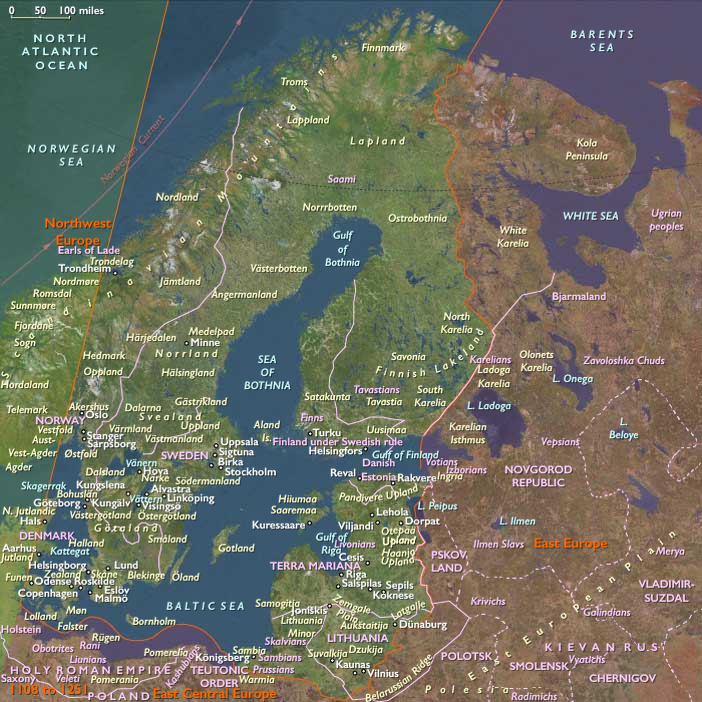
- Northeast Europe
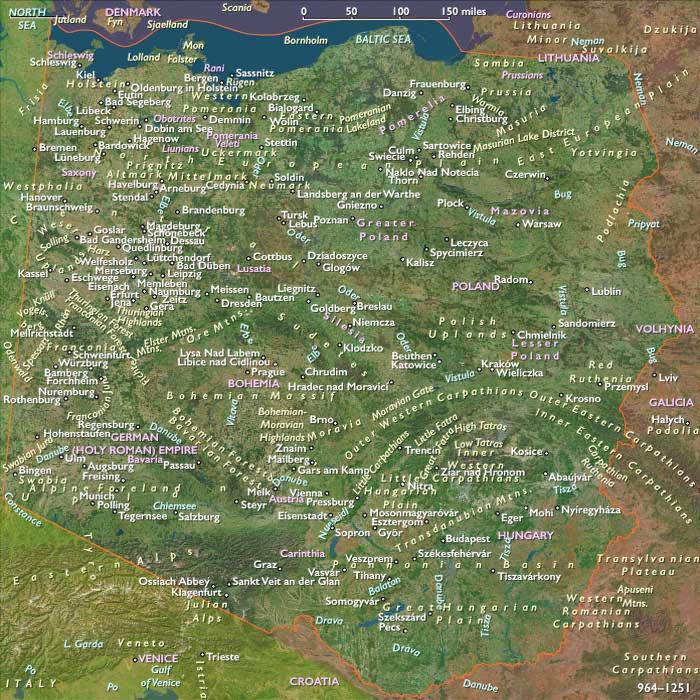
- East Central Europe
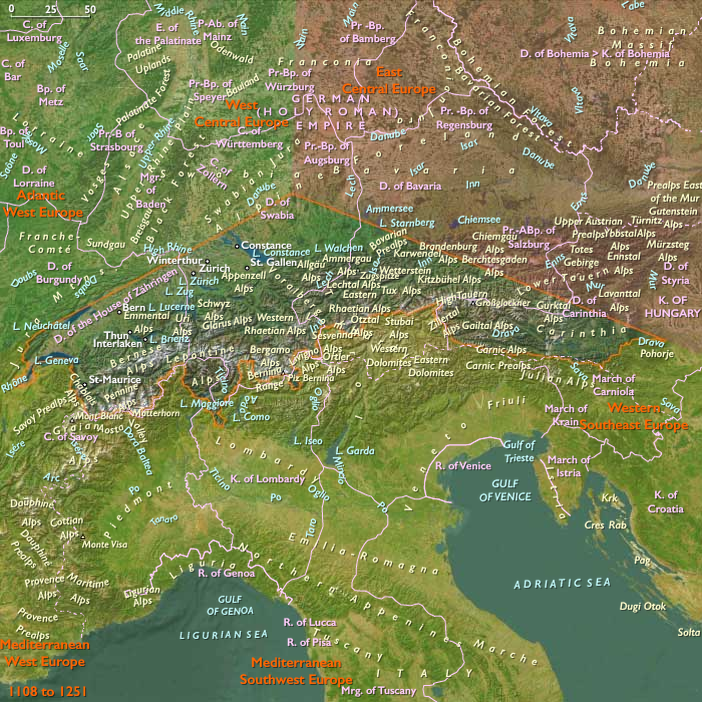
- South Central Europe
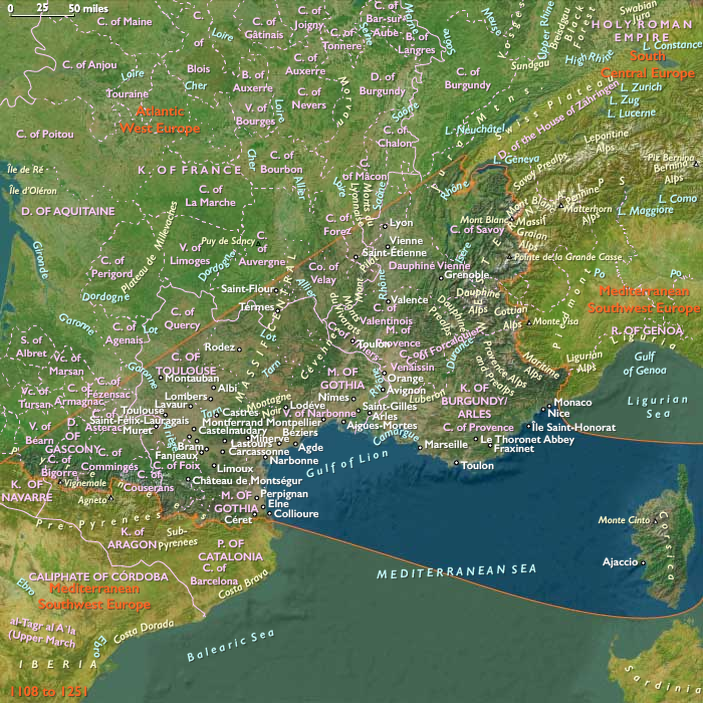
- Mediterranean West Europe
- Mediterranean Southwest Europe
- Atlantic West Europe
- West Central Europe
- Northwest Europe
Related Events
Showing 10 events out of 48192 total
Years: 1180 - 1191
Groups
Subjects
Regions
Subregions
- Northeast Europe
- East Central Europe
- South Central Europe
- Mediterranean West Europe
- Mediterranean Southwest Europe
- Atlantic West Europe
- West Central Europe
- Northwest Europe