
Filters:
The Fate of the Carnutes After the …
Years: 52BCE - 52BCE
October
The Fate of the Carnutes After the Battle of Alesia (52–51 BCE)
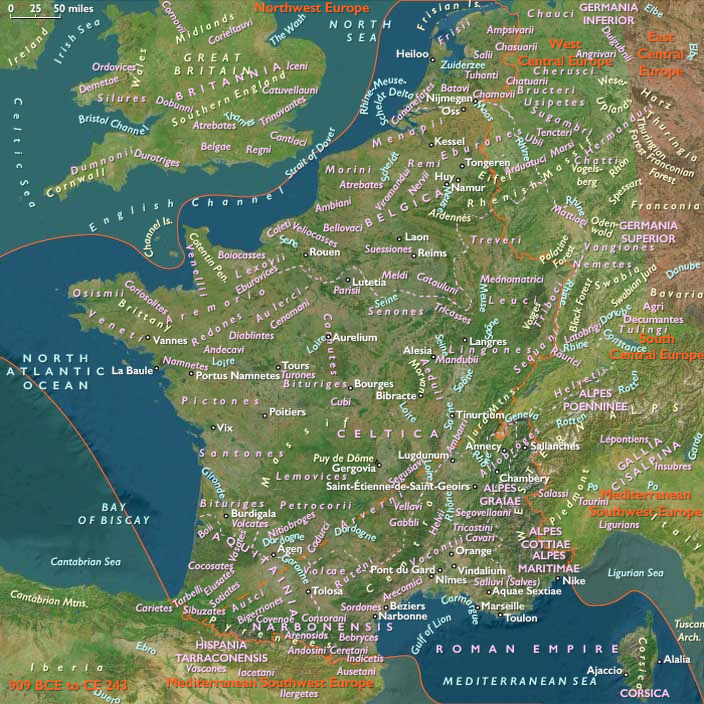
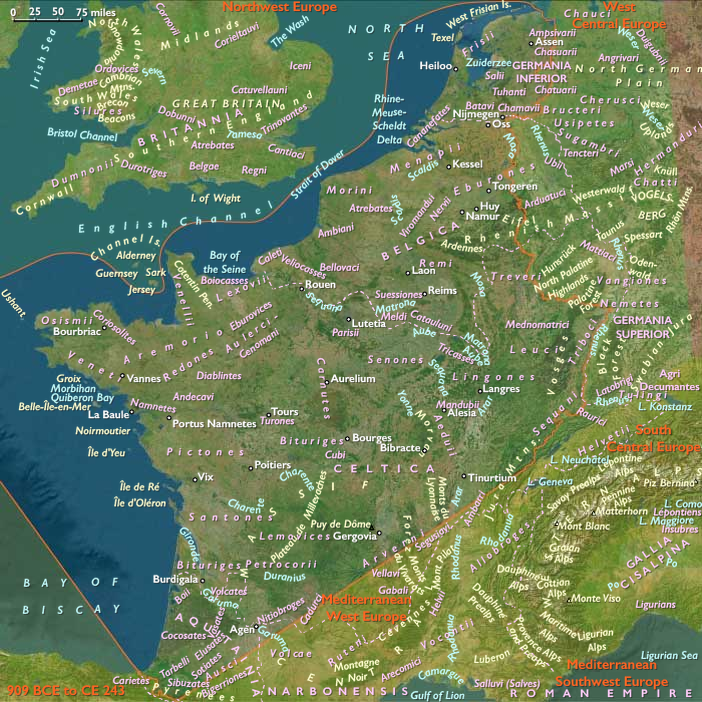
After the Gallic defeat at Alesia in 52 BCE, the Carnutes, who had sent 12,000 warriors to support Vercingetorix, were forced to retreat along with the rest of the Gallic forces. Despite their losses, they continued resisting Rome, attacking the Bituriges Cubi, another Gallic tribe that had aligned with Caesar.
The Submission of the Carnutes
- After the Battle of Alesia, the Carnutes launched attacks on the Bituriges Cubi, attempting to regain control of central Gaul.
- The Bituriges appealed to Caesar for assistance, prompting a Roman military response.
- Under pressure from Rome’s legions, the Carnutes were forced to submit, marking the final phase of Gallic resistance in their territory.
The Destruction of Cenabum and Roman Occupation
- Cenabum, the sacred city of the Carnutes, had been razed by Caesar earlier in 52 BCE in retaliation for the massacre of Roman merchants and officials—an event that helped spark the wider Gallic revolt.
- Following the final submission of the Carnutes, Cenabum remained a mass of ruins, symbolizing Rome’s dominance over central Gaul.
- The city was garrisoned by two Roman legions for several years, ensuring the complete pacification of the region.
Location and Historical Legacy
- Cenabum was located on both banks of the Loire River, approximately 112 km (70 miles) southwest of modern Paris.
- The site would later be rebuilt by the Romans, eventually evolving into the city of Aurelianum (modern Orléans).
Significance of the Carnutes' Defeat
- The destruction of Cenabum and the submission of the Carnutes marked the final collapse of independent Gallic resistance in central Gaul.
- The Roman military occupation of Cenabum was part of Caesar’s broader strategy to eliminate rebellious strongholds and integrate Gaul into the Roman Republic.
- Over time, Romanization transformed the region, incorporating it into Gallia Lugdunensis, one of the key provinces of Roman Gaul.
By 51 BCE, with the Carnutes subdued and their capital ruined, Caesar’s conquest of Gaul was complete, setting the stage for the region’s long-term Romanization and economic integration into the empire.
Locations
People
Groups
Topics
- Classical antiquity
- Pre-Roman Iron Age of Northern Europe
- Roman Age Optimum
- Roman Republic, Crisis of the
- Gallic Wars
Commodoties
Subjects
Regions
Subregions
Years: 52BCE - 52BCE
October
Locations
People
Groups
Topics
- Classical antiquity
- Pre-Roman Iron Age of Northern Europe
- Roman Age Optimum
- Roman Republic, Crisis of the
- Gallic Wars
Commodoties
Subjects
Regions
Subregions