
Filters:
The Reign of Trajan (98–117 CE): Expansion, …
Years: 112 - 123
The Reign of Trajan (98–117 CE): Expansion, Administration, and Legacy
Emperor Trajan, renowned for his military prowess and administrative reforms, pursued an aggressive expansionist policy, extending Rome’s borders to their greatest extent. At the same time, he enacted progressive domestic policies, particularly benefiting the provinces and lower classes.
1. Military Expansion: Conquering Beyond the Danube
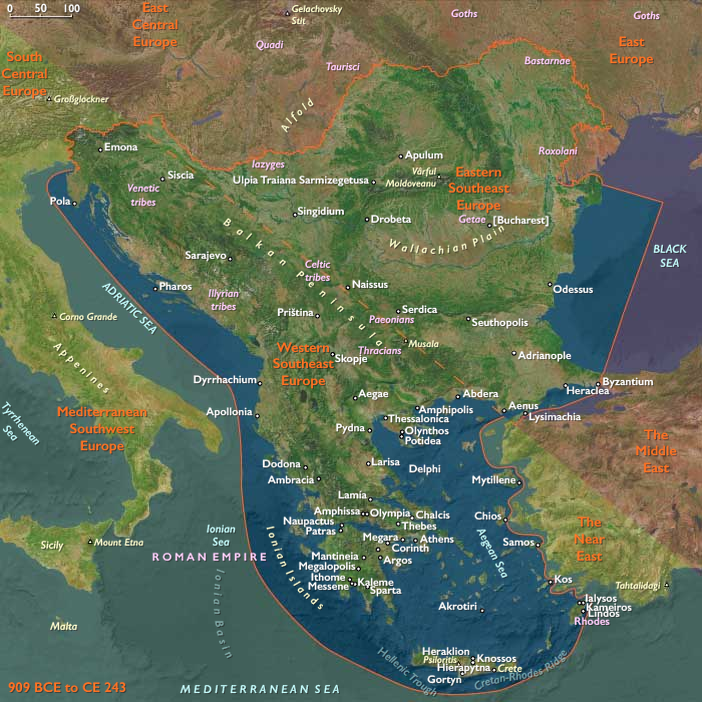
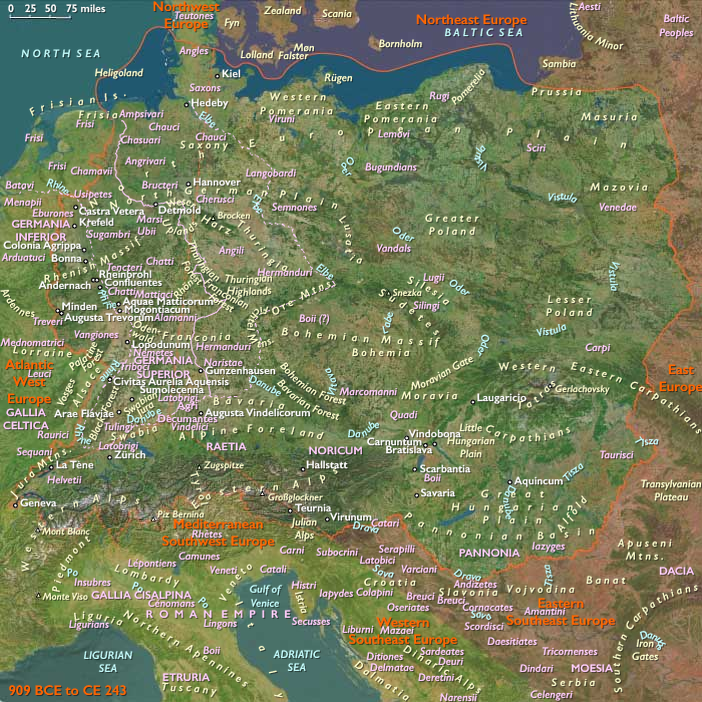
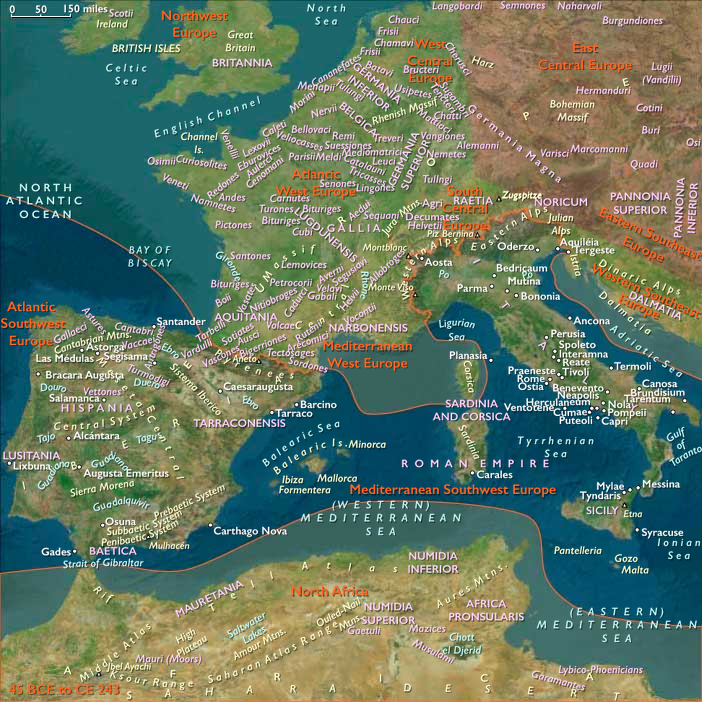
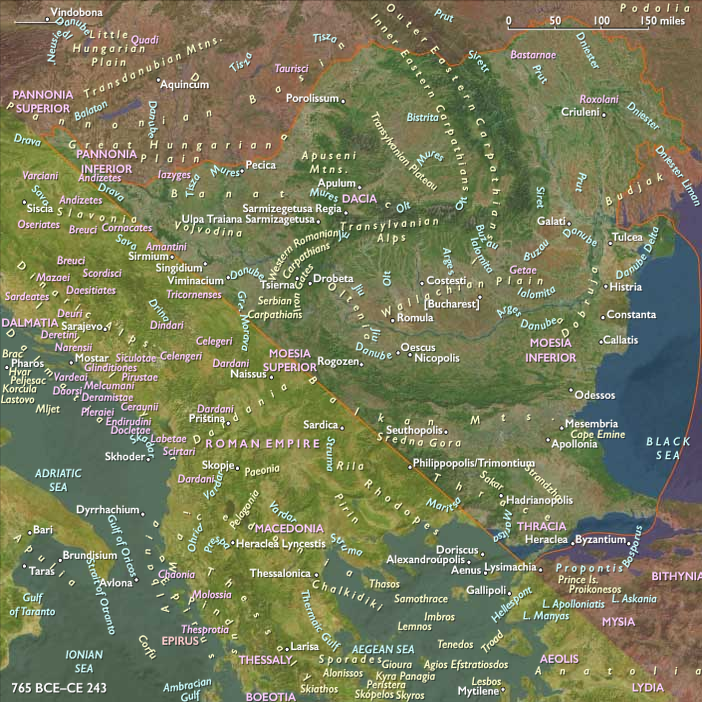
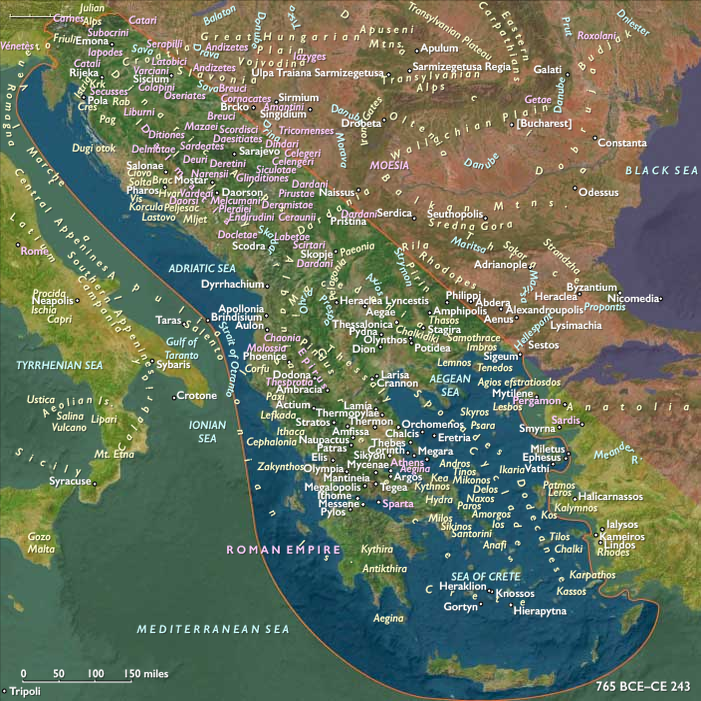
- Trajan led successful campaigns north of the Danube, creating the new province of Dacia (106 CE).
- The Dacian Wars (101–102, 105–106 CE) brought vast gold and silver resources into the Roman economy, enriching the empire.
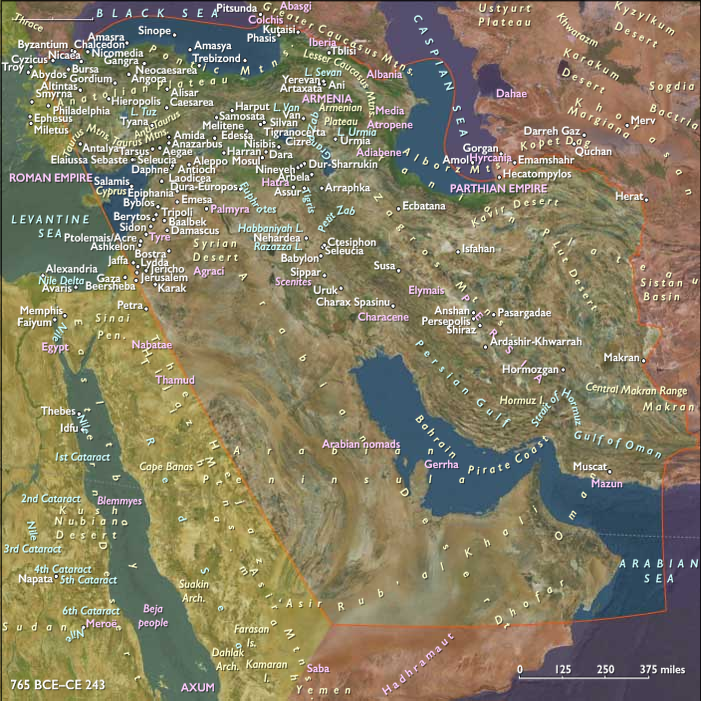
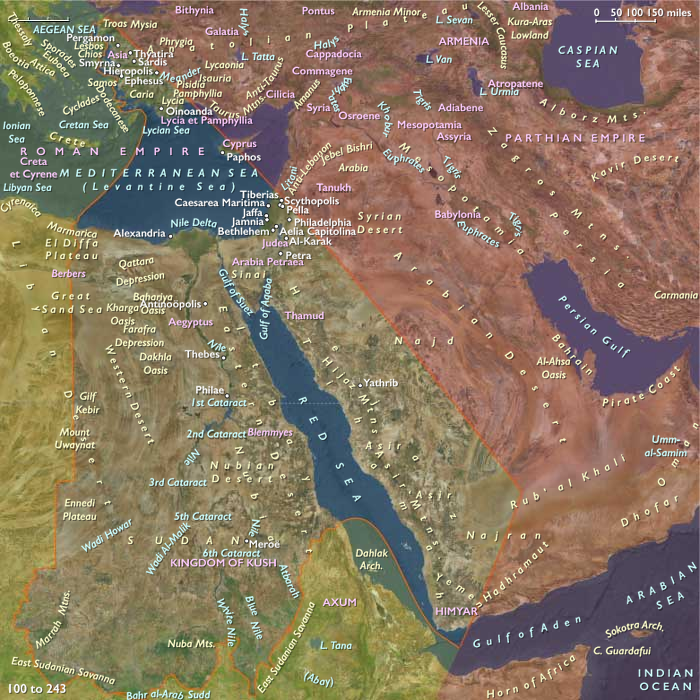
- His eastern campaigns secured Armenia, Mesopotamia, and parts of Parthia, pushing Roman control deeper into the Near East than ever before.
2. Administrative Reforms and Support for the Provinces
A provincial himself, Trajan prioritized provincial interests, enacting policies to lower tax burdens and elevating provincial elites to high-ranking imperial positions.
- His governance fostered stronger ties between Rome and its provinces, ensuring greater political and economic stability.
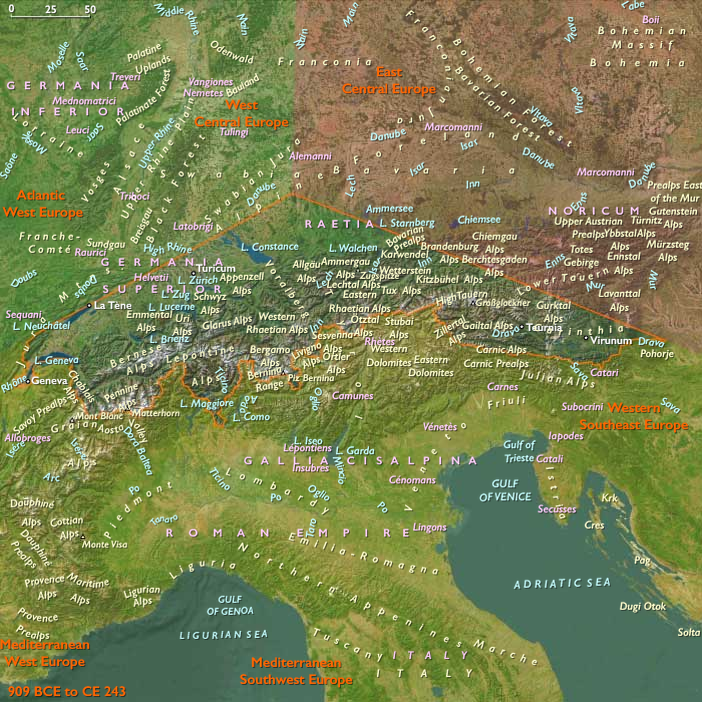
- He invested heavily in infrastructure, building roads, bridges, aqueducts, and public buildings, particularly in Italy and the provinces.
3. The Alimenta: Social Welfare for Impoverished Children
- Trajan introduced the alimenta, a state-funded program providing financial aid to poor children, particularly in rural areas.
- This initiative strengthened the population base, ensuring a stable labor force and future military recruits.
- His philanthropic policies earned him widespread admiration, reinforcing his reputation as an emperor who cared for his people.
4. The Persecution of Christians
- Despite his progressive domestic policies, Trajan continued the official persecution of Christians.
- At the time, Christianity was still considered a Jewish sect and a potential threat to Roman order.
- His correspondence with Pliny the Younger revealed a policy of moderation: Christians were not to be actively hunted but were punished if they openly refused to worship Roman gods.
5. Trajan’s Death and His Lasting Legacy
- Trajan died in 117 CE after a 19-year reign, leaving behind an empire larger than ever before.
- His conquests in the East were later abandoned by Hadrian, who focused on consolidation rather than expansion.
- Despite this, Trajan’s administrative reforms, military achievements, and public welfare programs ensured his place as one of Rome’s most respected emperors.
His reign was so highly regarded that later emperors were officially wished "more fortunate than Augustus and better than Trajan"—a testament to his enduring legacy as a model ruler of Rome.
People
Groups
- Armenia, Kingdom of Greater
- Roman Empire (Rome): Nerva-Antonine dynasty
- Dacia, Roman
- Mesopotamia (Roman province)
Topics
Subjects
Regions
Subregions
- East Central Europe
- Eastern Southeast Europe
- Middle East
- Near East
- Western Southeast Europe
- South Central Europe
- Mediterranean West Europe
- Mediterranean Southwest Europe
- Atlantic Southwest Europe
- Atlantic West Europe
- West Central Europe
- Northwest Europe
Years: 112 - 123
People
Groups
- Armenia, Kingdom of Greater
- Roman Empire (Rome): Nerva-Antonine dynasty
- Dacia, Roman
- Mesopotamia (Roman province)
Topics
Subjects
Regions
Subregions
- East Central Europe
- Eastern Southeast Europe
- Middle East
- Near East
- Western Southeast Europe
- South Central Europe
- Mediterranean West Europe
- Mediterranean Southwest Europe
- Atlantic Southwest Europe
- Atlantic West Europe
- West Central Europe
- Northwest Europe