
The Growth of Christianity in the Roman …
Years: 244 - 387
The Growth of Christianity in the Roman Empire and Its Relationship with Judaism
During the early centuries of the Common Era, Christianity gradually gained a foothold in the Roman Empire, evolving from a small sect of Judaism into a distinct religious movement. As Christianity spread, its leaders sought to establish a universal message that appealed to a wider audience beyond the Jewish community.
Christianity’s Interpretation of the Hebrew Bible
-
Early Christian theologians reinterpreted the Hebrew Bible (which they termed the “Old Testament”) as a precursor to the New Testament, claiming that:
- The laws and prophecies of the Old Testament were fulfilled through Jesus Christ.
- Christian believers—both Jews and Gentiles—represented the new Israel, spiritually and physically.
-
This reinterpretation positioned Christianity as the continuation and fulfillment of Jewish tradition, differentiating it from Judaism, which maintained its adherence to Mosaic Law and awaited a different messianic fulfillment.
Christian Views on Jewish Exile and Survival
-
Many early Christians interpreted the Jewish exile as a divine punishment, believing it was a consequence of:
- The Jews’ rejection of Jesus as the Messiah.
- Their perceived role in his crucifixion, an accusation that contributed to Christian anti-Judaism in later centuries.
-
At the same time, the continued survival of Judaism, despite exile and persecution, puzzled many early Christians.
- Some saw Jewish endurance as stubborn defiance of divine will.
- Others, such as Augustine of Hippo, later argued that the Jewish people were preserved by God as “witnesses” to the validity of Christian prophecy, even in their dispersion.
Impact on Christian-Jewish Relations
-
As Christianity became the dominant religion of the Roman Empire, tensions with Jewish communities intensified.
-
Christian leaders sought to differentiate their faith from Judaism, leading to:
- Theological disputes over the interpretation of scripture.
- Legal restrictions on Jewish practices under Christianized Roman rule.
- The development of Christian supersessionism, the belief that Christianity had replaced Judaism in God’s covenant.
-
Despite opposition, Judaism survived and continued to develop, leading to a complex and often strained relationship between the two religious traditions throughout Late Antiquity and the Middle Ages.
Conclusion: Christianity’s Rise and Its Effects on Jewish Identity
The early growth of Christianity in the Roman Empire involved reinterpretations of Jewish scripture, shaping its self-identity as the “new Israel”. However, Jewish persistence despite exile challenged Christian theological narratives, leading to centuries of debate, tension, and periodic persecution. This dynamic profoundly influenced religious thought and interfaith relations throughout history.
Groups
- Christians, Jewish
- Christians, Early
- Roman Empire (Rome): Non-dynastic
- Roman Empire: Tetrarchy
- Christianity, Arian
- Christians, Meletian
- Christians, Armenian Apostolic Orthodox
- Roman Empire: Constantinian dynasty (Nicomedia)
- Christianity, Nicene
- Roman Empire: Constantinian dynasty (Constantinople)
- Roman Empire: Valentinian dynasty (Rome)
- Roman Empire: Theodosian dynasty (Constantinople)
Topics
Subjects
Regions
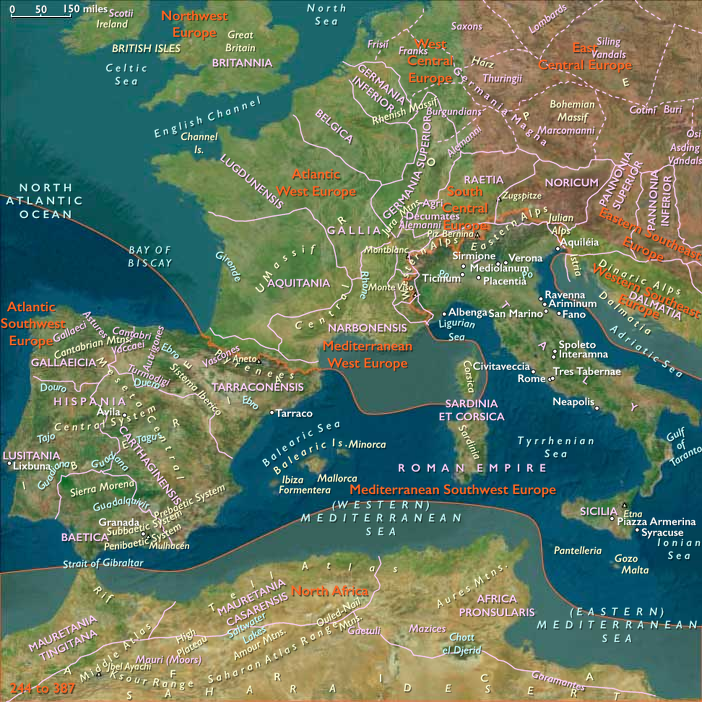
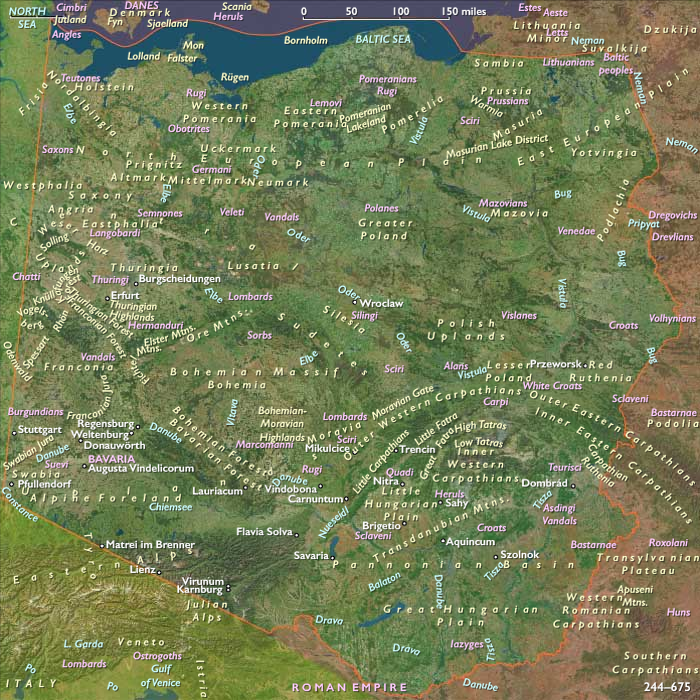
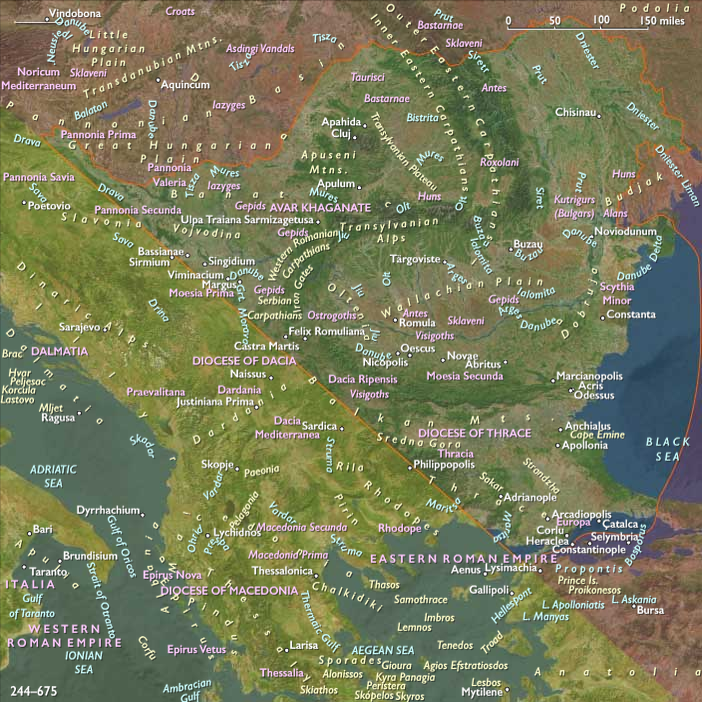
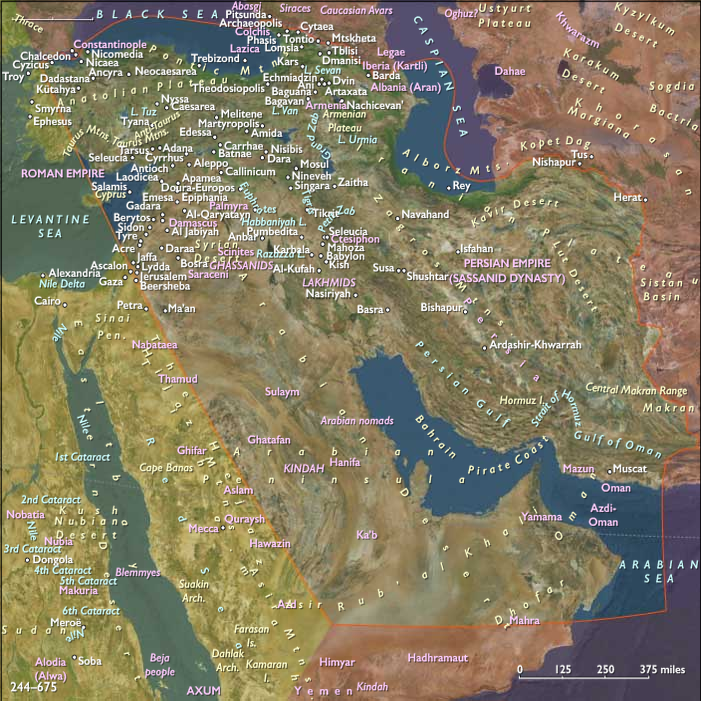
Subregions
- East Central Europe
- Eastern Southeast Europe
- Middle East
- Near East
- Western Southeast Europe
- South Central Europe
- Mediterranean West Europe
- Mediterranean Southwest Europe
- North Africa
- Atlantic Southwest Europe
- Atlantic West Europe
- West Central Europe
- Northwest Europe
Related Events
Showing 10 events out of 60511 total
Years: 244 - 387
Groups
- Christians, Jewish
- Christians, Early
- Roman Empire (Rome): Non-dynastic
- Roman Empire: Tetrarchy
- Christianity, Arian
- Christians, Meletian
- Christians, Armenian Apostolic Orthodox
- Roman Empire: Constantinian dynasty (Nicomedia)
- Christianity, Nicene
- Roman Empire: Constantinian dynasty (Constantinople)
- Roman Empire: Valentinian dynasty (Rome)
- Roman Empire: Theodosian dynasty (Constantinople)
Topics
Subjects
Regions
Subregions
- East Central Europe
- Eastern Southeast Europe
- Middle East
- Near East
- Western Southeast Europe
- South Central Europe
- Mediterranean West Europe
- Mediterranean Southwest Europe
- North Africa
- Atlantic Southwest Europe
- Atlantic West Europe
- West Central Europe
- Northwest Europe