
Filters:
Karl Jaspers will call this the Axial …
Years: 477BCE - 334BCE
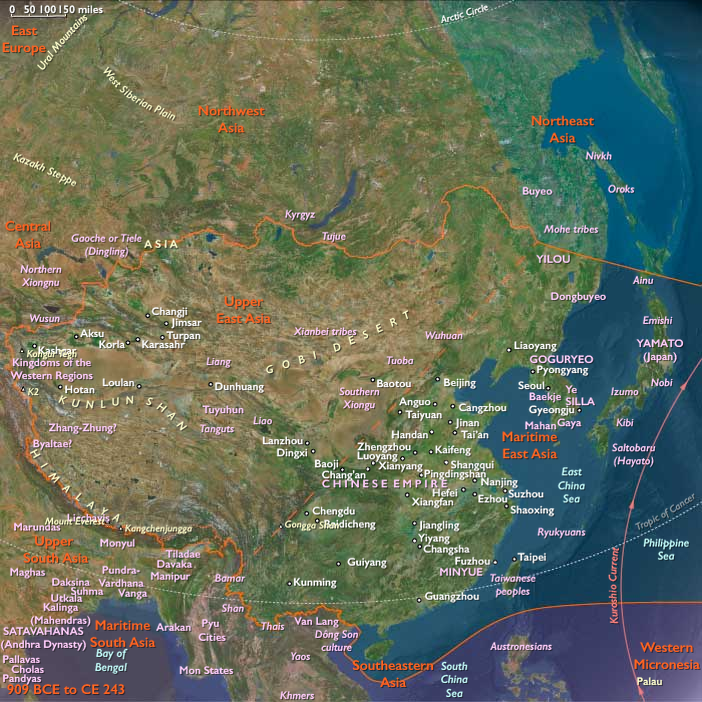
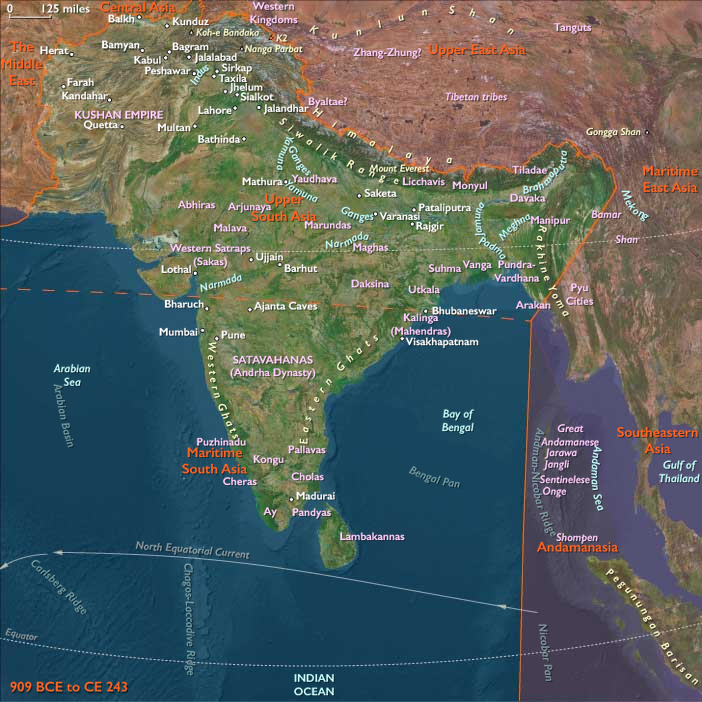
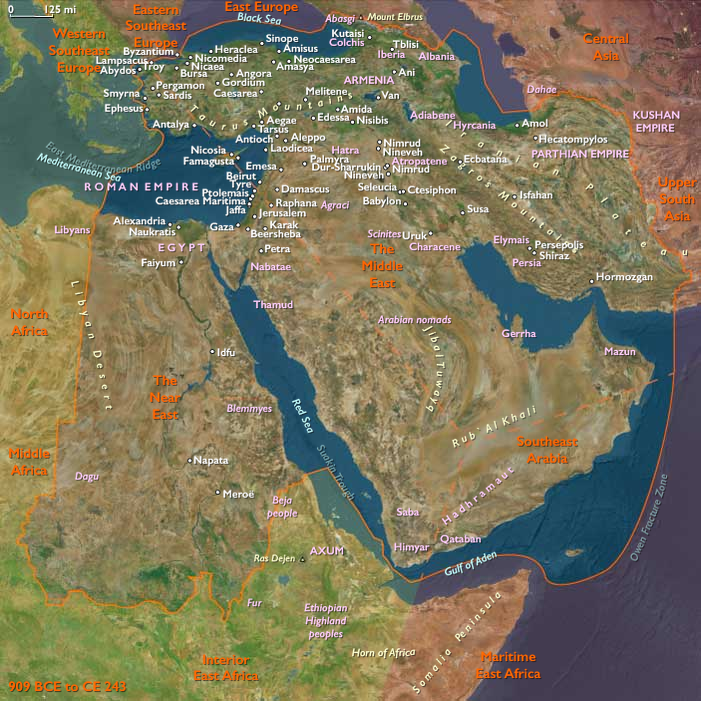
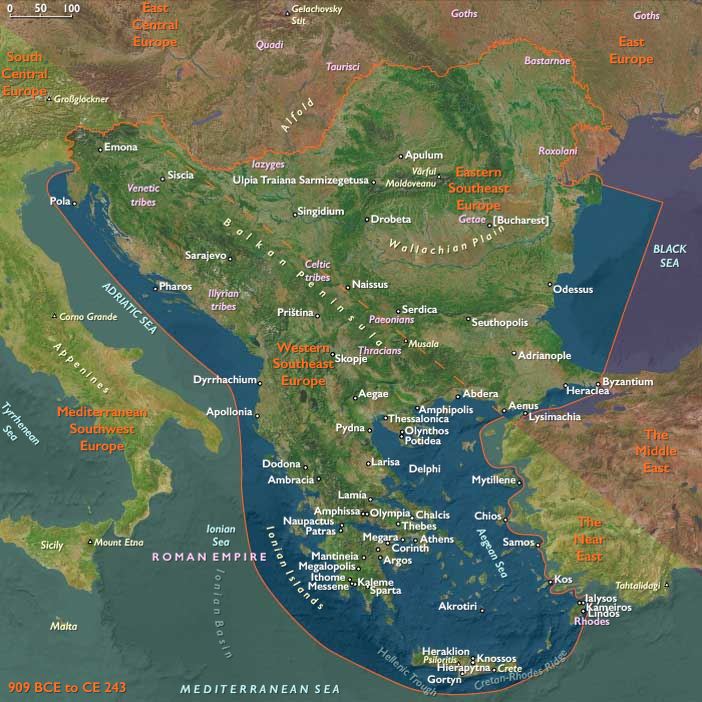
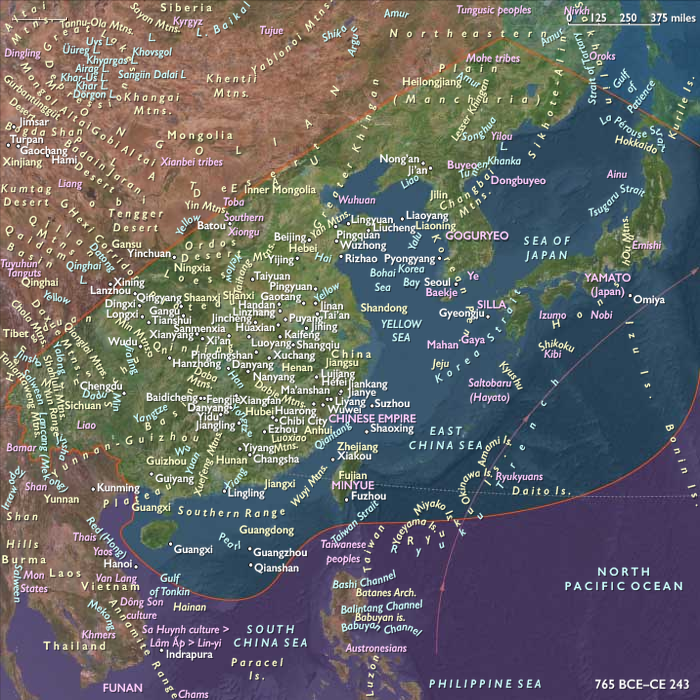
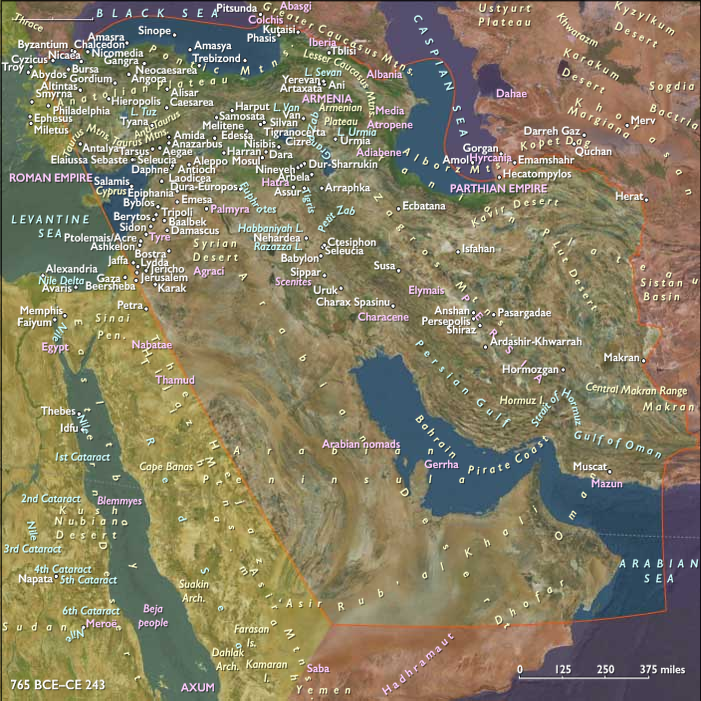
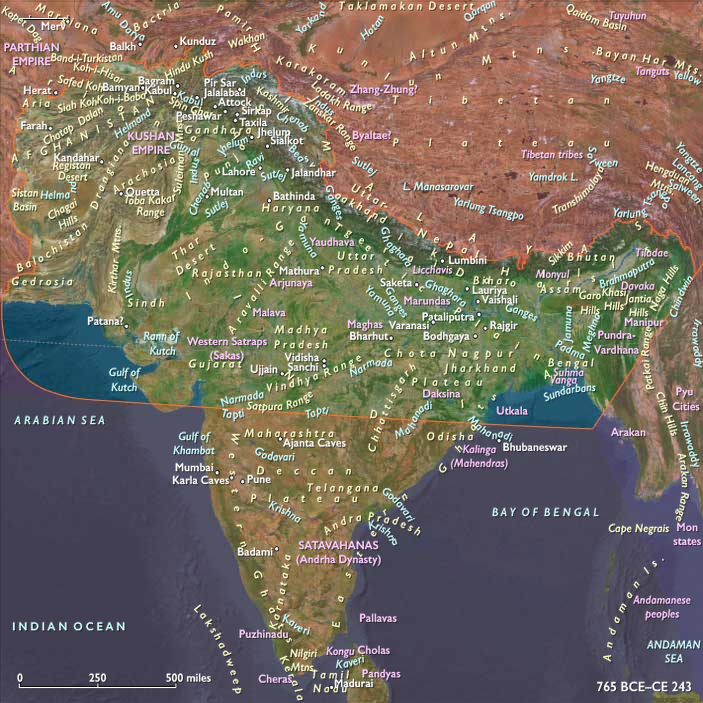
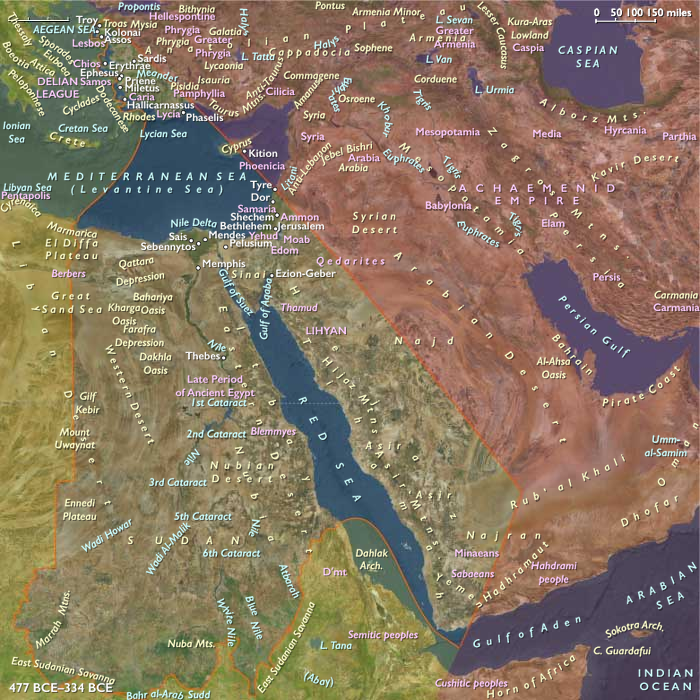
Karl Jaspers will call this the Axial Age, in which a number of widely separated cultures in Persia, India, China and the Greco-Roman world pivot from systems of ritual and sacrifice to systems of religious and philosophical belief in a striking parallel development.
Similarities include an engagement in the quest for human meaning and the rise of a new elite class of religious leaders and thinkers in China, India and the Mediterranean.
These spiritual foundations are laid by individual thinkers within a framework of a changing social environment.
Jaspers will argue that the characteristics appeared under similar political circumstances: China, India, the Middle East and the Occident each comprised multiple small states engaged in internal and external struggles.
The three regions all give birth to, and then institutionalize, a tradition of traveling scholars, who roam from city to city to exchange ideas.
Taoism and Confucianism emerge in China after the Spring and Autumn period and the Warring States period.
In other regions, the scholars are largely from extant religious traditions; in India, from Hinduism, Buddhism, and Jainism; in Persia, from Zoroastrianism; in the Levant, from Judaism; and in Greece, from Sophism and other classical philosophies.
Similarities include an engagement in the quest for human meaning and the rise of a new elite class of religious leaders and thinkers in China, India and the Mediterranean.
These spiritual foundations are laid by individual thinkers within a framework of a changing social environment.
Jaspers will argue that the characteristics appeared under similar political circumstances: China, India, the Middle East and the Occident each comprised multiple small states engaged in internal and external struggles.
The three regions all give birth to, and then institutionalize, a tradition of traveling scholars, who roam from city to city to exchange ideas.
Taoism and Confucianism emerge in China after the Spring and Autumn period and the Warring States period.
In other regions, the scholars are largely from extant religious traditions; in India, from Hinduism, Buddhism, and Jainism; in Persia, from Zoroastrianism; in the Levant, from Judaism; and in Greece, from Sophism and other classical philosophies.
People
Groups
- Hinduism
- Chinese Kingdom, Zhou, or Chou, Eastern Dynasty
- Zoroastrians
- Jainism
- Buddhism
- Confucianists
- Jews
- Taoism
Topics
Subjects
Regions
Subregions
Years: 477BCE - 334BCE
People
Groups
- Hinduism
- Chinese Kingdom, Zhou, or Chou, Eastern Dynasty
- Zoroastrians
- Jainism
- Buddhism
- Confucianists
- Jews
- Taoism
Topics
Subjects
Regions
Subregions