
The Jacquerie (1358): A Peasant Revolt Born …
Years: 1348 - 1359
The Jacquerie (1358): A Peasant Revolt Born of Crisis
The Jacquerie of 1358, France’s archetypal peasant revolt, was fueled by economic hardship, much of it stemming from the devastation of the Black Death (1347–1351). The widespread population loss had already disrupted agriculture, reduced labor availability, and triggered rising wages, destabilizing feudal society. However, rather than improving the peasants’ position, the crisis was met with increased taxation, seigneurial repression, and military devastation, culminating in open rebellion.
Causes of the Revolt
Several interrelated crises contributed to the uprising:
- The Economic Shock of the Black Death – The plague had killed 25–50% of France’s population, leading to severe labor shortages. Although wages rose in response, lords sought to suppress these gains through repressive measures.
- War-Torn France – The Hundred Years’ War (1337–1453) brought devastation to the countryside, as bands of mercenaries and English raiders pillaged farms.
- The Capture of King John II (1356) – The French defeat at Poitiers left France in political and military turmoil, increasing pressure on the peasantry to finance the war effort through excessive taxation.
- Seigneurial Oppression – Feudal lords, eager to maintain their privileges amid economic decline, tightened their grip on the peasantry, reviving old obligations and demanding heavier dues.
The Revolt and Its Brutal Suppression
In May 1358, armed peasant bands in northern France launched attacks on manors, nobles, and clergy, destroying estates and castles in a frenzy of revenge and desperation. The revolt, however, was chaotic and poorly coordinated, lacking a clear leadership structure.
The nobility, led by Charles the Bad of Navarre, swiftly crushed the rebellion in June 1358. The retaliation was brutal, with thousands of peasants massacred in battle or executed afterward.
Legacy of the Jacquerie
Though short-lived, the Jacquerie became a defining symbol of peasant unrest in France. It illustrated the deep tensions between the aristocracy and the rural population, tensions that would persist and erupt again in later centuries, most notably during the French Revolution.
The revolt also revealed the fragility of feudal society in the face of economic turmoil and war, foreshadowing the slow but inevitable decline of medieval serfdom in France.
People
Groups
Topics
Subjects
Regions
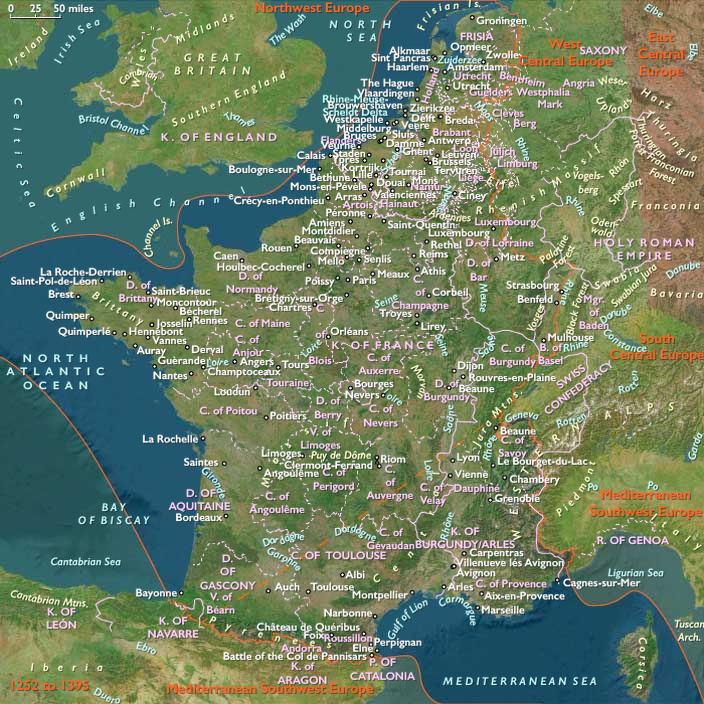
Subregions
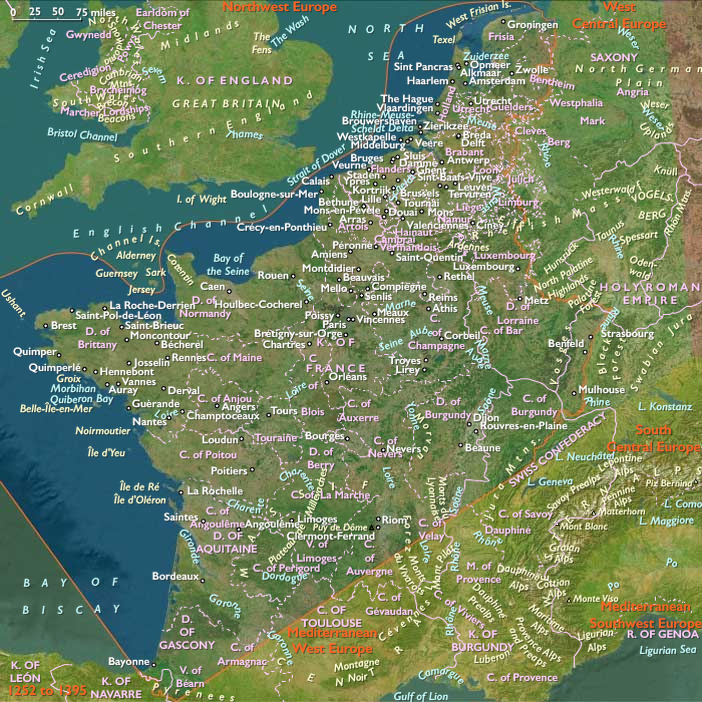
Years: 1348 - 1359
People
Groups
Topics
Subjects
Regions
Subregions