
The Siege and Destruction of Avaricum (52 …
Years: 52BCE - 52BCE
March
The Siege and Destruction of Avaricum (52 BCE): A Turning Point in the Gallic Wars
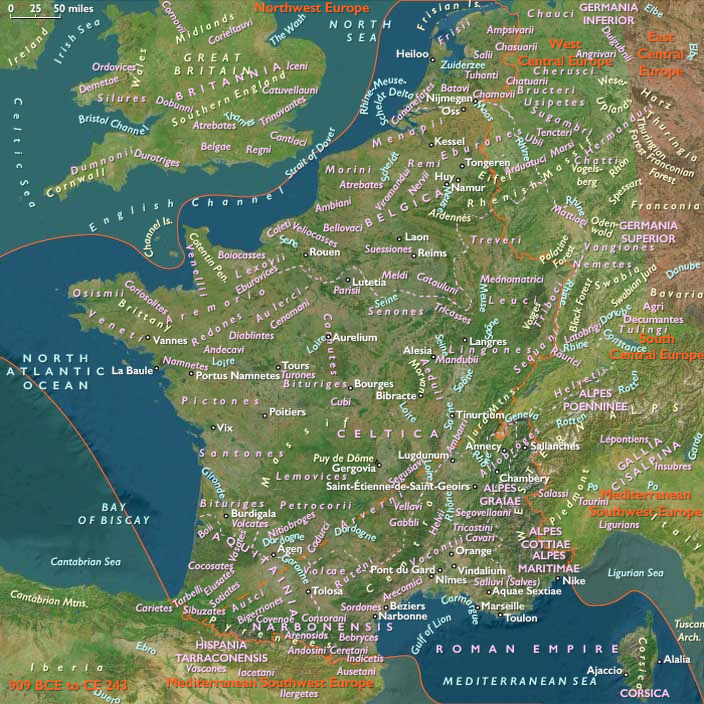
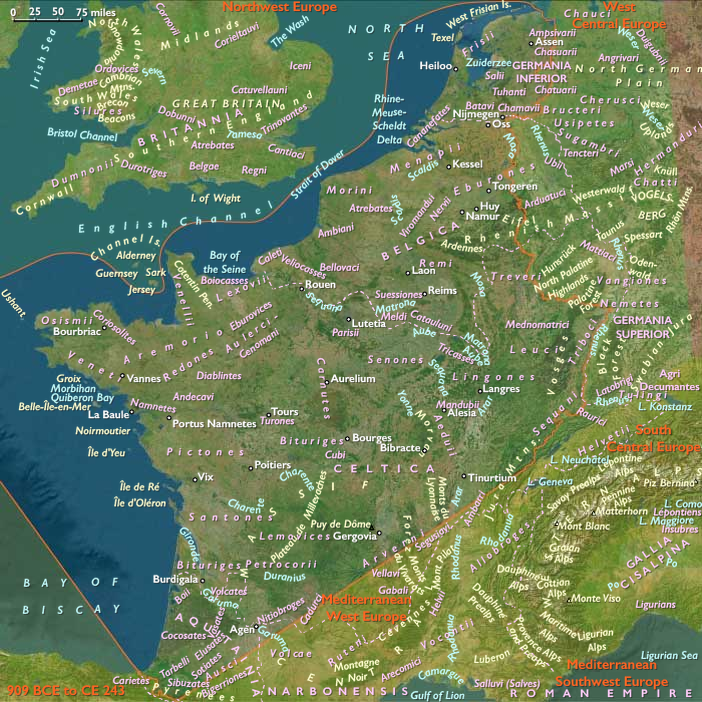
During the Gallic revolt of 52 BCE, led by Vercingetorix, the Bituriges of Avaricum (modern Bourges) pleaded for their capital city to be spared from destruction. Due to its strong natural defenses, including surrounding marshes and a fortified southern wall, the city was not burned down by the Gauls, unlike many other settlements abandoned to deny resources to the Romans.
The Siege of Avaricum
- As Julius Caesar pursued the Gallic rebels, he laid siege to Avaricum, one of the most defensible and well-fortified cities in central Gaul.
- The Romans faced difficult conditions, including harsh weather, supply shortages, and the strong defenses of the city.
- Despite this, Caesar’s engineers constructed siege works, allowing the legions to breach the defenses after an extended siege.
The Fall of Avaricum and the Massacre of Its People
- Once the Romans stormed the city, they massacred nearly all of its inhabitants, leaving only 800 survivors out of a population of approximately 40,000.
- Caesar justified the total destruction of Avaricum as revenge for the earlier ambushes and attacks by the Gauls on Roman troops.
- The plundering of the city provided much-needed supplies and morale boosts for Caesar’s legions.
Caesar’s Pursuit and Defeat at Gergovia
- After capturing Avaricum, Caesar pursued the retreating Gauls deeper into Arverni territory.
- However, at Gergovia, the stronghold of Vercingetorix, Caesar suffered a rare and humiliating defeat, forcing him to withdraw.
- This temporary setback emboldened the Gallic coalition, leading to a more organized resistance against Rome.
Significance of the Siege of Avaricum
- The destruction of Avaricum showed Roman military superiority in siege warfare but also deepened Gallic hatred toward Rome.
- The massacre of its people became a rallying cry for resistance, strengthening Vercingetorix’s position as the leader of a united Gallic rebellion.
- Though Gergovia proved to be a setback, the Roman momentum was not lost, culminating in the decisive Siege of Alesia later that year.
The fall of Avaricum remains one of the most brutal episodes of the Gallic Wars, symbolizing both Rome’s relentless military efficiency and the desperate resistance of the Gallic tribes.
Locations
People
Groups
Topics
- Classical antiquity
- Pre-Roman Iron Age of Northern Europe
- Roman Age Optimum
- Roman Republic, Crisis of the
- Gallic Wars
Commodoties
Subjects
Regions
Subregions
Related Events
Showing 10 events out of 62515 total
Years: 52BCE - 52BCE
March
Locations
People
Groups
Topics
- Classical antiquity
- Pre-Roman Iron Age of Northern Europe
- Roman Age Optimum
- Roman Republic, Crisis of the
- Gallic Wars
Commodoties
Subjects
Regions
Subregions