
The benevolent rule and strong foreign and …
Years: 1584 - 1584
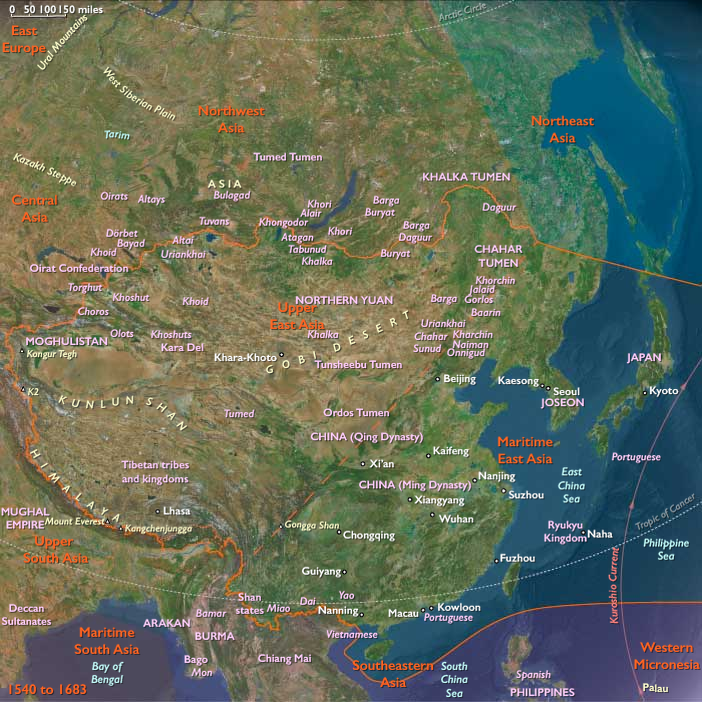
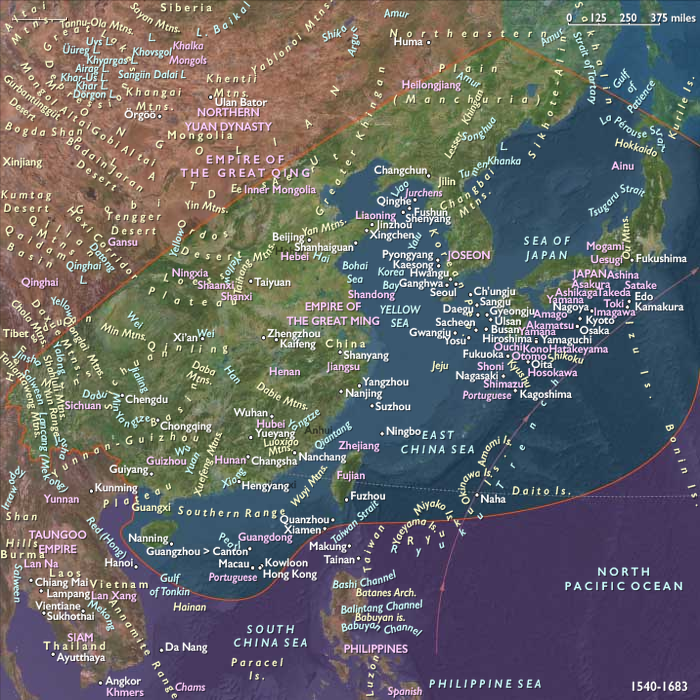
The benevolent rule and strong foreign and economic policies of Chang Chü-cheng, a powerful Chinese minister during the last years of the reign (1566/67–72) of Lung-ch'ing and the first decade of the reign (1572–1620) of Wanli, both of the Ming dynasty, are generally considered by Chinese and Western historians to have brought the Ming dynasty (1368–1644) to its peak.
Chang, who had gained power through his position as tutor to Lung-ch'ing, had worked to centralize the government, limit special privileges, and reclaim the tax-exempt lands owned by members of the Imperial family and official classes.
There were one hundred and six million acres in the tax registers by 1580.
Chang's efforts to limit government spending, however, have been a failure.
Wanli spends lavishly, and after Chang's death in 1582 state resources are depleted.
Partisan wrangling, temporarily abandoned under Chang's iron rule, ensues, and the dynasty rapidly declines.
Although during his lifetime Chang had been showered with honors and tributes, within two years after his death the Emperor has his family's land confiscated, his titles rescinded, and the record of his accomplishments blackened.
At the same time, the late, great philosopher Wamg Tang-min, who had been honored posthumously rehabilitated in 1567, thirty-eight years after his death, and granted the title of marquis of Hsin-chien and the posthumous title of Wen-ch'eng (Completion of Culture), now begins to be offered sacrifice in the Confucian temple, the highest honor.
Locations
People
Groups
Subjects
Regions
Subregions
Years: 1584 - 1584
Locations
People
Groups
Subjects
Regions
Subregions