
The Astur-Cantabrian Resistance and the Roman Campaign …
Years: 25BCE - 25BCE
The Astur-Cantabrian Resistance and the Roman Campaign
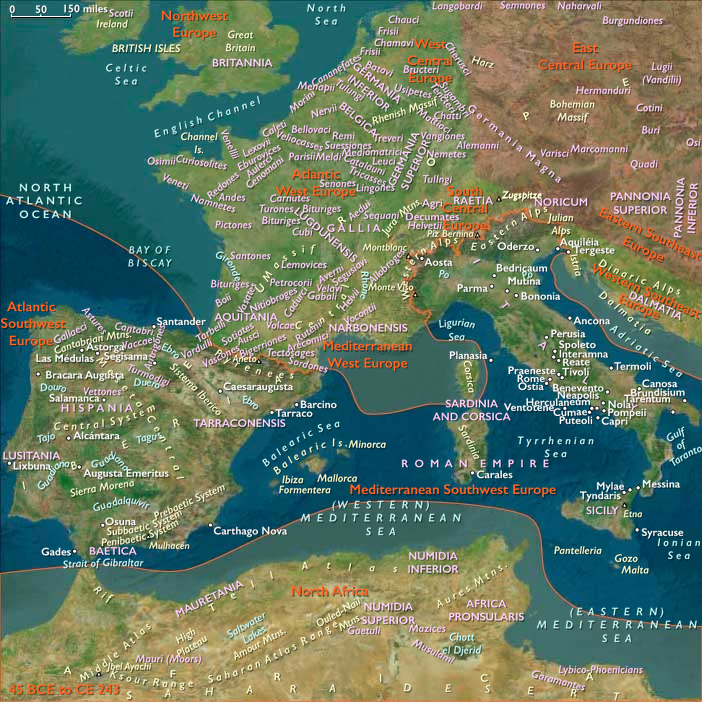
As the Cantabrian Wars escalate, the Astures join the Cantabri in a unified defense against Roman expansion.
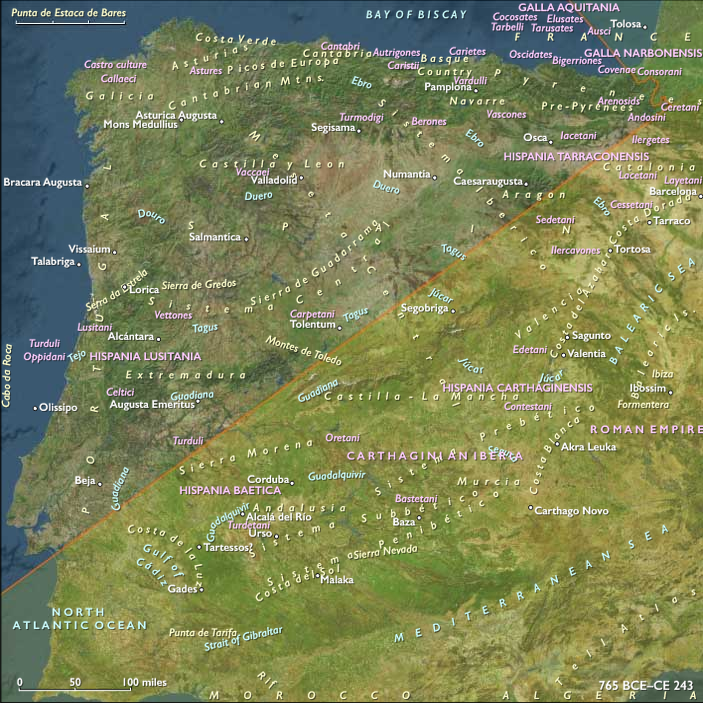
By the spring of 25 BCE, three Roman legions are positioned near the Astura River (modern Esla River), with additional forces from Tarraconensis.
According to Florus, a contemporary Roman historian, the Astures Transmontani descend from their snow-covered mountains—a plausible scenario in the Picos de Europa during spring—and settle near the Astura River, preparing to launch an attack on the three Roman winter camps.
However, the Brigaecini (Astures Cismontani) of the Benavente region betray their plans, informing Emperor Augustus of the impending assault. In gratitude for their loyalty, Augustus rewards them with Brigantum, the camp of Augustan Asturica, and grants them lands in the plains.
The Siege of Lancia and the Fall of the Astures
Following this intelligence, Augustus’ general Carisius launches a decisive attack against the Astur armies, likely commanded by Gausón. The Astures retreat to Lancia, described by Florus as the most important stronghold of the Astures Cismontani.
After Lancia is besieged, the remaining Astur forces flee to Mons Medullius, a heavily fortified mountain refuge. Some scholars identify this site as Las Médulas, based on Florus’ account in his Epitome of Roman History.
The Roman legions encircle Mons Medullius, constructing a 15-mile-long moat and ditch to cut off the defenders. According to Orosius, rather than surrender, the Astur warriors choose mass suicide, using their own weapons and yew tree poison to escape Roman subjugation.
Locations
People
Groups
Topics
Commodoties
Subjects
Regions
Subregions
Related Events
Showing 4 events out of 4 total
Years: 25BCE - 25BCE
Locations
People
Groups
Topics
Commodoties
Subjects
Regions
Subregions