
Zenobia at this point had already subjugated …
Years: 270 - 270
August
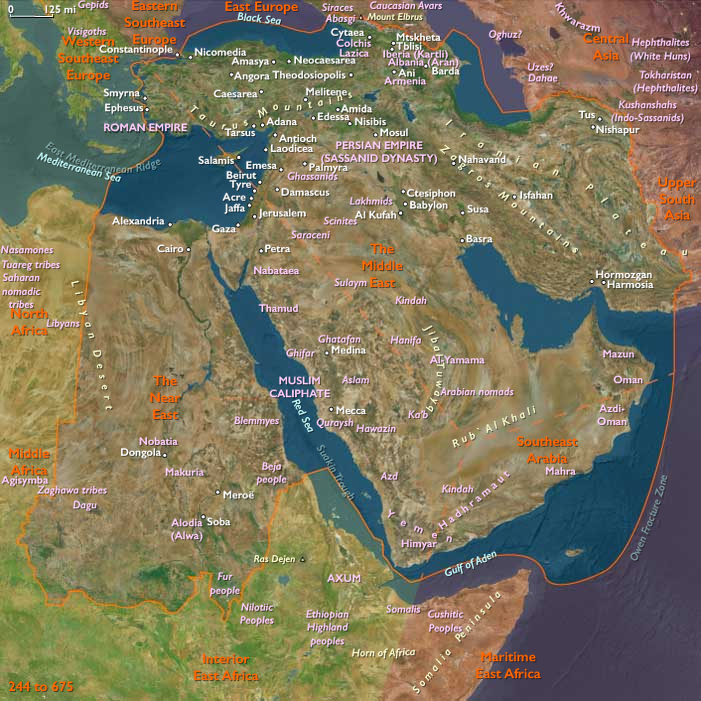
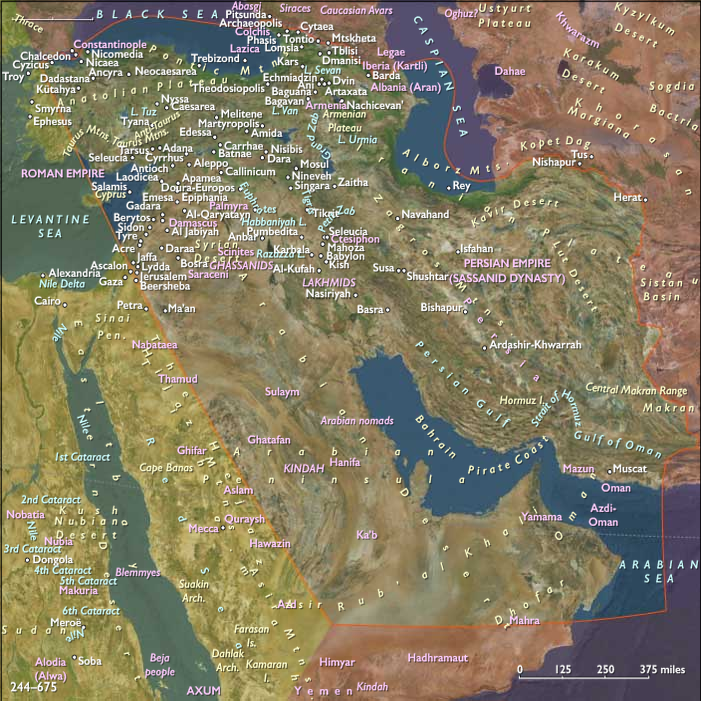
Zenobia at this point had already subjugated Syria, Judea and Arabia Petraea in early 270, sacking the capital of the latter and pacifying the Tanukhid tribes in Hauran who had challenged her authority, which makes it clear that Egypt is going to be the queen's next target.
Locations
People
Groups
- Egypt (Roman province)
- Syria Palæstina, Roman province of (Judea, Samaria, and Idumea)
- Persian Empire, Sassanid, or Sasanid
- Roman Empire (Rome): Non-dynastic
- Palmyrene Empire
Topics
- Classical antiquity
- Roman Age Optimum
- Crisis of the Third Century (Roman Civil “War” of 235-84)
- Palmyrene invasion of Egypt
Commodoties
Subjects
Regions
Subregions
Related Events
Showing 10 events out of 60248 total
Years: 270 - 270
August
Locations
People
Groups
- Egypt (Roman province)
- Syria Palæstina, Roman province of (Judea, Samaria, and Idumea)
- Persian Empire, Sassanid, or Sasanid
- Roman Empire (Rome): Non-dynastic
- Palmyrene Empire
Topics
- Classical antiquity
- Roman Age Optimum
- Crisis of the Third Century (Roman Civil “War” of 235-84)
- Palmyrene invasion of Egypt
Commodoties
Subjects
Regions
Subregions