
The Arian leaders, exiled after the Council …
Years: 337 - 337
The Arian leaders, exiled after the Council of Nicaea, have from 325 to the death of Constantine in 337 tried by intrigue to return to their churches and sees and to banish their enemies.
They have been partly successful.
After some months of confusion, the emperor's three surviving sons each adopt the title of Augustus on September 9 and divide the empire among themselves.
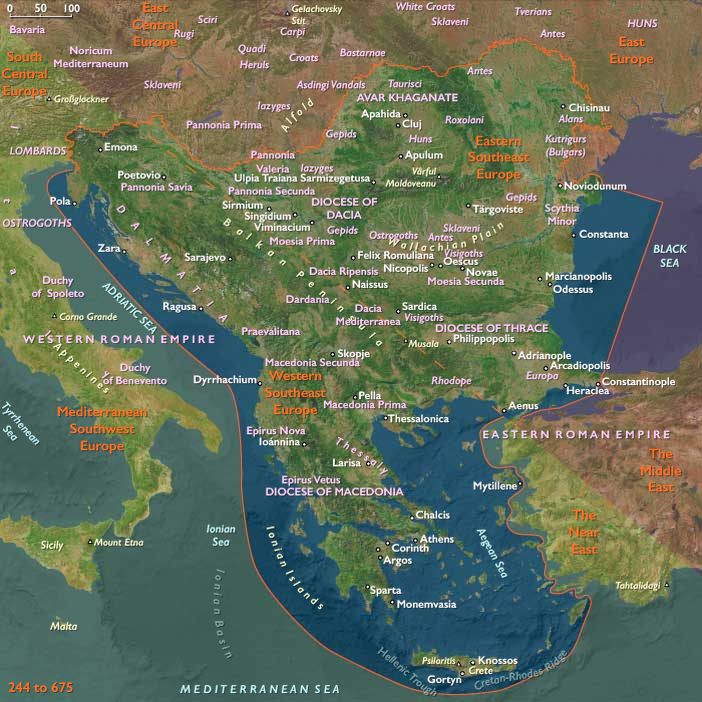
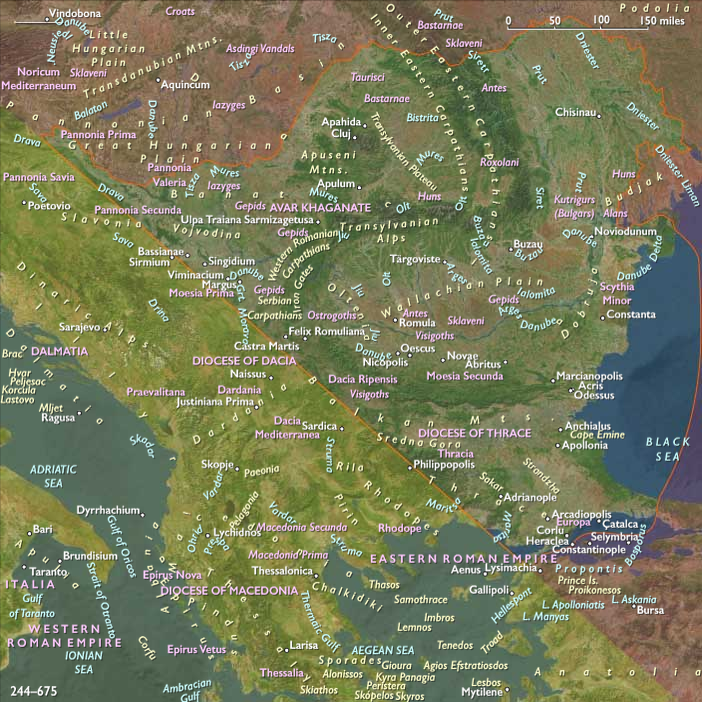
Constantius II takes the eastern provinces (Thrace, Macedonia, Greece, Asia, and Egypt) for himself.
Simultaneously, the troops massacre many of his relatives, including Constantine's half-brother, Julius Constantius, consul in 335 and father of the future caesar Gallus and the six-year-old future emperor Julian, who is exiled with the rest of his family to Cappadocia.
(In Julian's 361 Letter to the Athenians, he will openly accuse Constantius of murdering his father.
The historian Eutropius felt the new emperor had “permitted but not ordered” the killings.)
Constantius expands Roman anti-Jewish legislation; Jews are labeled “a pernicious sect”.
Locations
People
Groups
- Jews
- Egypt (Roman province)
- Achaea (Roman province)
- Monarchianism
- Christianity, Arian
- Macedonia, Diocese of
- Thrace, Diocese of
- Asia, Diocese of
- Christianity, Nicene
- Roman Empire: Constantinian dynasty (Constantinople)
- East, or Oriens, Praetorian prefecture of
Topics
Subjects
Regions
Subregions
Related Events
Showing 10 events out of 59862 total
Years: 337 - 337
Locations
People
Groups
- Jews
- Egypt (Roman province)
- Achaea (Roman province)
- Monarchianism
- Christianity, Arian
- Macedonia, Diocese of
- Thrace, Diocese of
- Asia, Diocese of
- Christianity, Nicene
- Roman Empire: Constantinian dynasty (Constantinople)
- East, or Oriens, Praetorian prefecture of
Topics
Subjects
Regions
Subregions