
The Monastery of Jesus of Setúbal: The …
Years: 1498 - 1498
The Monastery of Jesus of Setúbal: The First Manueline Masterpiece
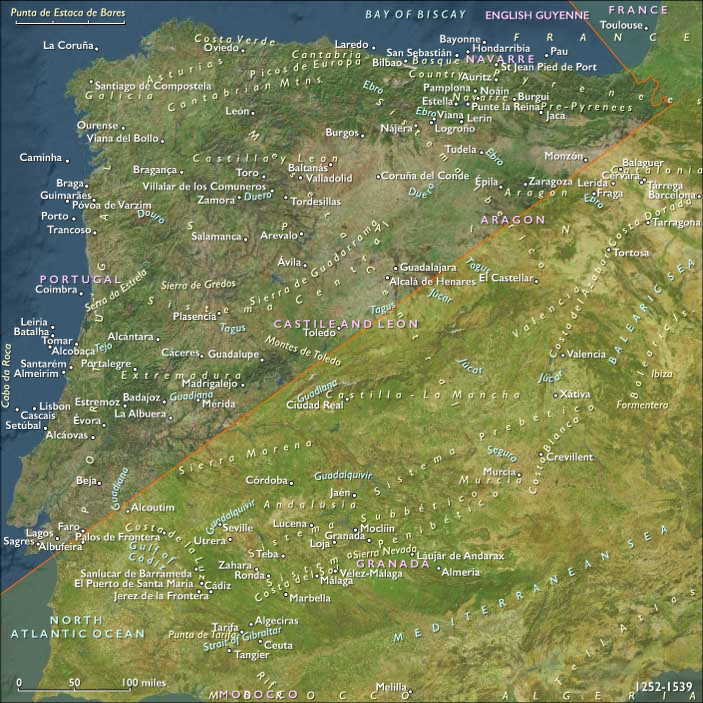
The Monastery of Jesus of Setúbal, located south of Lisbon, is one of the earliest examples of Manueline architecture, a uniquely Portuguese style that blended Late Gothic, Moorish, and Renaissance influences. Built between 1490 and 1496, the monastery introduced new architectural elements, particularly the plaited colonettes, which would become a defining feature of Manueline design.
Origins and Royal Patronage
- The monastery was founded around 1490 by Justa Rodrigues Pereira, a noblewoman of the Portuguese royal court.
- King John II (r. 1481–1495) began sponsoring the construction after 1491, commissioning the work to Diogo de Boitaca (Boytac), an architect of unknown origins (possibly French).
- After John II’s death in 1495, his successor, King Manuel I (r. 1495–1521), continued to fund and expand the monastery, ensuring its completion.
Architectural Innovations and the Birth of the Manueline Style
- The Monastery of Jesus of Setúbal is the first building completed in the Manueline style and features several pioneering elements:
- Plaited colonettes (twisted, rope-like stone pillars), which became a signature feature of Manueline architecture.
- Elaborate stone vaulting in the church’s nave, replacing the originally planned wooden ceiling.
- A fusion of Gothic, Moorish, and Renaissance elements, anticipating later Portuguese masterpieces such as the Jerónimos Monastery.
Completion and Religious Significance
- By 1496, the nuns of the Order of Poor Clares had already taken residence in the monastery.
- The monastery became an important center of religious life and artistic innovation, influencing later Portuguese ecclesiastical architecture.
Legacy of the Monastery of Jesus of Setúbal
- The first fully realized Manueline structure, it paved the way for larger, more elaborate works, including:
- The Jerónimos Monastery in Lisbon (begun 1501).
- The Convent of Christ in Tomar.
- The Royal Cloister of Batalha Monastery.
- It established Diogo de Boitaca as one of the most influential architects of his time, shaping Portuguese architecture for the next century.
The Monastery of Jesus of Setúbal, though less famous than later Manueline monuments, remains a landmark in the evolution of Portuguese architecture, symbolizing the artistic ambition and wealth of the early Portuguese Renaissance.
Locations
People
Groups
Topics
Subjects
Regions

Subregions
Related Events
Showing 10 events out of 40110 total
Years: 1498 - 1498
Locations
People
Groups
Topics
Subjects
Regions
Subregions