
The Arabs renew their attack in the …
Years: 718 - 718
The Arabs renew their attack in the spring but lose a series of encounters with imperial land and sea forces.
Greek fire, a severe winter, desertions from the Arab fleet, and the Bulgarian assault upon those Arabs who had encamped in Thrace aids Leo's skillful defense and in mid-August of 718 compels Maslama to abandon the siege, the second and supreme Arab effort to capture Constantinople.
The Arabs begin retreating through Asia Minor, pursued by imperial troops.
The Muslim fleet, departing with large troop contingents, is destroyed by a storm.
Leo's victory marks an important check to Arab expansionism, preventing their establishment of a bridgehead in southeastern Europe.
His complicated negotiations with the Arabs, as well as those earlier with the Alani, bring him a contemporary reputation for cleverness.
He now turns his military attentions to expelling the Arabs from Anatolia.
Patriarch Germanus has composed a tract delineating the orthodox teaching of the two natures (human and divine) in Christ and directed it to the Armenian church in order to convert it from the errors of the Monophysites, who hold that Christ had only one nature.
Unsuccessful in this endeavor, he now institutes a liturgical service of thanksgiving to the Virgin Mary for the deliverance of Constantinople from the Persian siege of 626 and the Arab Muslim attack of 718.
Locations
People
Groups
- Arab people
- Christians, Miaphysite (Oriental Orthodox)
- Christianity, Chalcedonian
- Umayyad Caliphate (Damascus)
- Bulgarian Empire (First)
- Roman Empire, Eastern: Isaurian dynasty
Topics
- Migration Period Pessimum
- Byzantine Papacy
- Arab-Byzantine Wars
- Byzantine-Bulgarian Wars
- Byzantine-Muslim War of 692-718
- Constantinople, Siege of (717–718)
Commodoties
Subjects
- Commerce
- Watercraft
- Environment
- Labor and Service
- Conflict
- Mayhem
- Faith
- Government
- Technology
- Theology
- Christology
Regions
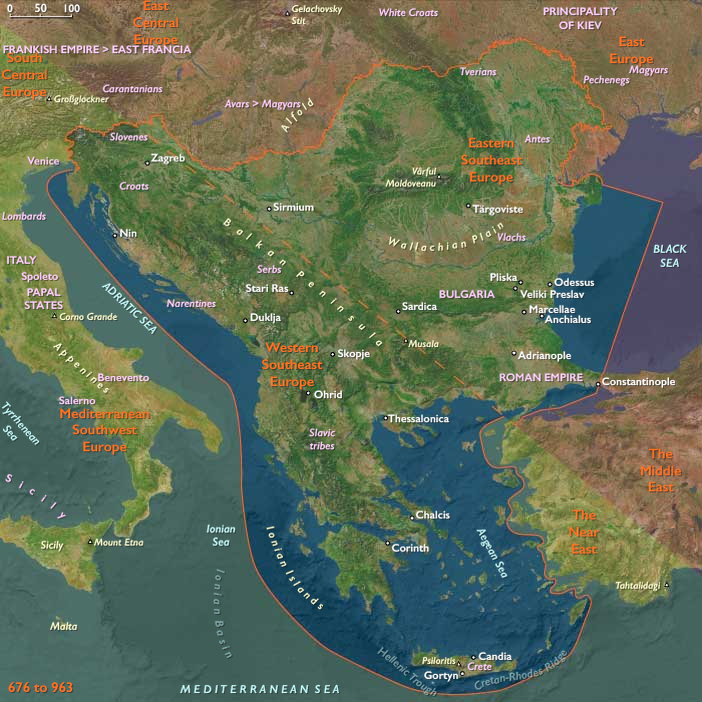
Subregions
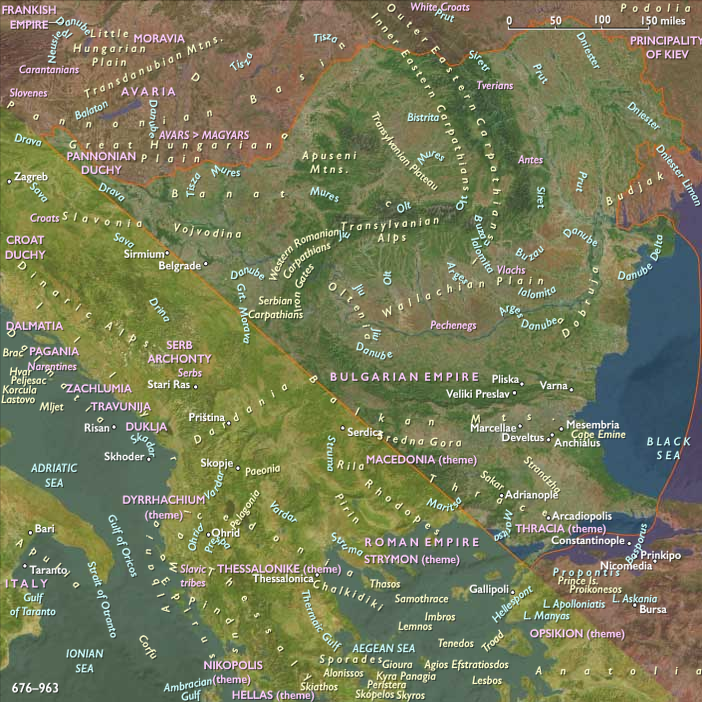
Years: 718 - 718
Locations
People
Groups
- Arab people
- Christians, Miaphysite (Oriental Orthodox)
- Christianity, Chalcedonian
- Umayyad Caliphate (Damascus)
- Bulgarian Empire (First)
- Roman Empire, Eastern: Isaurian dynasty
Topics
- Migration Period Pessimum
- Byzantine Papacy
- Arab-Byzantine Wars
- Byzantine-Bulgarian Wars
- Byzantine-Muslim War of 692-718
- Constantinople, Siege of (717–718)
Commodoties
Subjects
- Commerce
- Watercraft
- Environment
- Labor and Service
- Conflict
- Mayhem
- Faith
- Government
- Technology
- Theology
- Christology
Regions
Subregions