
The Formation of the Third Coalition and …
Years: 1805 - 1805
The Formation of the Third Coalition and the Battle of Trafalgar (1804–1805)
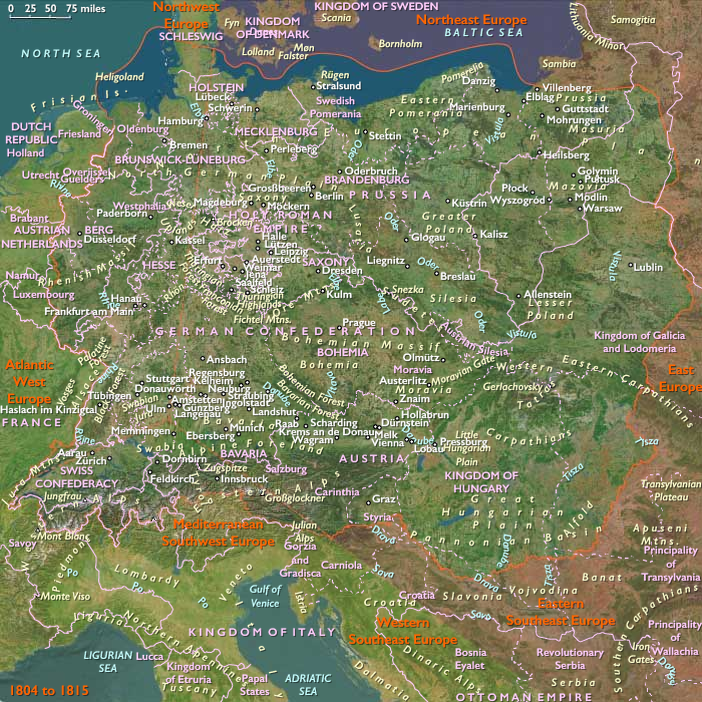
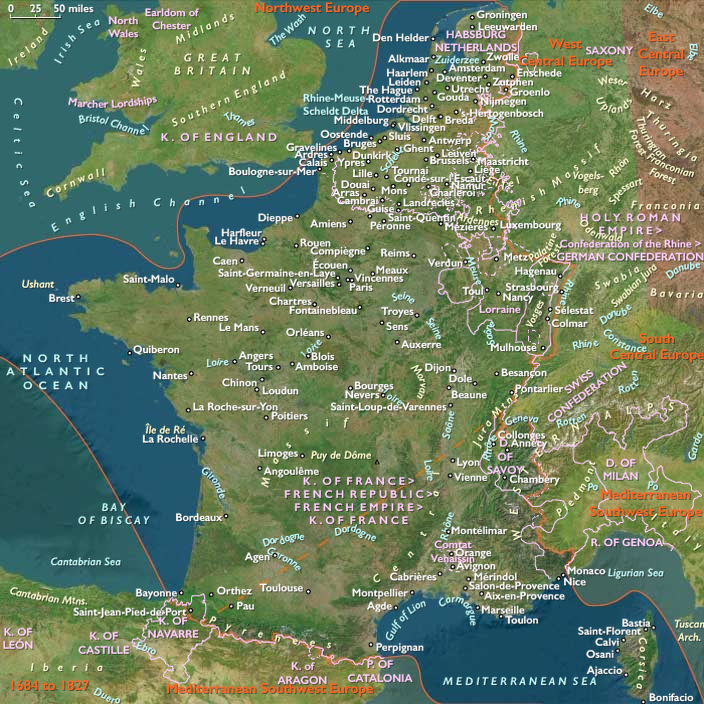
By 1804, Napoleon had declared himself Emperor of the French and was preparing for a full-scale invasion of Britain. In response, Britain assembled a new coalition of major European powers to counter French expansion on the continent.
The Formation of the Third Coalition (1805)
Britain, determined to continue the war against Napoleon, enlisted:
- Austria
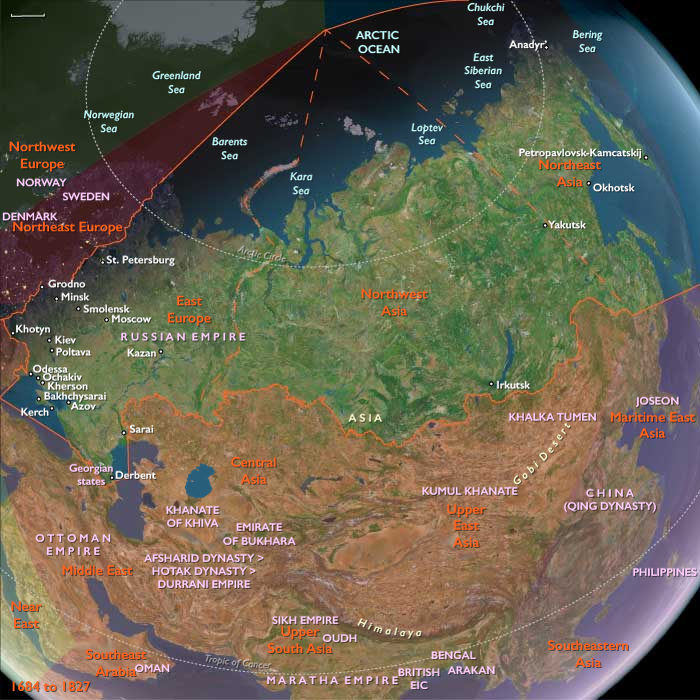
- Russia
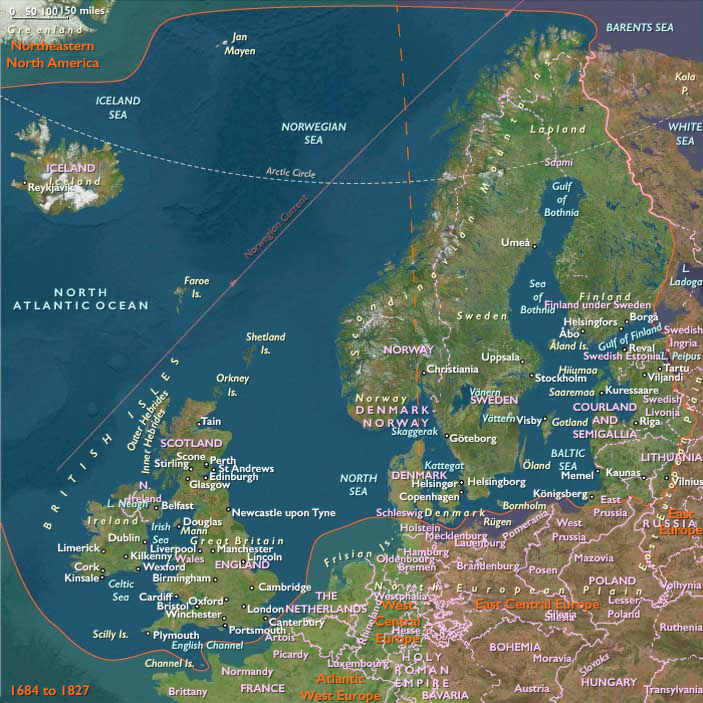
- Sweden
This Third Coalition aimed to contain France’s growing dominance and prevent Napoleon from establishing total control over Europe.
Spain Joins Napoleon – A Costly Alliance
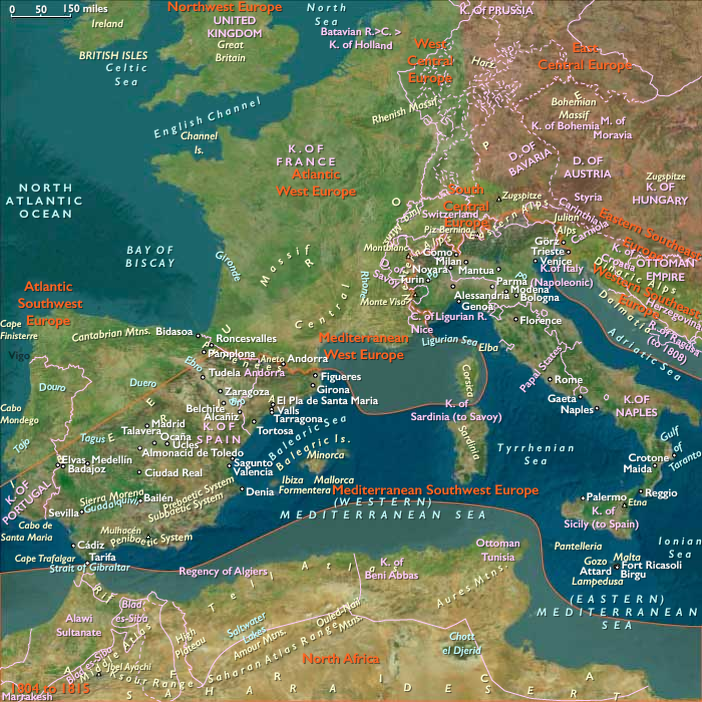
- On December 14, 1804, Spain formally declared war on Britain, aligning with Napoleon’s continental war effort.
- The Spanish government, led by Manuel de Godoy, hoped that an alliance with France would protect Spanish interests and reinforce Spain’s declining empire.
- Spain’s navy was merged with Napoleon’s, with a plan to unite with French fleets in the north for the planned invasion of Britain.
The Battle of Trafalgar (October 21, 1805) – The Shattering of Franco-Spanish Naval Power
- The British fleet, under Admiral Horatio Nelson, intercepted the combined Franco-Spanish fleet as it attempted to break out from Cádiz.
- In a decisive engagement off Cape Trafalgar, the British:
- Destroyed or captured 22 of the 33 enemy ships.
- Did not lose a single ship themselves.
- Inflicted heavy losses on the French and Spanish, effectively eliminating Napoleon’s naval capabilities.
- Nelson was killed in battle, but his victory ensured British naval supremacy for the remainder of the Napoleonic Wars.
Strategic Consequences – Britain Secures Control of the Seas
- Napoleon’s invasion of Britain was permanently abandoned, as he no longer had a navy capable of challenging the Royal Navy.
- Spain’s position in the war weakened, and Godoy’s government began doubting its alliance with Napoleon, recognizing that the Franco-Spanish fleet could not protect Spanish interests.
- Britain’s victory secured its dominance over world trade and maritime warfare, allowing it to expand its war effort globally while Napoleon focused on continental Europe.
Conclusion – The War Moves to the Continent
While Britain controlled the seas, Napoleon turned his focus to land warfare, leading to his greatest victory at Austerlitz in December 1805. However, the Battle of Trafalgar ensured that Napoleon could never directly threaten Britain, forcing him to seek new ways to weaken his greatest rival—primarily through the Continental System and economic warfare.
People
Groups
- Austria, Archduchy of
- Sweden, (second) Kingdom of
- Spain, Bourbon Kingdom of
- Britain, Kingdom of Great
- Russian Empire
- French First Republic
- Austrian Empire
Topics
- French Revolutionary Wars, or “Great French War”
- Anglo-Spanish War (1796–1808)
- Third Coalition, War of the
Subjects
Regions
Subregions
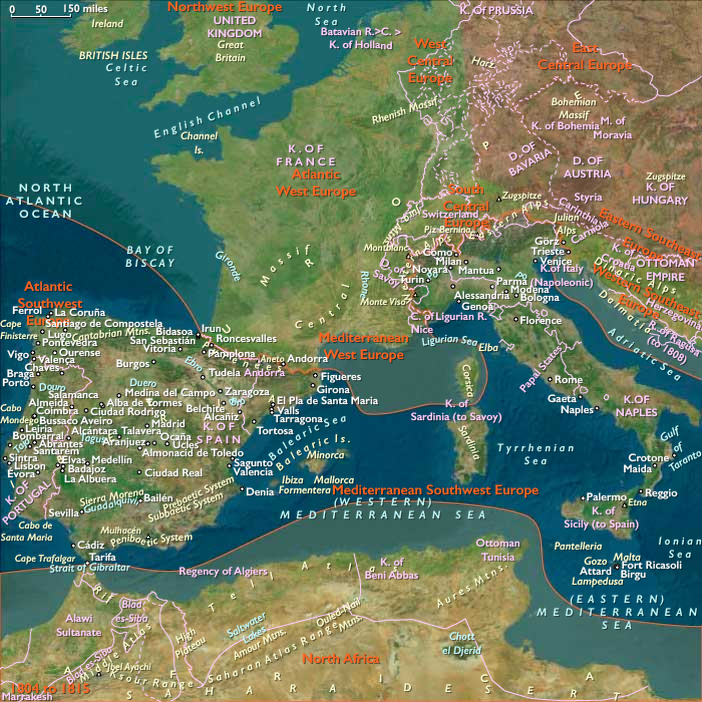
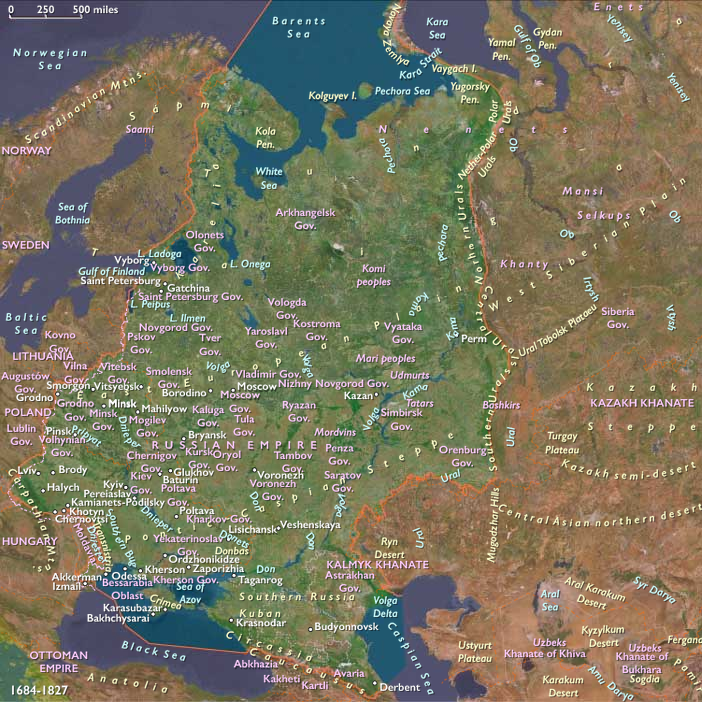
- East Europe
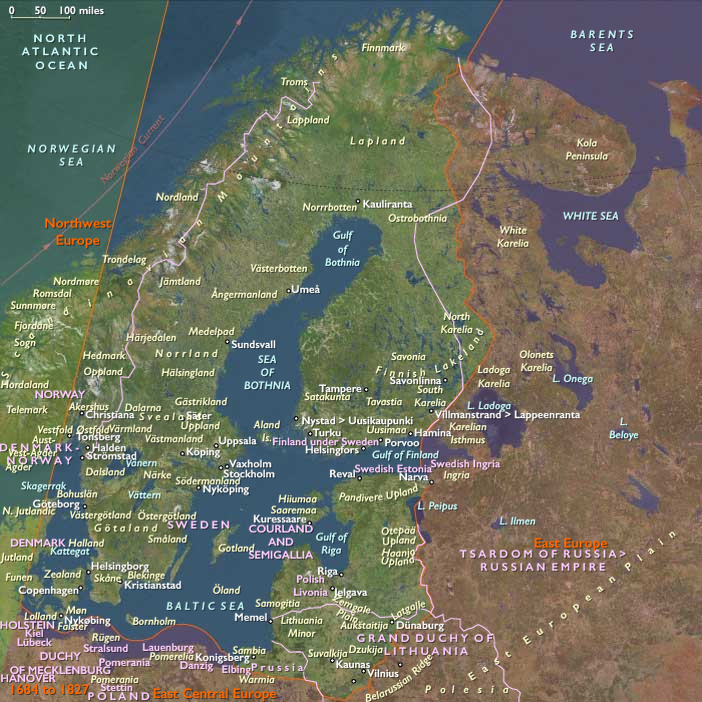
- Northeast Europe
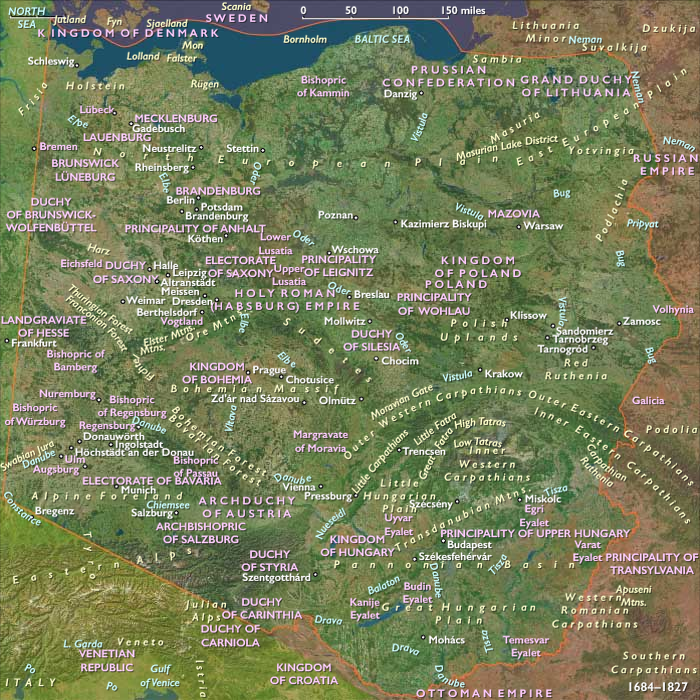
- East Central Europe
- Mediterranean West Europe
- Mediterranean Southwest Europe
- Atlantic Southwest Europe
- Atlantic West Europe
- Northwest Europe
Related Events
Showing 10 events out of 22216 total
Years: 1805 - 1805
People
Groups
- Austria, Archduchy of
- Sweden, (second) Kingdom of
- Spain, Bourbon Kingdom of
- Britain, Kingdom of Great
- Russian Empire
- French First Republic
- Austrian Empire
Topics
- French Revolutionary Wars, or “Great French War”
- Anglo-Spanish War (1796–1808)
- Third Coalition, War of the
Subjects
Regions
Subregions
- East Europe
- Northeast Europe
- East Central Europe
- Mediterranean West Europe
- Mediterranean Southwest Europe
- Atlantic Southwest Europe
- Atlantic West Europe
- Northwest Europe