
…the Andalusians (soon joined by what remains …
Years: 742 - 742
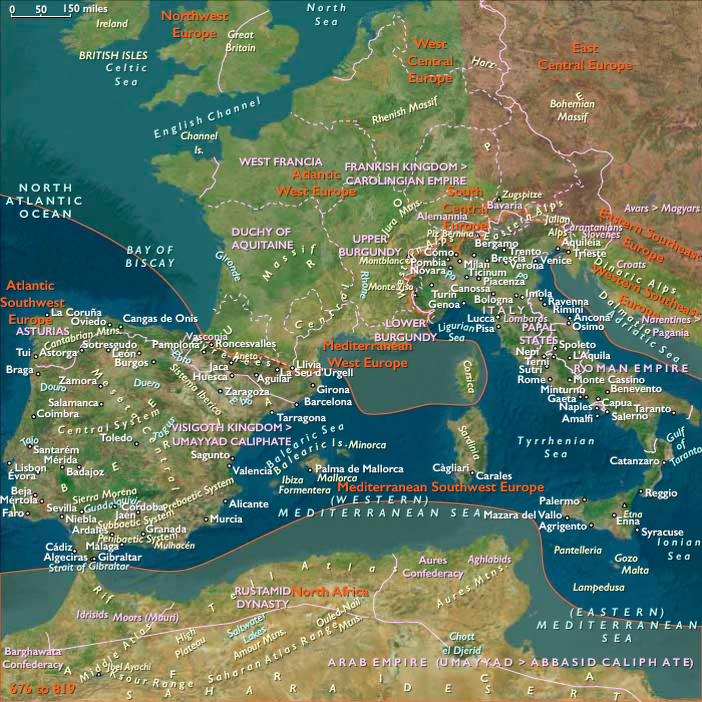
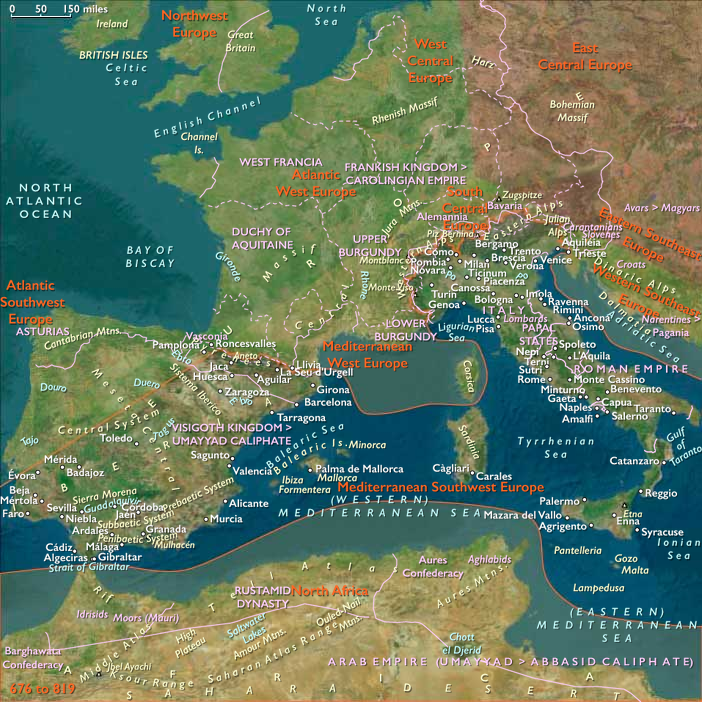
…the Andalusians (soon joined by what remains of the Berber rebels), assemble in Mérida.
Thalaba ibn Salama.
Much of the ensuing few months is spent in an intercenine Arab civil war, the Berber question relegated to a secondary concern.
Sometime in late 642 or early 643, Thalaba marches onto Mérida, an area of rebel activity, but soon finds himself trapped with his small army in the citadel by the Andalusians.
Calculating there is no escape, Andalusians carry the siege of Mérida in a leisurely fashion.
The siege camp soon takes on the character of a fair, attracting numerous onlookers and their families, but one early morning, when the besiegers are preparing for a much-anticipated festival, Thalaba launches an unexpected sally out of Mérida, and quickly overwhelms the siege camp, taking as many as ten thousand prisoners, including many women and children.
Thalaba marches his prisoners to Córdoba, where he is said to have sold many of the high-ranking Andalusian captives as discount-price slaves.
Locations
People
- Abd al-Malik ibn Katan al-Fihri
- Abd al-Rahman ibn Habib al-Fihri
- Balj ibn Bishr al-Qushayri
- Handhala ibn Safwan al-Kalbi
- Hisham ibn Abd al-Malik
- Obeid Allah ibn al-Habhab al-Mawsili
- Tha'laba ibn Salama al-Amili
- Yusuf ibn 'Abd al-Rahman al-Fihri
Groups
- Arab people
- Berber people (also called Amazigh people or Imazighen, "free men", singular Amazigh)
- Moors
- Miknasa (Zenata Berber tribe)
- Islam
- Muslims, Sunni
- Muslims, Kharijite
- Umayyad Caliphate (Damascus)
- Syrian people
- Ifriqiya, Ummayad
- al-Andalus (Andalusia), Muslim-ruled
- Barghawata Confederacy (Masmuda Berber tribal confederacy)
Topics
Commodoties
Subjects
Regions
Subregions
Years: 742 - 742
Locations
People
- Abd al-Malik ibn Katan al-Fihri
- Abd al-Rahman ibn Habib al-Fihri
- Balj ibn Bishr al-Qushayri
- Handhala ibn Safwan al-Kalbi
- Hisham ibn Abd al-Malik
- Obeid Allah ibn al-Habhab al-Mawsili
- Tha'laba ibn Salama al-Amili
- Yusuf ibn 'Abd al-Rahman al-Fihri
Groups
- Arab people
- Berber people (also called Amazigh people or Imazighen, "free men", singular Amazigh)
- Moors
- Miknasa (Zenata Berber tribe)
- Islam
- Muslims, Sunni
- Muslims, Kharijite
- Umayyad Caliphate (Damascus)
- Syrian people
- Ifriqiya, Ummayad
- al-Andalus (Andalusia), Muslim-ruled
- Barghawata Confederacy (Masmuda Berber tribal confederacy)
Topics
Commodoties
Subjects
Regions
Subregions