
The Spread of Indo-European Languages in Europe …
Years: 1053BCE - 910BCE
The Spread of Indo-European Languages in Europe (c. 1000 BCE)
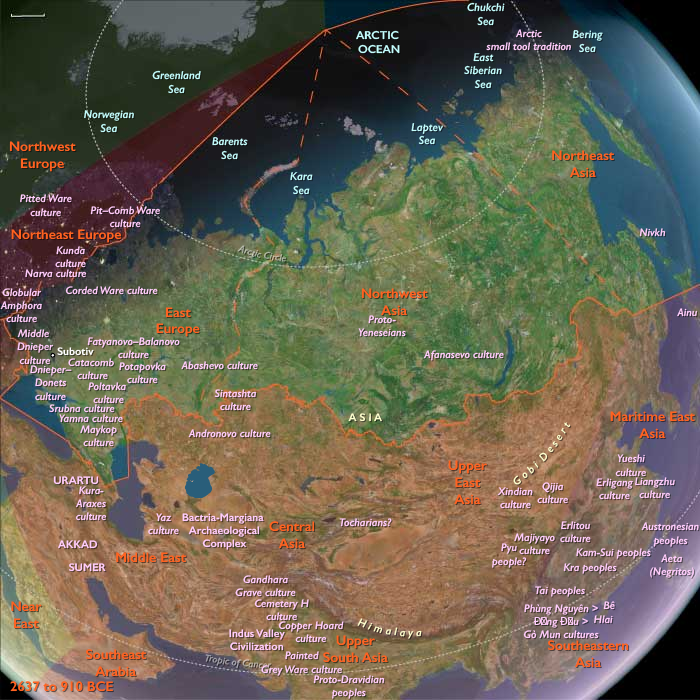
By 1000 BCE, Indo-European languages had become dominant across most of Europe, as various migrating and expanding groups introduced their dialects to existing populations. This linguistic expansion was closely tied to Bronze Age and early Iron Age migrations, influencing the development of later European cultures.
Indo-European Language Expansion
-
Western and Central Europe:
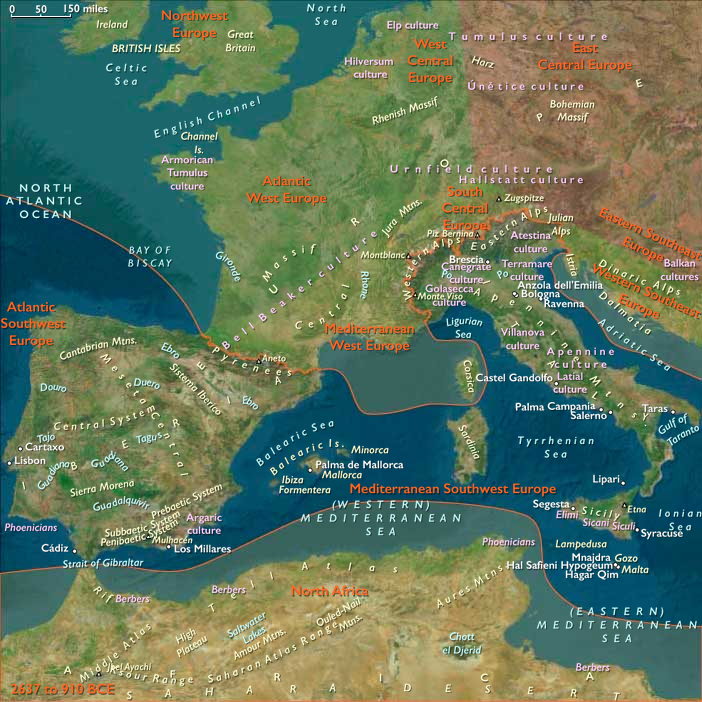
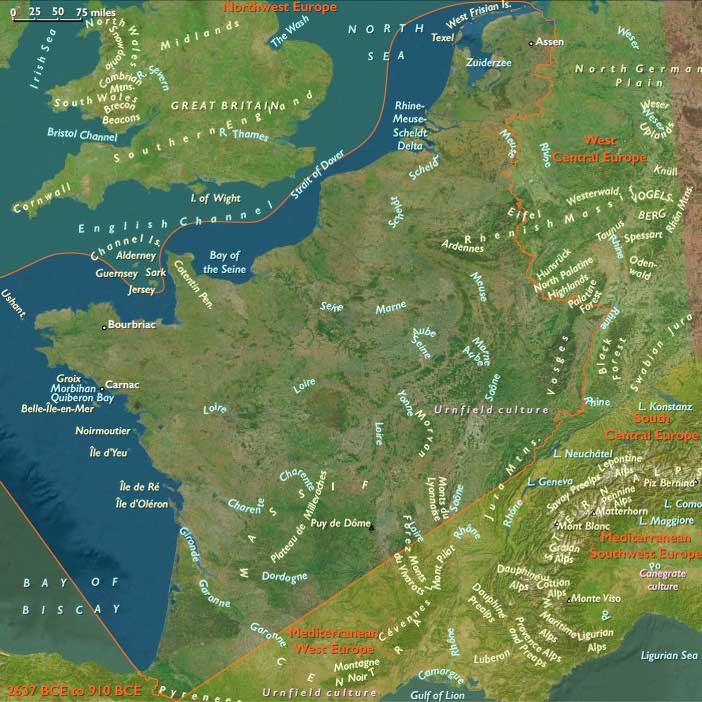
- Early Italic and Celtic-speaking groups expanded across the Alps and western regions, influencing later Latin and Celtic languages.
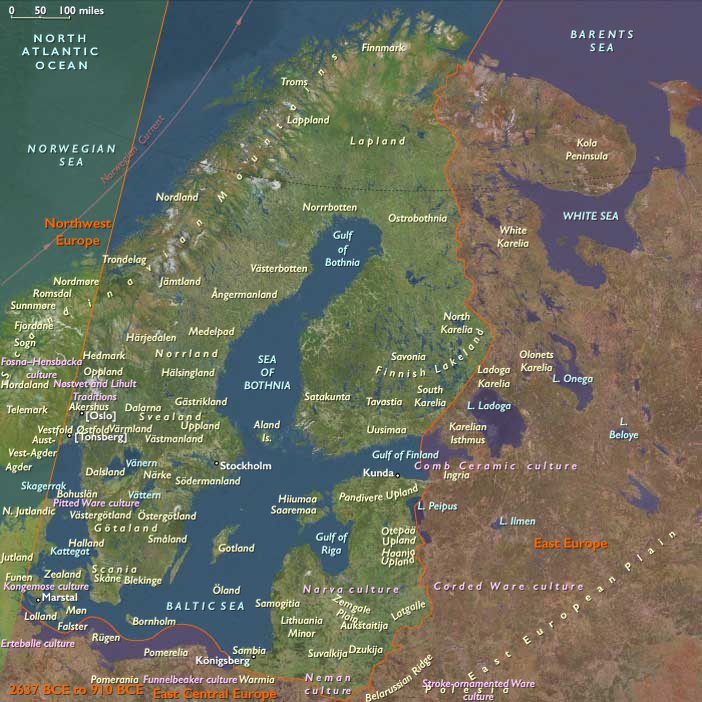
- Germanic-speaking peoples were emerging in northern Europe, laying the groundwork for later Scandinavian and Germanic linguistic traditions.
-
Eastern Europe and the Steppe:
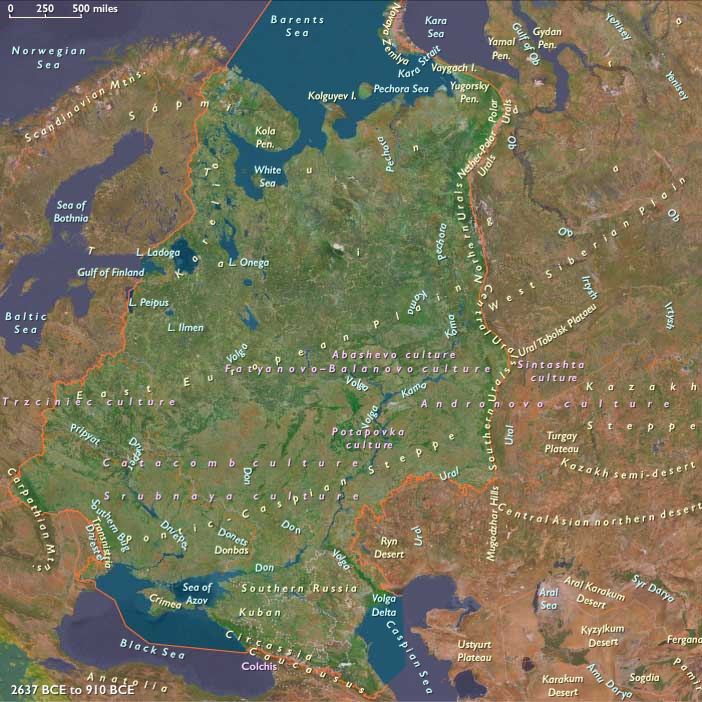
- Slavic and Baltic languages were developing in northern and eastern regions, though their distinct identities would emerge later.
- Iranian-speaking groups, such as the Cimmerians and Scythians, dominated the Pontic-Caspian steppe and parts of Eastern Europe.
Exceptions to the Indo-European Linguistic Expansion
Despite the widespread adoption of Indo-European dialects, several regions retained their distinct linguistic traditions:
-
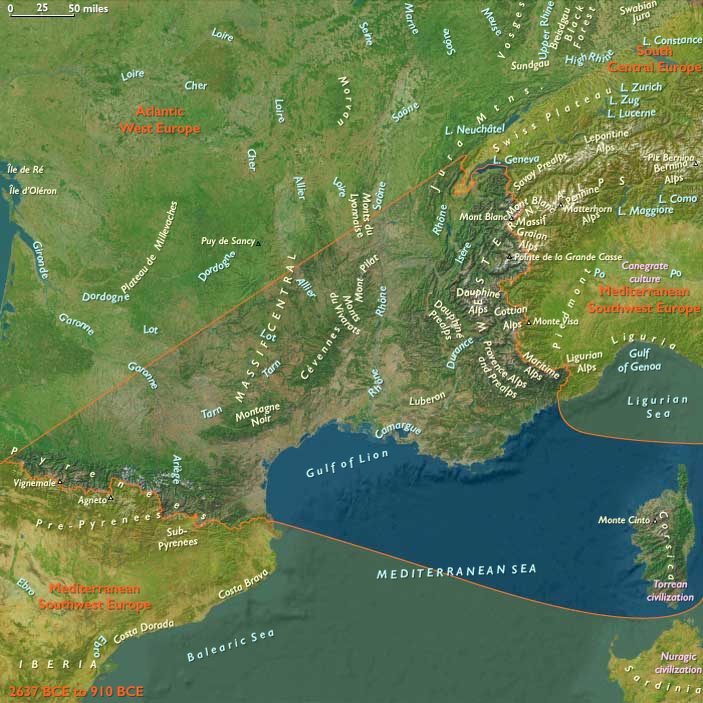
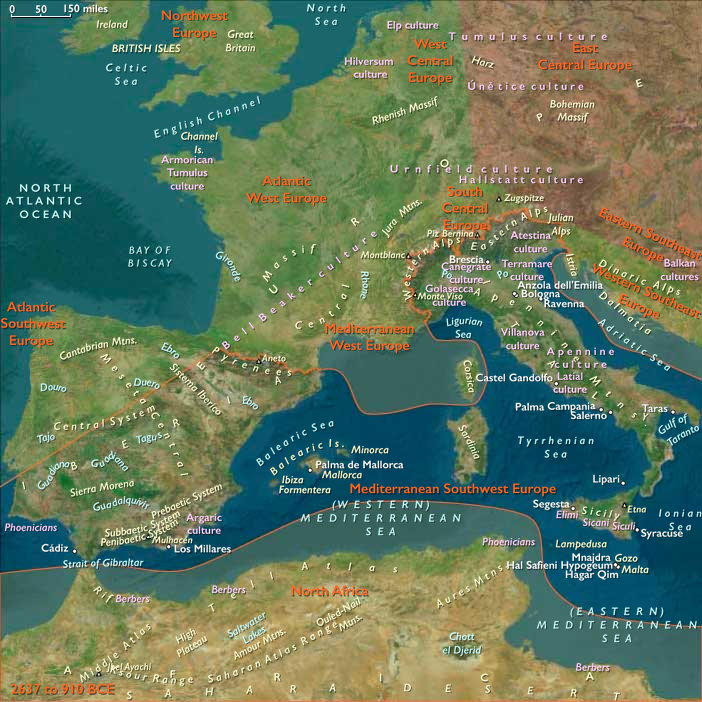
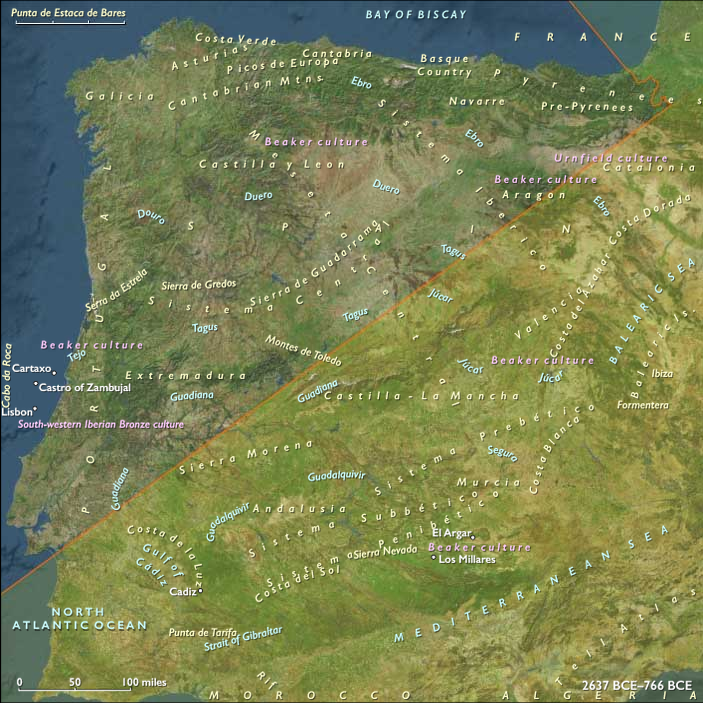
The Basques (Western Europe)
- The Basques of northern Spain and southwestern France maintained their non-Indo-European language, Euskara.
- Euskara has no known linguistic relatives, making it a unique linguistic isolate in Europe.
- The survival of Basque suggests continuity from pre-Indo-European populations, possibly tracing back to Paleolithic hunter-gatherers or early Neolithic cultures.
-
Caucasian-Speaking Peoples (Northwest and West of the Black Sea)
- Various groups in the Caucasus region and parts of Eastern Europe spoke Caucasian languages, which were unrelated to Indo-European.
- These languages persisted in areas where steppe migrations had less influence or where geographical barriers helped maintain linguistic isolation.
Significance of Linguistic Diversity in Ancient Europe
- The Indo-European expansion played a key role in shaping the linguistic landscape of Europe, influencing later Celtic, Italic, Germanic, Slavic, and Iranian cultures.
- The persistence of non-Indo-European languages, such as Basque and Caucasian languages, highlights the cultural resilience of some populations.
- These linguistic patterns laid the foundation for the diverse languages of Europe that would continue to evolve throughout the Iron Age and classical antiquity.
Thus, by 1000 BCE, Indo-European languages had become the dominant linguistic family in Europe, but isolated linguistic traditions—such as Basque and Caucasian languages—remained as surviving relics of Europe’s pre-Indo-European past.
Groups
Topics
Commodoties
Subjects
Regions
Subregions
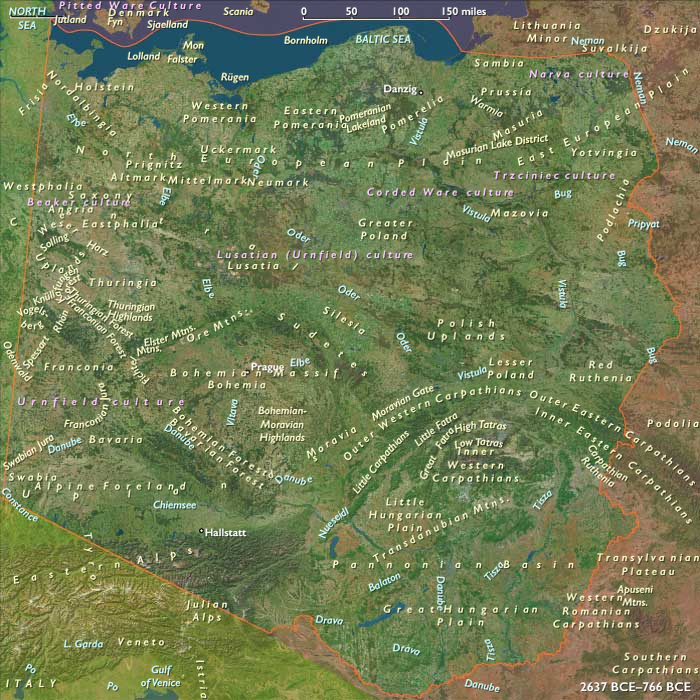
- East Europe
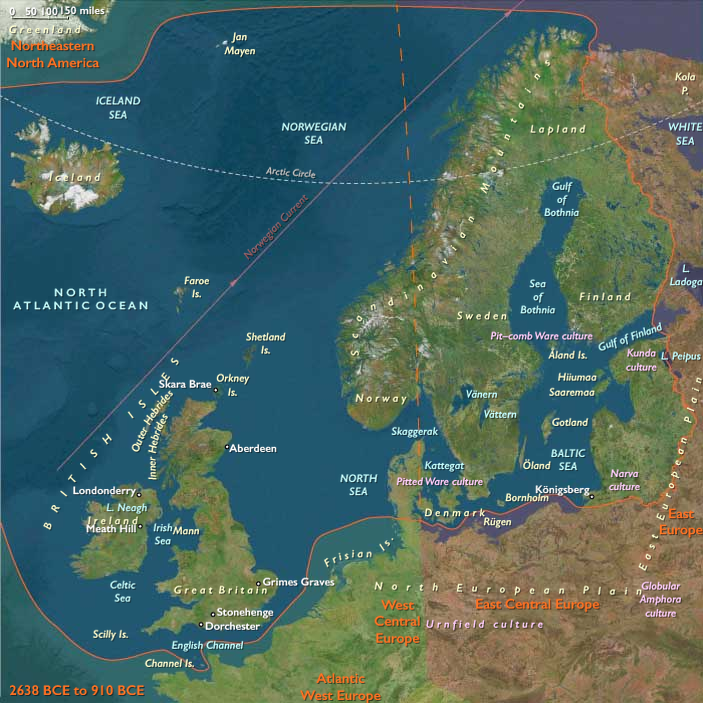
- Northeast Europe
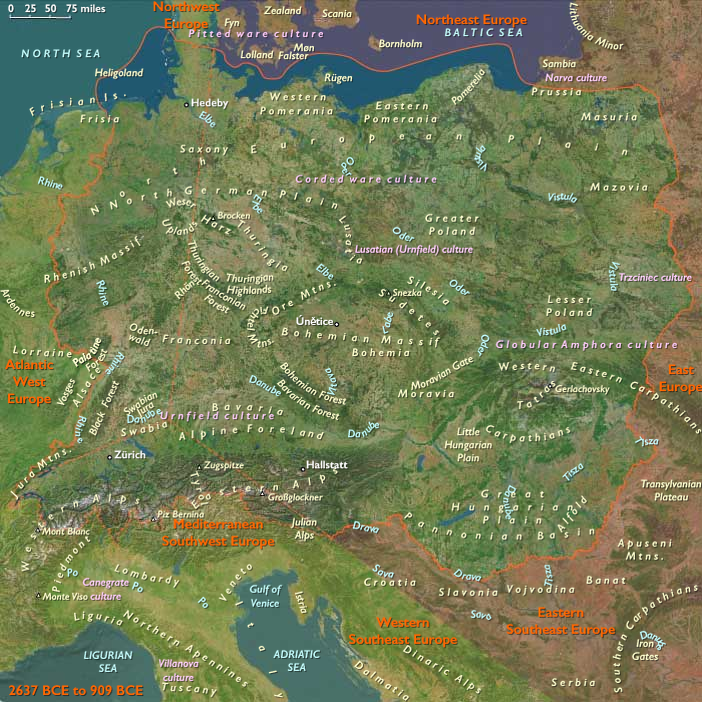
- East Central Europe
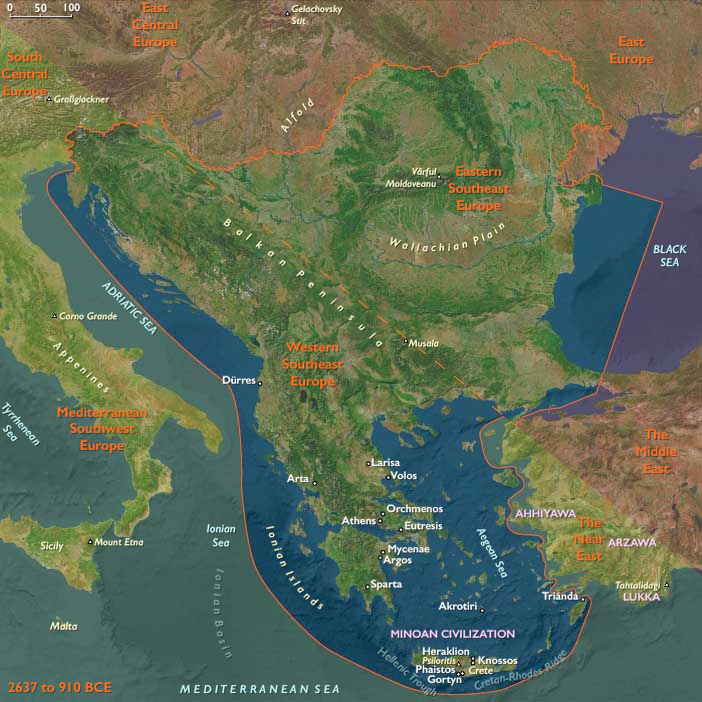
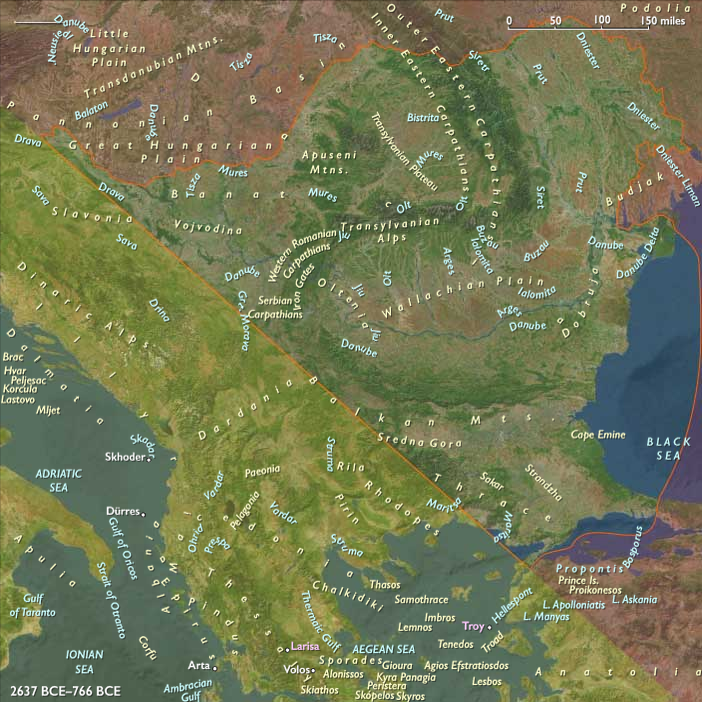
- Eastern Southeast Europe
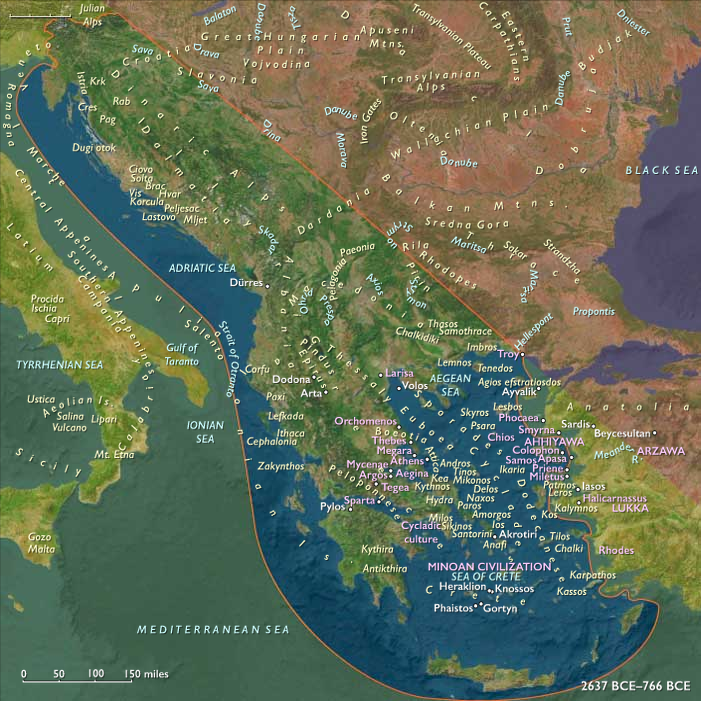
- Western Southeast Europe
- South Central Europe
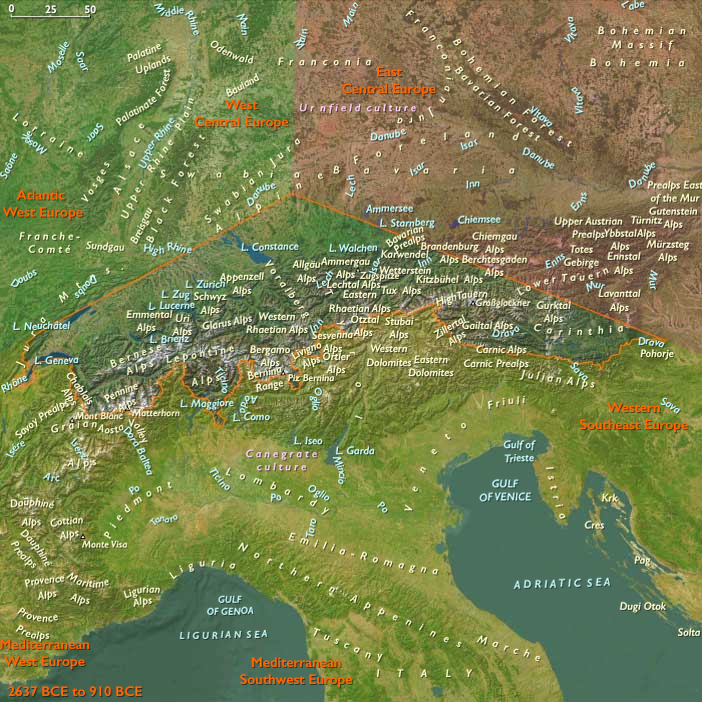
- Mediterranean West Europe
- Mediterranean Southwest Europe
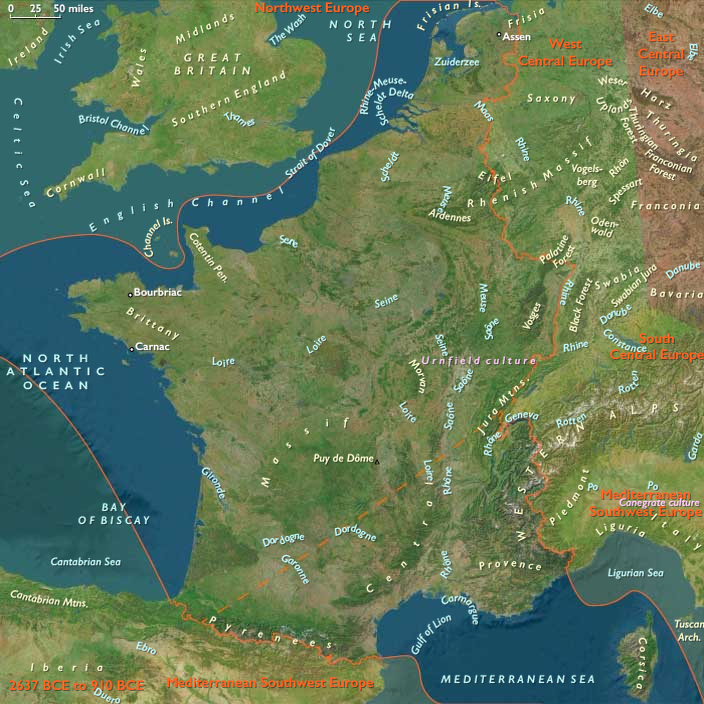
- Atlantic Southwest Europe
- Atlantic West Europe
- West Central Europe
- Northwest Europe
Related Events
Showing 10 events out of 67026 total
Years: 1053BCE - 910BCE
Groups
Topics
Commodoties
Subjects
Regions
Subregions
- East Europe
- Northeast Europe
- East Central Europe
- Eastern Southeast Europe
- Western Southeast Europe
- South Central Europe
- Mediterranean West Europe
- Mediterranean Southwest Europe
- Atlantic Southwest Europe
- Atlantic West Europe
- West Central Europe
- Northwest Europe