
The Treaty of Amiens (1802) – A …
Years: 1802 - 1802
The Treaty of Amiens (1802) – A Brief Peace in the Napoleonic Era
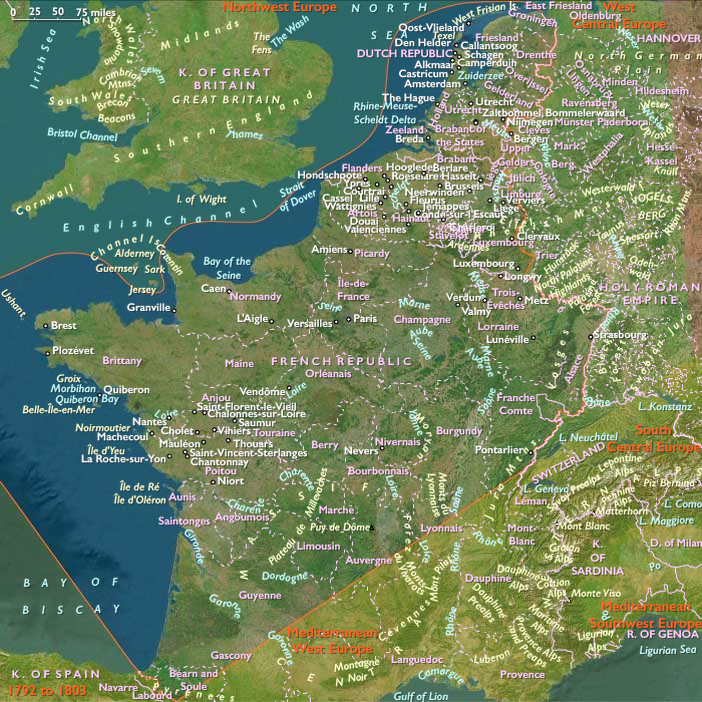
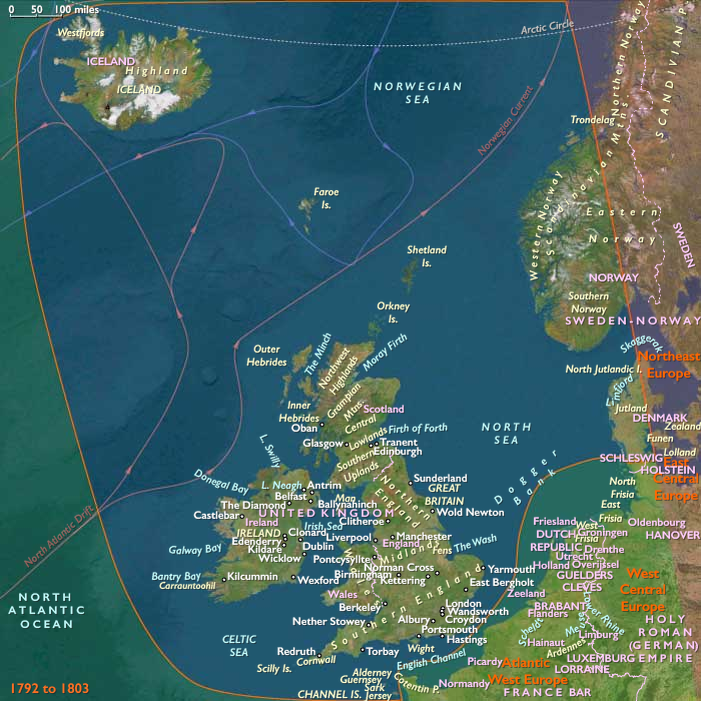
The Treaty of Amiens, signed on March 25, 1802, between Britain and France, officially ended the War of the Second Coalition, marking the only significant period of peace between 1792 and 1815. This treaty is often regarded as the transition point between the French Revolutionary Wars (1792–1802) and the Napoleonic Wars (1803–1815), although Napoleon would not declare himself Emperor until 1804.
Terms of the Treaty of Amiens
- Britain recognized France’s territorial gains in continental Europe.
- France agreed to withdraw from Naples and the Papal States, restoring their independence.
- Britain returned Egypt to the Ottoman Empire, following its victory over the French in 1801.
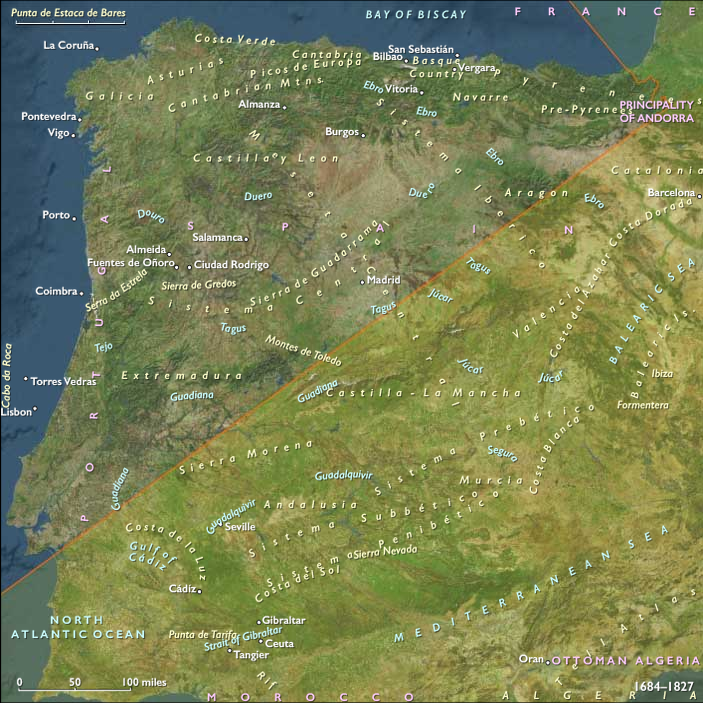
- France agreed to evacuate Portugal (though Spain retained Olivença).
- Britain returned most of its overseas conquests, including the Dutch Cape Colony, Martinique, and Guadeloupe.
- Malta was to be returned to the Knights of St. John, though this clause would later spark renewed conflict.
The Longest Peace of the Napoleonic Era (1802–1803)
For the first time in a decade, Britain and France were at peace, allowing both nations to recover from the immense strain of war. This was the longest break in hostilities during the period from 1792 to 1815, providing a brief interlude before Napoleon resumed his expansionist ambitions.
The Treaty’s Fragility – A Short-Lived Peace
Despite its significance, the Treaty of Amiens was unstable from the outset:
- Britain and France deeply distrusted each other, and neither side fully intended to uphold all terms of the treaty.
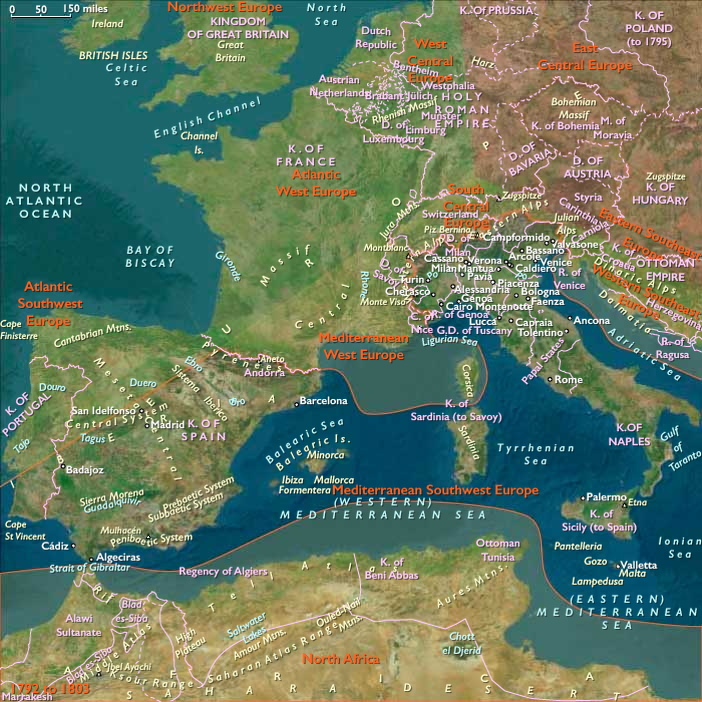
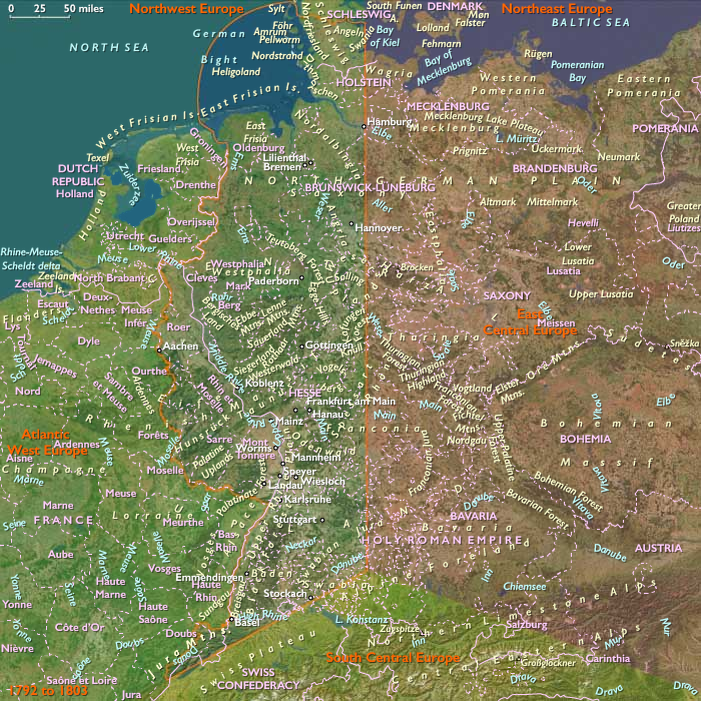
- Napoleon expanded French influence in Italy, Germany, and Switzerland, violating the spirit of the agreement.
- Britain refused to evacuate Malta, a key point of contention.
- France’s increased colonial ambitions, including its expedition to Saint-Domingue, worried the British government.
A Prelude to the Napoleonic Wars
The Treaty of Amiens ultimately provided only a temporary pause in hostilities. By May 1803, tensions between Britain and France had escalated once again, leading to Britain’s declaration of war and the start of the Napoleonic Wars.
Though Napoleon would not be crowned Emperor until 1804, the Treaty of Amiens is widely seen as the turning point between the French Revolutionary Wars and the Napoleonic Wars, marking the end of ideological revolutionary conflict and the beginning of Napoleon’s imperial ambitions.
Groups
- Austria, Archduchy of
- Ottoman Empire
- Denmark-Norway, Kingdom of
- Habsburg Monarchy, or Empire
- Spain, Bourbon Kingdom of
- French First Republic
- Britain (United Kingdom of Great Britain and Ireland)
Topics
- French Revolutionary Wars, or “Great French War”
- Second Coalition, War of the
- French Revolutionary Wars: Campaigns of 1802
Subjects
Regions
Subregions
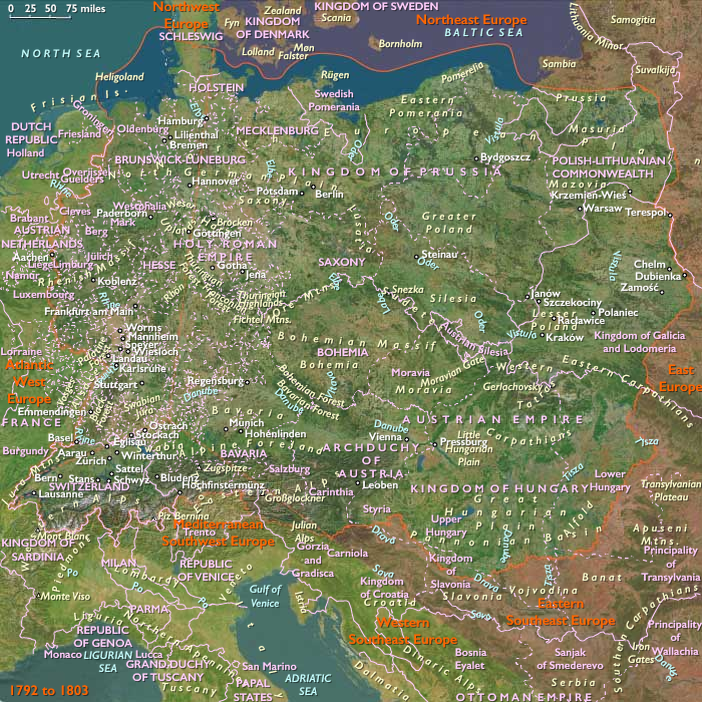
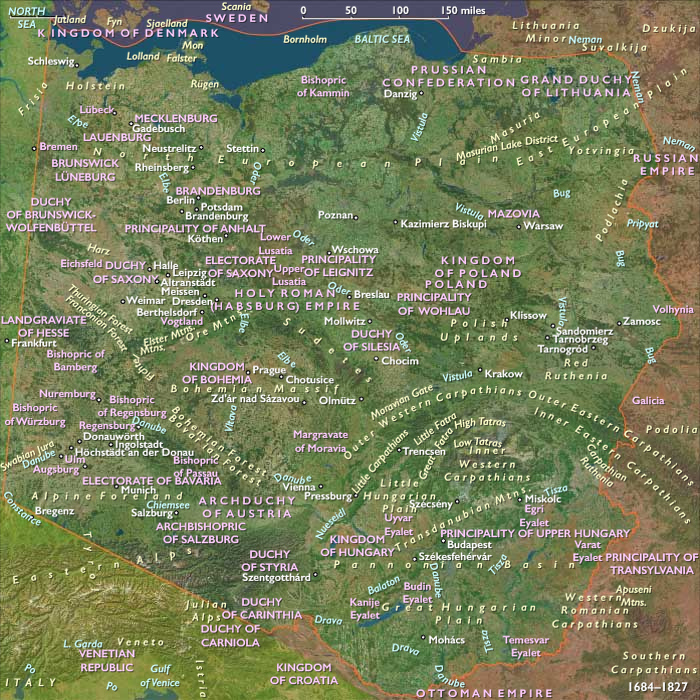
- East Central Europe
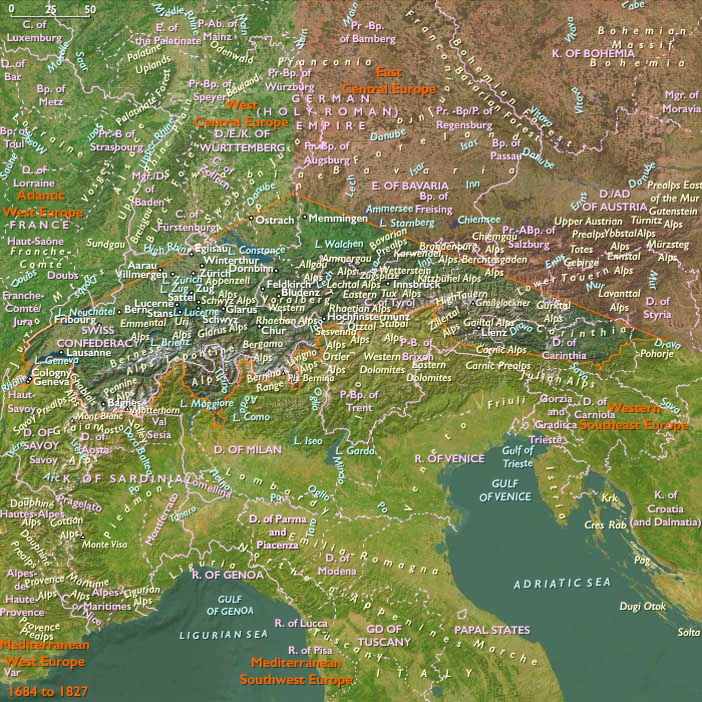
- South Central Europe
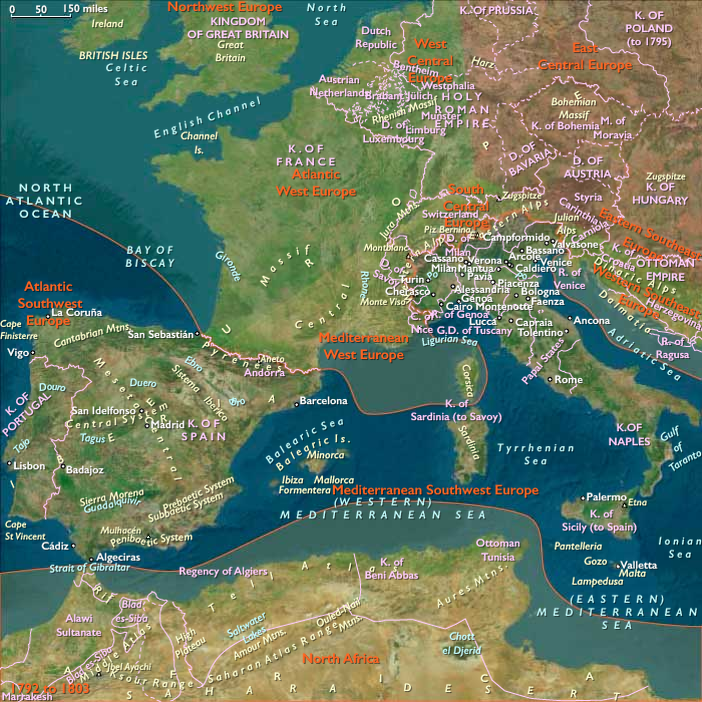
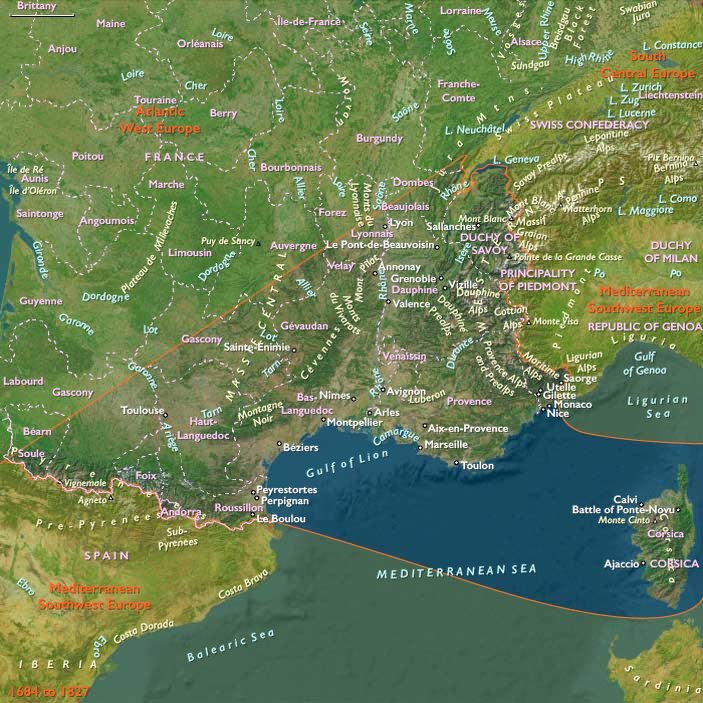
- Mediterranean West Europe
- Mediterranean Southwest Europe
- Atlantic Southwest Europe
- Atlantic West Europe
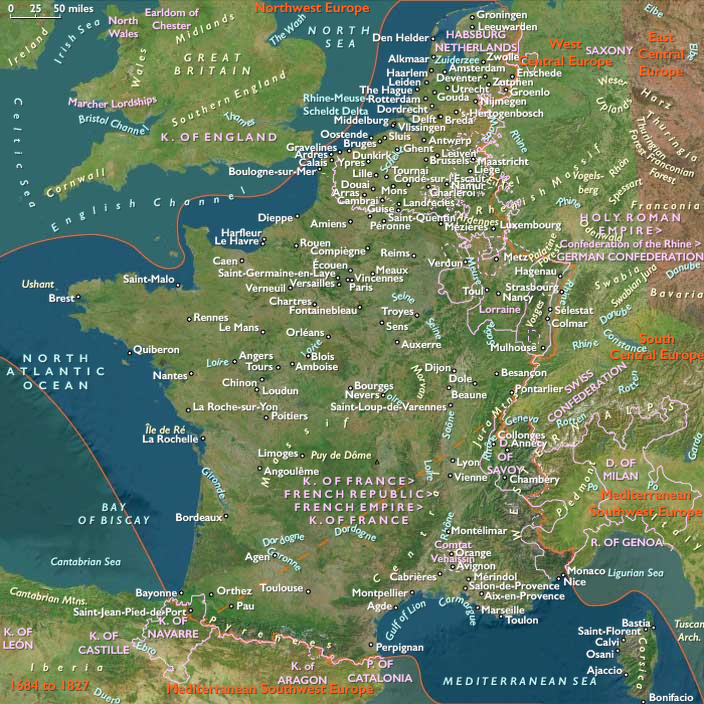
- West Central Europe
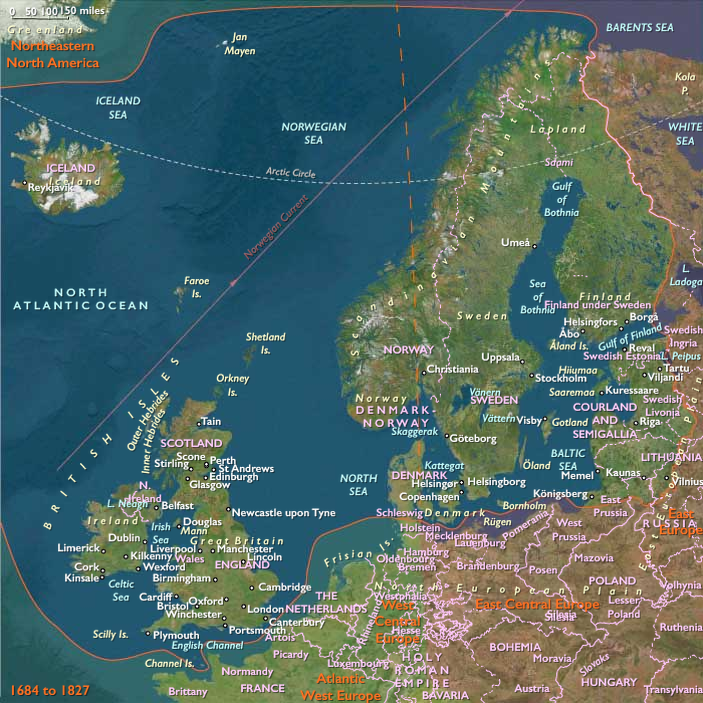
- Northwest Europe
Related Events
Showing 10 events out of 22648 total
Years: 1802 - 1802
Groups
- Austria, Archduchy of
- Ottoman Empire
- Denmark-Norway, Kingdom of
- Habsburg Monarchy, or Empire
- Spain, Bourbon Kingdom of
- French First Republic
- Britain (United Kingdom of Great Britain and Ireland)
Topics
- French Revolutionary Wars, or “Great French War”
- Second Coalition, War of the
- French Revolutionary Wars: Campaigns of 1802
Subjects
Regions
Subregions
- East Central Europe
- South Central Europe
- Mediterranean West Europe
- Mediterranean Southwest Europe
- Atlantic Southwest Europe
- Atlantic West Europe
- West Central Europe
- Northwest Europe