
The acceptance by the Seljuqs of Rüm …
Years: 1117 - 1117
The acceptance by the Seljuqs of Rüm of a truce with Constantinople permits the empire to reclaim all the coastal areas by 1117.
Imperial prestige is higher than it has been for many years, but the empire can barely afford to sustain the part of a great power.
Alexios has reconstituted the army and recreated the fleet, but only by means of stabilizing the gold coinage at one-third of its original value and by imposing a number of supplementary taxes.
It has become normal practice for taxes to be farmed out, which means that the collectors recoup their outlay on their own terms.
People in the provinces have the added burden of providing materials and labor for defense, communications, and provisions for the army, which now includes very large numbers of foreigners.
The supply of native soldiers has virtually ceased with the disappearance or absorption of their military holdings.
Alexios promotes an alternative source of native manpower by extending the system of granting estates in pronoia (by favor of the emperor) and tying the grant to the military obligation.
The recipient of a pronoia is entitled to all the revenues of his estate and to the taxes payable by his tenants (paroikoi), on condition of equipping himself as a mounted cavalryman with a varying number of troops.
He is in absolute possession of his property until it reverts to the crown upon his death.
Similarly, Alexios tries to promote more profitable development of the estates of the church by granting them to the management of laymen as charistikia or benefices.
As an expedient, the pronoia system has advantages both for the state and for the military aristocracy who are its main beneficiaries, but in the long term, it will hasten the fragmentation of the empire among the landed families and the breakdown of centralized government that the tenth-century emperors had labored to avert.
Locations
People
Groups
- Greeks, Medieval (Byzantines)
- Turkmen people
- Roman Empire, Eastern: Komnenos dynasty, restored
- Rûm, Sultanate of
Topics
Commodoties
Subjects
Regions
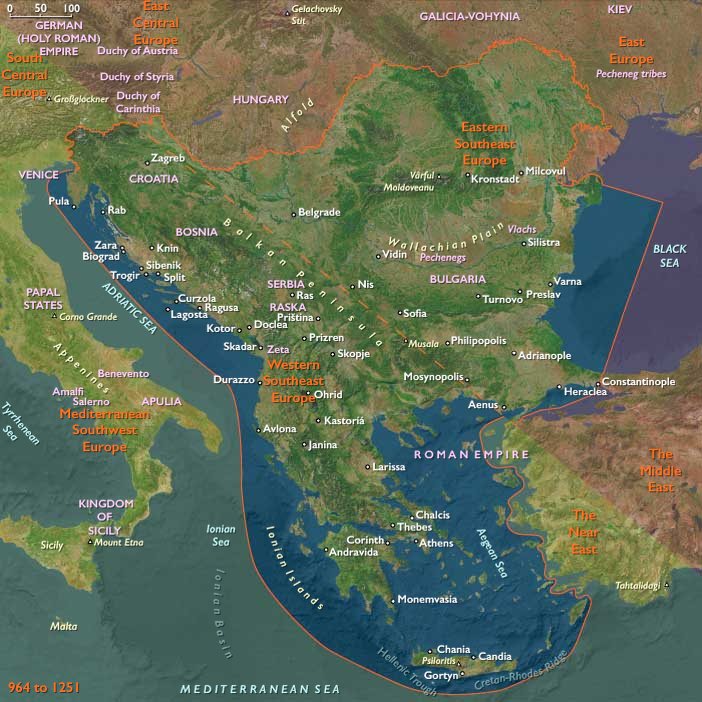
Subregions
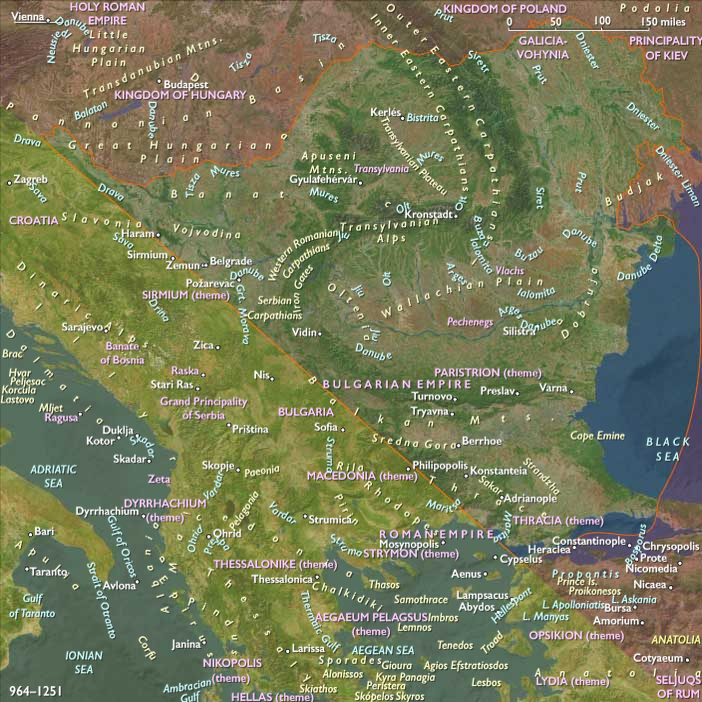
Related Events
Showing 10 events out of 49424 total
Years: 1117 - 1117
Locations
People
Groups
- Greeks, Medieval (Byzantines)
- Turkmen people
- Roman Empire, Eastern: Komnenos dynasty, restored
- Rûm, Sultanate of
Topics
Commodoties
Subjects
Regions
Subregions