
Defended Neolithic Settlements and Strategic Adaptations (c. …
Years: 3933BCE - 3790BCE
Defended Neolithic Settlements and Strategic Adaptations (c. 3800 BCE)
By 3800 BCE, Neolithic settlers strategically established their communities in easily defensible locations, such as riverbanks, plateaus, and swamps. This period saw a growing emphasis on security and communal defense, as evidenced by the construction of fortifications and specialized dwellings.
Fortified Settlements and Defensive Structures
-
Many Neolithic villages were reinforced with:
- Wooden palisades, serving as protective barriers.
- Earth embankments and ditches, adding layers of defense.
- Elevated or isolated locations, reducing vulnerability to raids.
-
These fortifications suggest an increasing concern for security, possibly due to inter-group conflicts, competition for resources, or population pressures.
Pile Dwellings in Shallow Lakes (Switzerland and Beyond)
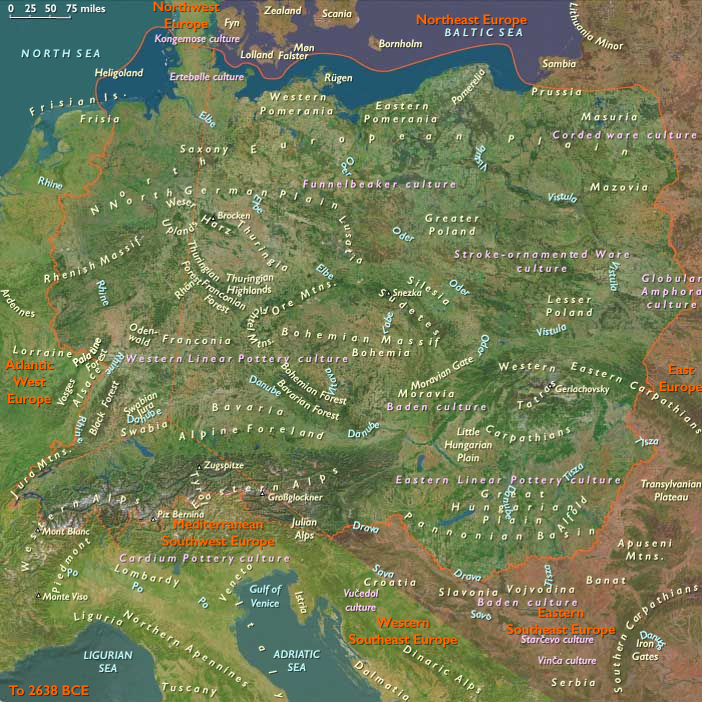
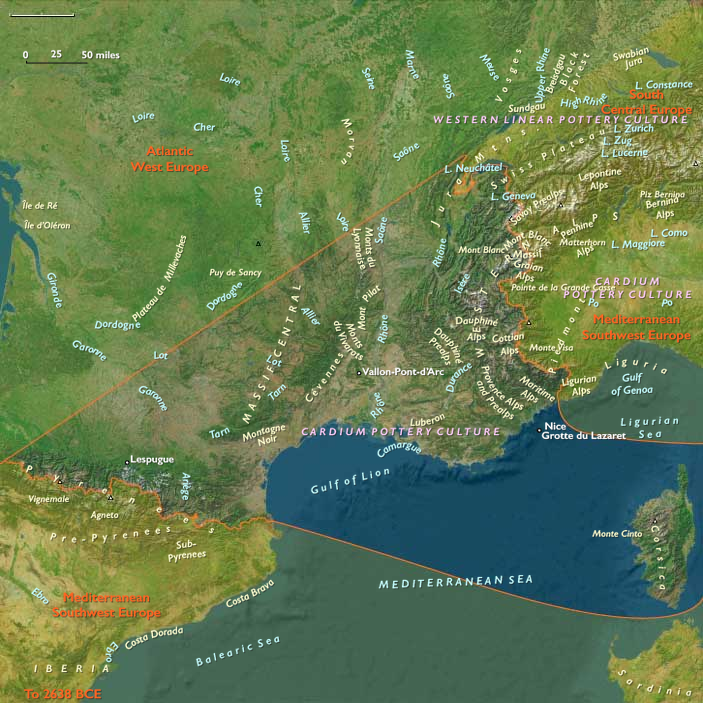
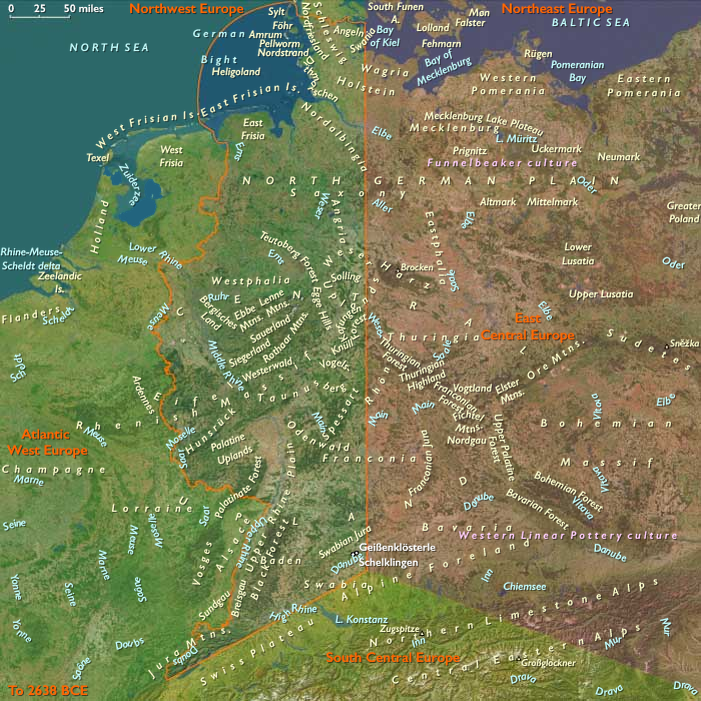
- Evidence of pile dwellings from this period has been found in shallow lake areas across present-day Switzerland, southern Germany, and northern Italy.
- These stilt houses, constructed above water, indicate early adaptations to aquatic environments, providing:
- Natural protection from potential threats.
- Access to fishing and wetland resources.
- Stability in flood-prone landscapes.
The Emergence of Defended Villages in Western Europe
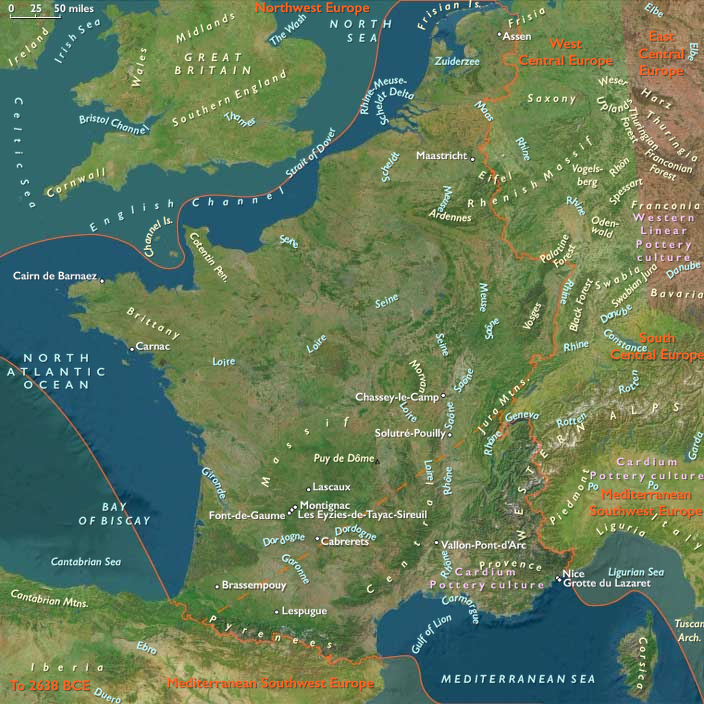
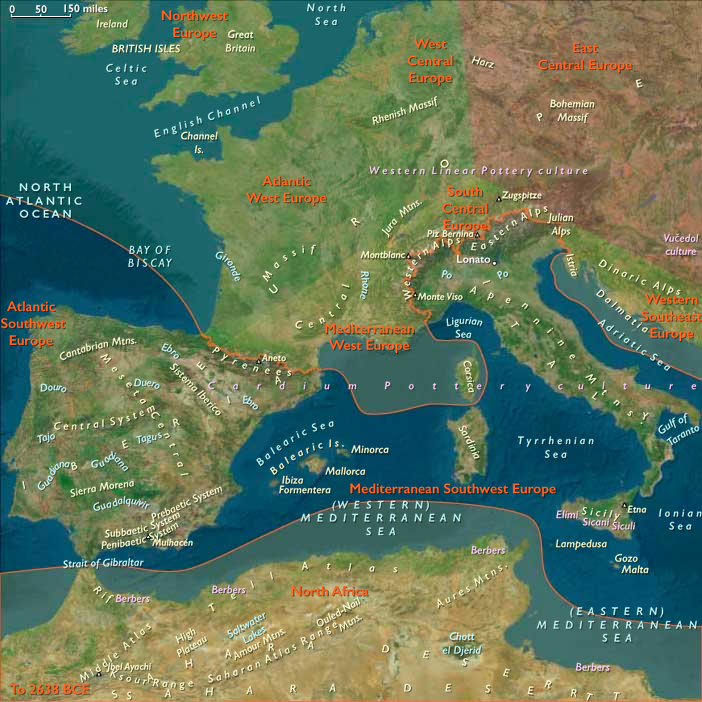
- Around the same time, fortified villages began to appear across Western Europe, reflecting an increasing need for security.
- Defensive settlements were found in regions such as:
- France (e.g., Causewayed enclosures).
- Britain (e.g., Early hilltop enclosures).
- Central and Eastern Europe (e.g., Lengyel culture enclosures).
These developments highlight a significant shift in Neolithic social organization, where permanent settlements, resource management, and defensive strategies became essential for survival and community stability. The rise of fortified settlements marks a key step toward the more complex societies of the later Neolithic and early Bronze Age.
Topics
Commodoties
Subjects
Regions
Subregions
- Middle East
- Near East
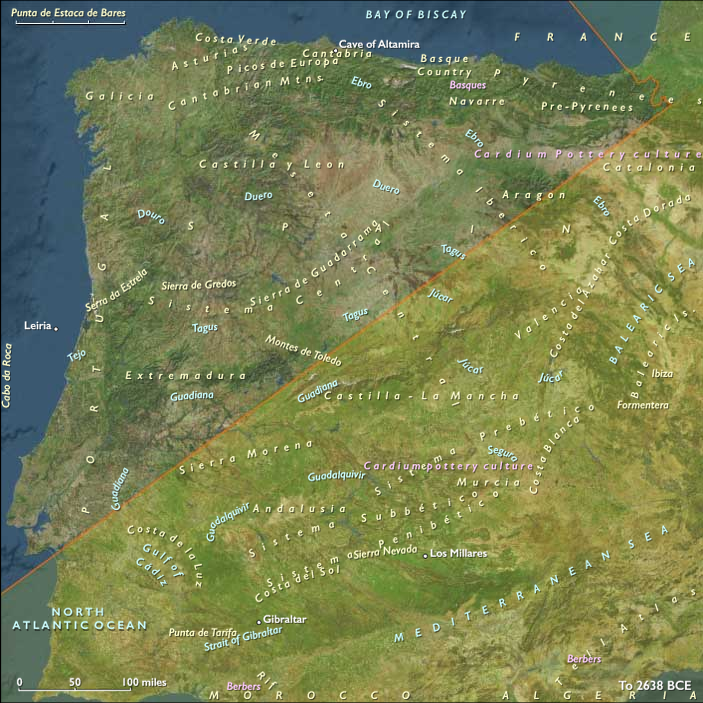
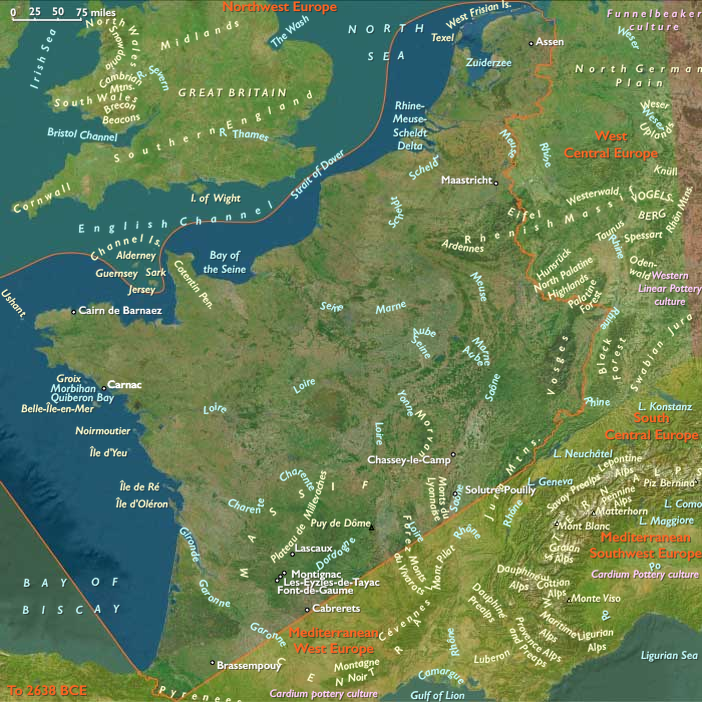
- Mediterranean West Europe
- Mediterranean Southwest Europe
- Atlantic Southwest Europe
- Atlantic West Europe
- West Central Europe

Years: 3933BCE - 3790BCE
Topics
Commodoties
Subjects
Regions
Subregions
- Middle East
- Near East
- Mediterranean West Europe
- Mediterranean Southwest Europe
- Atlantic Southwest Europe
- Atlantic West Europe
- West Central Europe