
Filters:
The Execution of Jacques de Molay and …
Years: 1314 - 1314
March
The Execution of Jacques de Molay and the Final Suppression of the Templars (1314)
By 1314, after years of persecution, the last leaders of the Knights Templar, including Grand Master Jacques de Molay, faced their final trial under King Philip IV of France. Despite enduring years of imprisonment and forced confessions under torture, de Molay and other Templar leaders retracted their confessions, declaring both their own innocence and that of the order.
Philip IV’s Response: The Burning of the Templar Leaders
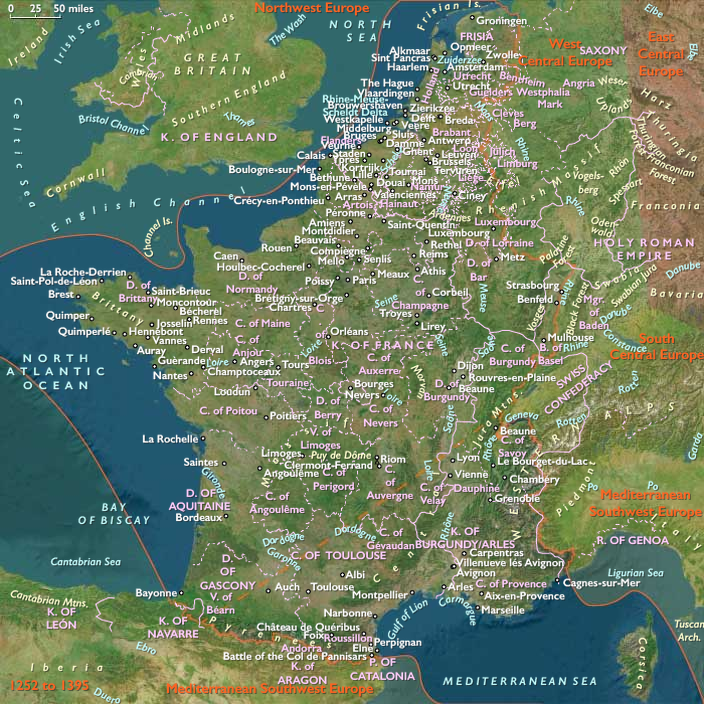
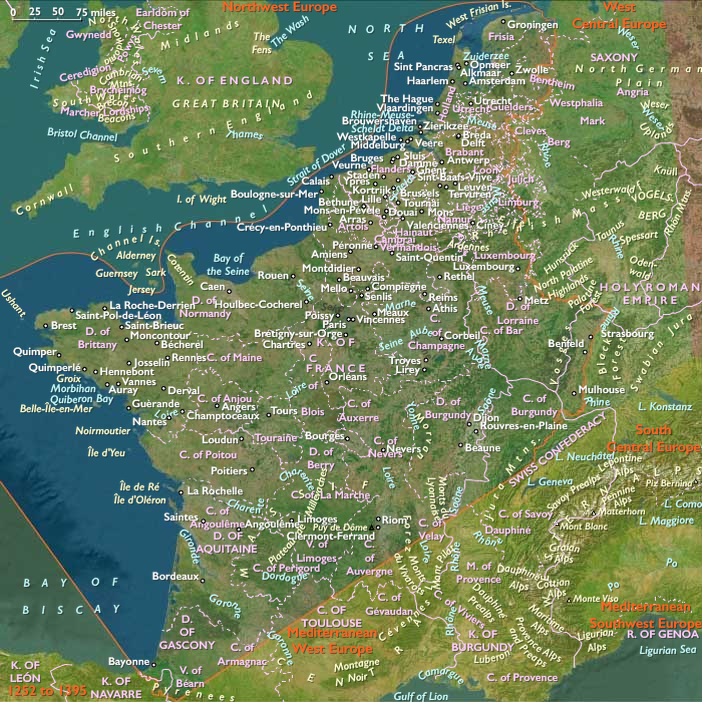
- On March 18, 1314, in Paris, Jacques de Molay and Geoffroi de Charney (Preceptor of Normandy) were publicly burned at the stake on an island in the Seine River, near the Île de la Cité.
- Their execution was meant as a final display of royal power, preventing any further challenges to the verdict against the Templars.
- According to legend, as he was being burned, de Molay cursed Philip IV and Pope Clement V, summoning them to divine judgment within a year—both men indeed died within months of his execution.
The Fate of the Templars’ Holdings
- The Templars' vast estates and wealth, though heavily sought after, did not directly enrich Philip IV.
- Many of their landholdings and assets were transferred to the Knights Hospitaller, another military order that remained in papal favor.
- Some Templar properties were absorbed by secular rulers, particularly in Spain and Portugal, where remnants of the order continued to operate under new names.
- The French Crown, despite orchestrating the suppression of the Templars, gained little financially from their downfall.
Legacy of the Templars’ Suppression
- The destruction of the Knights Templar removed one of the most powerful institutions of medieval Christendom, marking a shift in power from military orders to centralized monarchies.
- The brutality of Philip IV’s campaign against the Templars is remembered as one of the most cynical acts of royal opportunism in medieval history.
- The mystique surrounding the Templars’ fate has fueled centuries of legends, conspiracy theories, and speculation about hidden treasures and secret survival of the order.
The burning of Jacques de Molay on March 18, 1314, was the final act in Philip IV’s ruthless suppression of the Templars, ensuring their destruction as an institution but securing their place in legend.
Locations
People
Groups
- France, (Capetian) Kingdom of
- Christians, Roman Catholic
- Templar, Knights (Poor Knights of Christ and of the Temple of Solomon)
Subjects
Regions
Subregions
Years: 1314 - 1314
March
Locations
People
Groups
- France, (Capetian) Kingdom of
- Christians, Roman Catholic
- Templar, Knights (Poor Knights of Christ and of the Temple of Solomon)
Subjects
Regions
Subregions