
Swedish adventurer Ingvar the Far-Traveled makes a …
Years: 1042 - 1042
Swedish adventurer Ingvar the Far-Traveled makes a celebrated attempt to reopen the trade routes with the Muslim east.
Beside the Ingvar runestones, there are no extant Swedish sources that mention Ingvar, but there is Yngvar’s saga and three Icelandic annals that mention his death under the year 1041.
It is possible that it was King Anund Jakob or his brother and successor Emund the Old who mustered the Swedish leidang, a public levy of free farmers typical for medieval Scandinavians.
It is a form of conscription to organize coastal fleets for seasonal excursions and in defense of the realm.
The participants are evenly distributed along the husbys (royal estates), and twenty-four of the twenty-six Ingvar runestones are from Sweden (in the contemporary sense, i.e.
Svealand) and two from the Geatish district of Östergötland.
The people of Attundaland do not take part and this is probably done on purpose in order to keep a defensive army in Sweden, while the main force is away.
Anund Jacob is the brother of Ingegerd Olofsdotter, who is married to Yaroslav I of Novgorod and who had conquered Kiev in 1019 from his brother Sviatopolk.
This had been done with the help of Varangians, and according to Ingvar's saga, they had been led by Ingvar's father Eymund.
Yaroslav is currently having trouble with the Pechenegs, a nomad tribe.
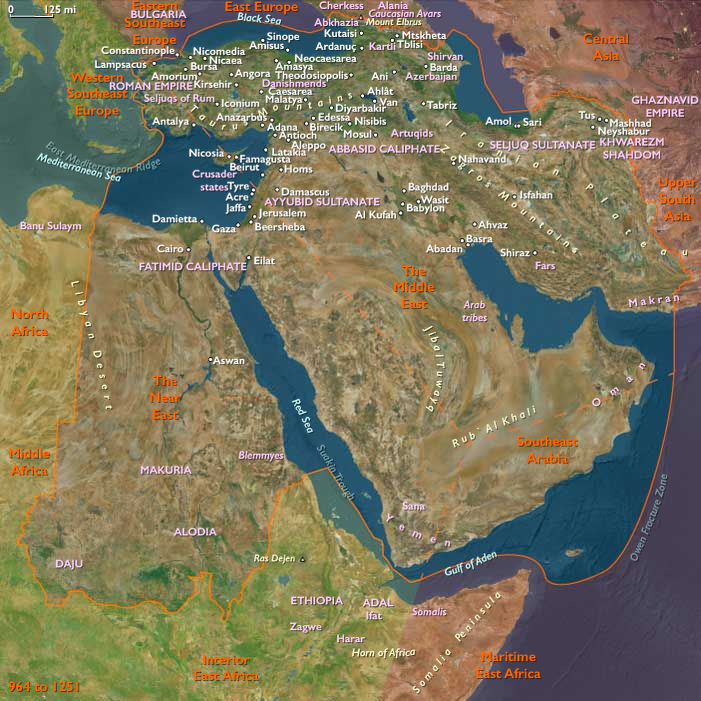
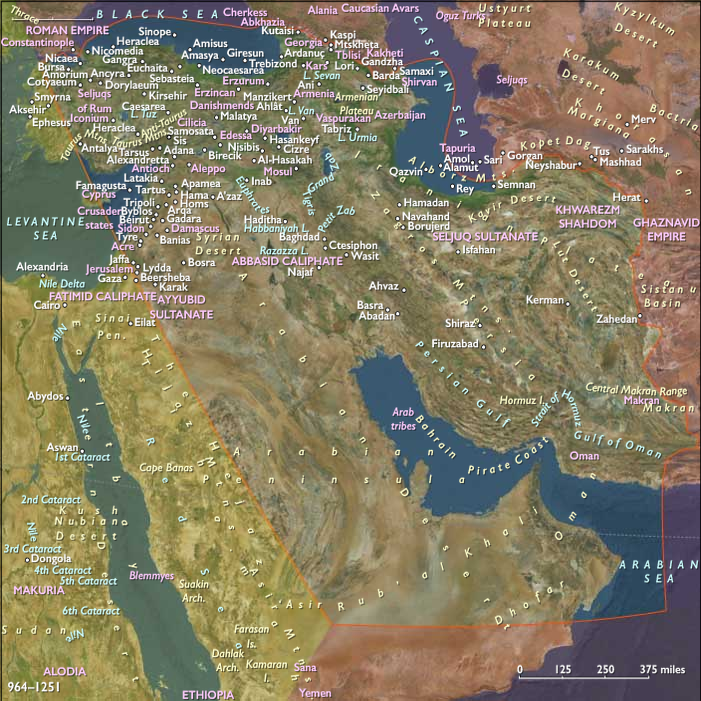
The Swedish expedition has stayed for a few years in Kiev fighting against the Pechenegs, then (in 1042) they continue to the Black Sea and the Christian country, called Särkland (Georgia).
A feud between Bagrat IV and his former general, Liparit Baghvashi, a powerful duke of Kldekari, had erupted during their campaign against the Georgian city of Tbilisi (1037–1040), which is ruled by Arab emirs.
The king, advised by Liparit’s opponents, had made peace with Emir Ali ibn-Jafar, a sworn enemy of the duke, in 1040.
In retaliation, Liparit had revolted and endeavored to put Demetre, Bagrat’s half-brother, on the Georgian throne.
However, he had had no success and had ended hostilities with Bagrat, receiving the title of Grand Duke of Kartli, but giving up his son, Ioane, as a hostage of the king.
Liparit soon rises again in rebellion, requesting aid from Constantinople.
Supported by an imperial auxiliary force and an army of Kakheti (a kingdom in eastern Georgia), he releases his son and again invites the pretender prince Demetrius to be crowned king.
The latter in 1042 dies at the very beginning of the war, but Liparit continues to fight the king’s forces.
The royal army commanded by King Bagrat is joined by a Varangian detachment of one thousand men, probably a subdivision of the expedition of Ingvar the Far-Travelled.
According to an old Georgian chronicle, they had landed at Bashi, a place by the mouth of the Rioni river, in Western Georgia.
The two armies fight a decisive battle near the village of Sasireti, eastern Georgia, in the spring of 1042.
In fierce fighting, the royal army is defeated and retreats west.
According to the legendary saga about Ingvar, only one ship returned.
The twenty-six remaining rune stones testify to this, as no one mentions a surviving participant.
The most common phrases are similar to the one on the Gripsholm Runestone: “They died in the East, in Särkland.”
Locations
People
- Anund Jacob
- Bagrat IV
- Emund the Old
- Ingegerd Olofsdotter of Sweden
- Ingvar the Far-Travelled
- Yaroslav I
Groups
- Georgians
- Varangians
- Danes (Scandinavians)
- Swedes (North Germanic tribe)
- Pechenegs, or Patzinaks
- Rus' people
- Novgorod, Principality of
- Roman Empire, Eastern: Macedonian dynasty
- Kievan Rus', or Kiev, Great Principality of
- Sweden, Kingdom of
- Georgia, (Bagratid) Kingdom of
Topics
Commodoties
Subjects
Regions
Subregions
Related Events
Showing 1 events out of 1 total
Years: 1042 - 1042
Locations
People
- Anund Jacob
- Bagrat IV
- Emund the Old
- Ingegerd Olofsdotter of Sweden
- Ingvar the Far-Travelled
- Yaroslav I
Groups
- Georgians
- Varangians
- Danes (Scandinavians)
- Swedes (North Germanic tribe)
- Pechenegs, or Patzinaks
- Rus' people
- Novgorod, Principality of
- Roman Empire, Eastern: Macedonian dynasty
- Kievan Rus', or Kiev, Great Principality of
- Sweden, Kingdom of
- Georgia, (Bagratid) Kingdom of
Topics
Commodoties
Subjects
Regions
Subregions