
Suzuki Harunobu develops the multicolor technique for …
Years: 1765 - 1765
Suzuki Harunobu develops the multicolor technique for ukiyo-e art.
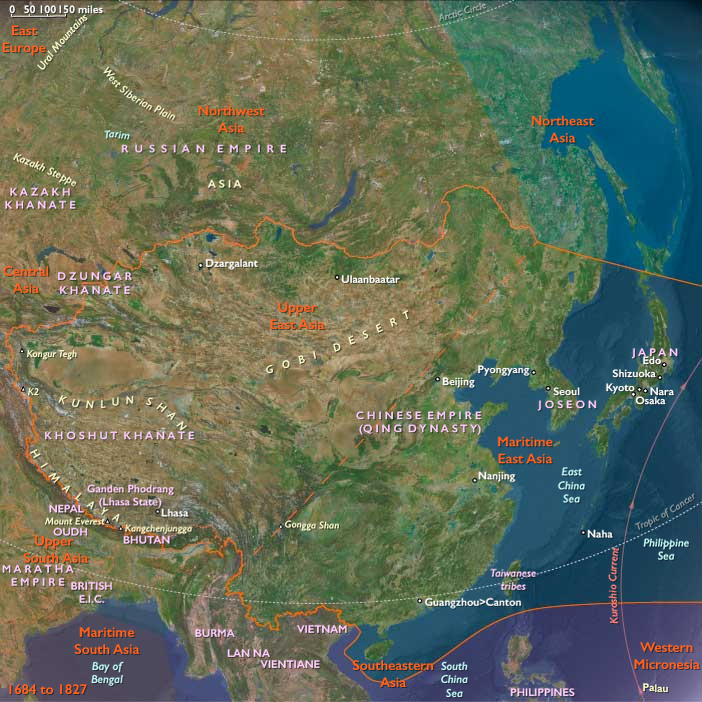
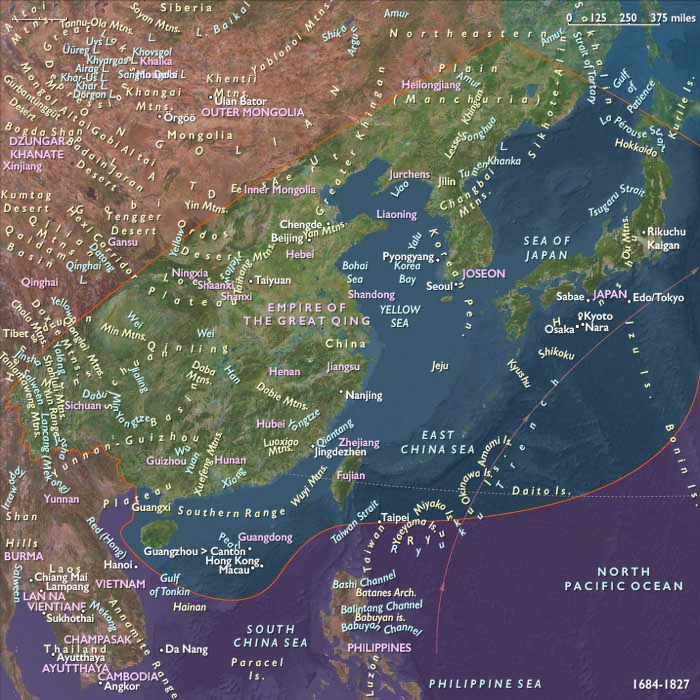
Though some scholars assert that Harunobu was originally from Kyoto, pointing to possible influences from Nishikawa Sukenobu, much of his work, in particular his early work, is in the Edo style.
His work shows evidence of influences from many artists, including Torii Kiyomitsu, Ishikawa Toyonobu, the Kawamata school, and the Kano school.
However, the strongest influence upon Harunobu was the painter and printmaker Nishikawa Sukenobu, who may have been Harunobu's direct teacher.
Harunobu had begun his career in the style of the Torii school, creating many works which, while skillful, were not innovative and did not stand out.
It was only through his involvement with a group of literati samurai that Harunobu had tackled new formats and styles.
In 1764, as a result of his social connections, he had been chosen to aid these samurai in their amateur efforts to create calendar prints.
Calendars prints of this sort from prior to that year are not unknown but are quite rare, and it is known that Harunobu was close acquaintances or friends with many of the prominent artists and scholars of the period, as well as with several friends of the shogun.
Harunobu's calendars, which incorporated the calculations of the lunar calendar into their images, are exchanged at Edo gatherings and parties.
These calendar prints are the first nishiki-e (brocade prints).
As a result of the wealth and connoisseurship of his samurai patrons, Harunobu had created these prints using only the best materials he could.
Harunobu has experimented with better woods for the woodblocks, using cherry wood instead of catalpa, and has used not only more expensive colors, but also a thicker application of the colors, in order to achieve a more opaque effect.
The most important innovation in the creation of nishiki-e is the ability of Harunobu, again due to the wealth of his clients, to use as many separate blocks as he wishes for a single image; just twenty years previously, the invention of benizuri-e had made it possible to print in three or four colors; Harunobu applies this new technique to ukiyo-e prints using up to ten different colors on a single sheet of paper.
The new technique depends on using notches and wedges to hold the paper in place and keep the successive color printings in register.
Harunobu is the first ukiyo-e artist to consistently use more than three colors in each print.
Nishiki-e, unlike their predecessors, are full-color images.
As the technique is first used in a calendar, the year of their origin can be traced precisely to 1765.
Locations
People
Groups
Subjects
Regions
Subregions
Years: 1765 - 1765
Locations
People
Groups
Subjects
Regions
Subregions