
The Pyu, who speak a Tibeto-Burman language, …
Years: 840 - 840
The Pyu, who speak a Tibeto-Burman language, are believed to have been an ethnic group distinct from the Bamar (Burmans), although they may have intermarried with Sino-Tibetan migrants who later became part of the Bamar ethnicity.
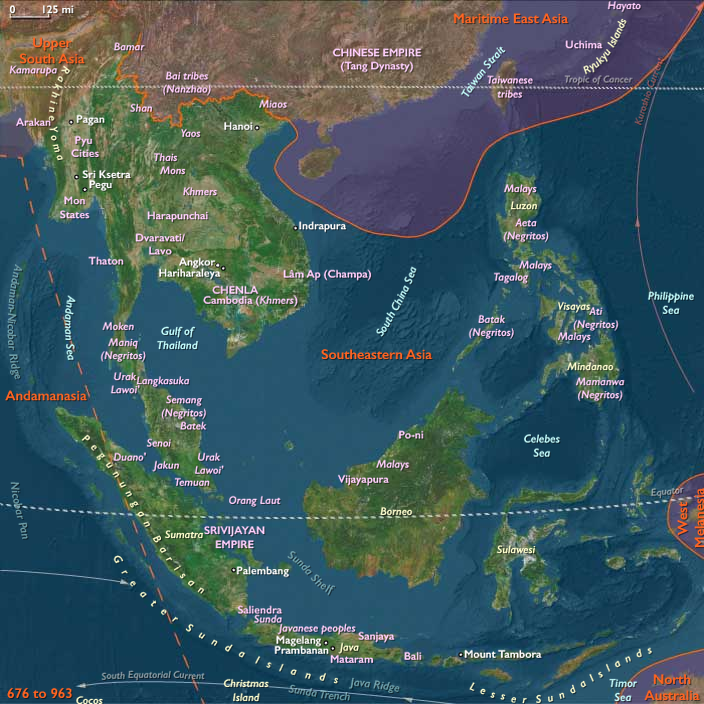
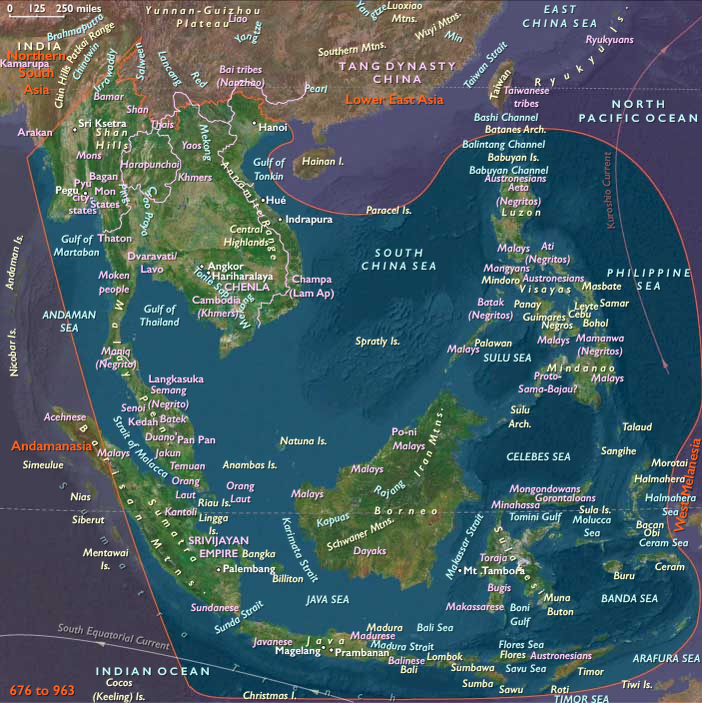
The Pyu city-states of the region of present Mynamar, or Burma, have never unified into a Pyu kingdom, but the more powerful cities have often dominated and called for tribute from the lesser cities.
The most powerful city by far had been Sri Ksetra, which archaeological evidence indicates was the largest city that has ever been built in Burma.
The exact date of its founding is not known, though likely to be prior to a dynastic change in the year 94 mentioned in Pyu chronicles.
The Pyu in the seventh century had shifted their capital northward towards Halingyi in the dry zone, leaving Sri Ksetra as a secondary center to oversee trade in the south.
Sri Ksetra had apparently been abandoned around 656 in favor of a more northern capital, though the exact site is not known.
Some historians believe it was Halingyi, and may be related to the ancient city of Tagaung.
Wherever the new capital was located, it is sacked by the Bai kingdom of Nanzhao in in about 840, ending the Pyu's period of dominance.
Locations
Groups
Topics
Commodoties
Subjects
Regions
Subregions
Related Events
Showing 10 events out of 54269 total
Years: 840 - 840
Locations
Groups
Topics
Commodoties
Subjects
Regions
Subregions