
The 1762 Franco-Spanish Invasion of Portugal – …
Years: 1762 - 1762
The 1762 Franco-Spanish Invasion of Portugal – A War on Two Continents
Following the 1755 Lisbon Earthquake, Prime Minister Sebastião José de Carvalho e Melo, the Marquis of Pombal, focused almost entirely on the reconstruction of Portugal, neglecting the country’s armed forces, which he saw as secondary to economic and administrative reform. This left Portugal militarily unprepared for the conflicts to come.
Spain and France Nullify the Treaty of Madrid (1761)
By 1761, diplomatic tensions between Spain and Portugal escalated. The Treaty of Madrid (1750), which had sought to define colonial boundaries in South America, was rendered void by the Treaty of El Pardo (1761). Spain, seeking to expand its influence in the Americas, now viewed Portugal’s close economic ties to Britain as a threat.
Encouraged by France, Spain agreed to invade Portugal, hoping that by opening a new front, Britain would be forced to divert military resources away from its war with France. The invasion of Portugal would take place in two theaters:
-
The European Front (Portugal) – The Main Theater
- On May 5, 1762, a triple Franco-Spanish invasion of Portugal was launched.
- The campaign ended in humiliating defeat for the Bourbon forces.
-
The South American Front – A Secondary Theater
- Spanish forces invaded Portuguese-controlled Brazil and Uruguay.
- The conflict resulted in a stalemate, with Portuguese victories in Northern and Western Brazil, but Spanish victories in Southern Brazil and Uruguay.
The European Campaign: A Spanish Disaster
Despite Portugal’s military weakness, the European invasion quickly fell apart due to:
- Portuguese resilience and British military assistance
- Spanish overconfidence and logistical failures
- Harsh terrain and disease
Spain and France failed to capture key Portuguese cities, while the British-Portuguese counteroffensive dealt them a humiliating defeat, forcing a retreat by the end of the year.
The South American Theater: A Stalemate
While Spain failed in Europe, the colonial war in South America was more evenly matched:
- Portuguese forces triumphed in Northern and Western Brazil, successfully defending their territories.
- However, Spain managed to secure victories in Southern Brazil and Uruguay, expanding its influence in the Río de la Plata region.
Consequences of the 1762 War
- The European defeat shattered Spain’s hope of removing Portugal from the war.
- In South America, the war altered colonial boundaries but did not deliver a decisive victory to either side.
- For Portugal, the war highlighted the vulnerability of its military, reinforcing its dependence on British protection.
- For Pombal, it marked a turning point, forcing him to reassess military policy after years of neglect.
Ultimately, the 1762 war reaffirmed Portugal’s survival as an independent power, while the colonial conflict laid the groundwork for future territorial disputes between Spain and Portugal in South America.
The 1762 Franco-Spanish Invasion of Portugal – A War on Two Continents
Following the 1755 Lisbon Earthquake, Prime Minister Sebastião José de Carvalho e Melo, the Marquis of Pombal, focused almost entirely on the reconstruction of Portugal, neglecting the country’s armed forces, which he saw as secondary to economic and administrative reform. This left Portugal militarily unprepared for the conflicts to come.
Spain and France Nullify the Treaty of Madrid (1761)
By 1761, diplomatic tensions between Spain and Portugal escalated. The Treaty of Madrid (1750), which had sought to define colonial boundaries in South America, was rendered void by the Treaty of El Pardo (1761). Spain, seeking to expand its influence in the Americas, now viewed Portugal’s close economic ties to Britain as a threat.
Encouraged by France, Spain agreed to invade Portugal, hoping that by opening a new front, Britain would be forced to divert military resources away from its war with France. The invasion of Portugal would take place in two theaters:
-
The European Front (Portugal) – The Main Theater
- On May 5, 1762, a triple Franco-Spanish invasion of Portugal was launched.
- The campaign ended in humiliating defeat for the Bourbon forces.
-
The South American Front – A Secondary Theater
- Spanish forces invaded Portuguese-controlled Brazil and Uruguay.
- The conflict resulted in a stalemate, with Portuguese victories in Northern and Western Brazil, but Spanish victories in Southern Brazil and Uruguay.
The European Campaign: A Spanish Disaster
Despite Portugal’s military weakness, the European invasion quickly fell apart due to:
- Portuguese resilience and British military assistance
- Spanish overconfidence and logistical failures
- Harsh terrain and disease
Spain and France failed to capture key Portuguese cities, while the British-Portuguese counteroffensive dealt them a humiliating defeat, forcing a retreat by the end of the year.
The South American Theater: A Stalemate
While Spain failed in Europe, the colonial war in South America was more evenly matched:
- Portuguese forces triumphed in Northern and Western Brazil, successfully defending their territories.
- However, Spain managed to secure victories in Southern Brazil and Uruguay, expanding its influence in the Río de la Plata region.
Consequences of the 1762 War
- The European defeat shattered Spain’s hope of removing Portugal from the war.
- In South America, the war altered colonial boundaries but did not deliver a decisive victory to either side.
- For Portugal, the war highlighted the vulnerability of its military, reinforcing its dependence on British protection.
- For Pombal, it marked a turning point, forcing him to reassess military policy after years of neglect.
Ultimately, the 1762 war reaffirmed Portugal’s survival as an independent power, while the colonial conflict laid the groundwork for future territorial disputes between Spain and Portugal in South America.
Locations
People
Groups
- Austria, Archduchy of
- Saxony, Electorate of
- Río de la Plata, Governorate of the
- Brazil, Colonial
- France, (Bourbon) Kingdom of
- Portugal, Bragança Kingdom of
- Spain, Bourbon Kingdom of
- Prussia, Kingdom of
- Britain, Kingdom of Great
- Russian Empire
Topics
Subjects
Regions
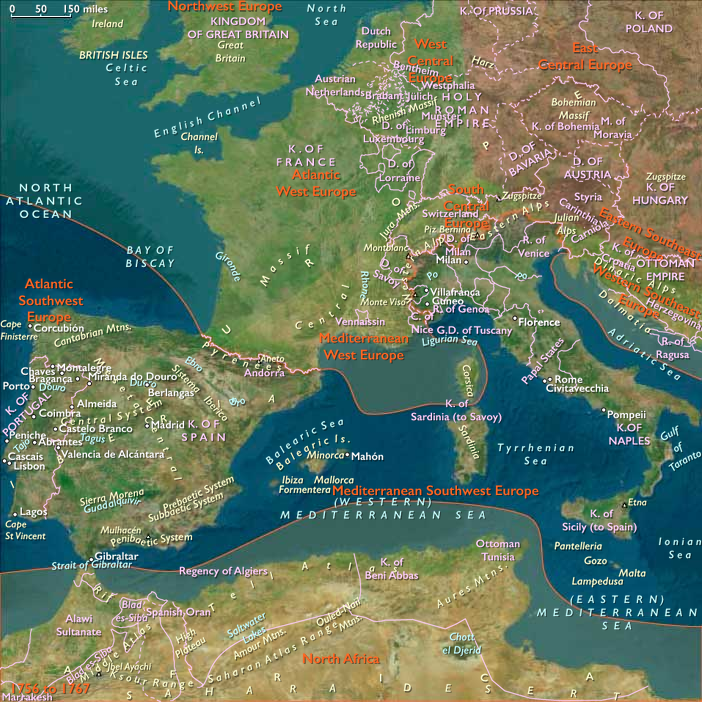
Subregions
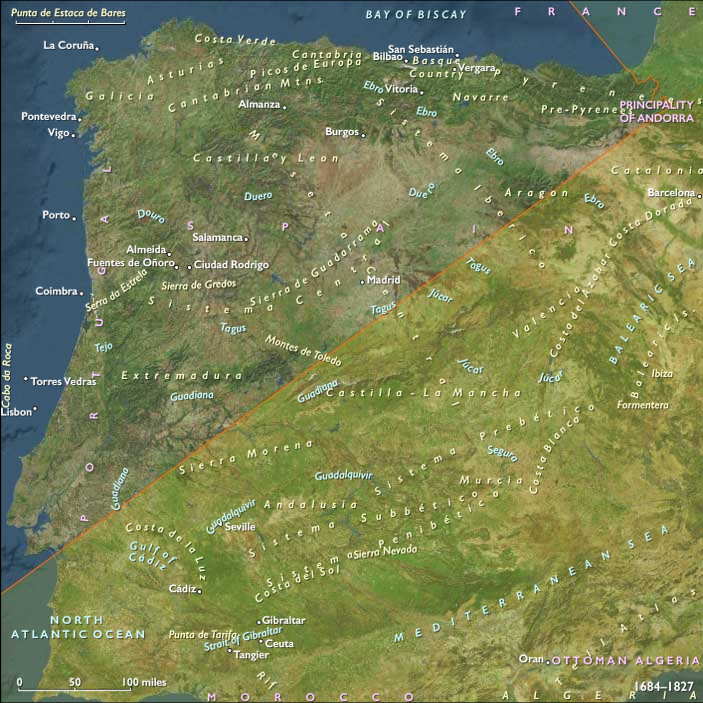
Years: 1762 - 1762
Locations
People
Groups
- Austria, Archduchy of
- Saxony, Electorate of
- Río de la Plata, Governorate of the
- Brazil, Colonial
- France, (Bourbon) Kingdom of
- Portugal, Bragança Kingdom of
- Spain, Bourbon Kingdom of
- Prussia, Kingdom of
- Britain, Kingdom of Great
- Russian Empire
Topics
Subjects
Regions
Subregions