
Southern Macaronesia (6,093–4,366 BCE): Mid-Holocene Seas and …
Years: 6093BCE - 4366BCE
Southern Macaronesia (6,093–4,366 BCE): Mid-Holocene Seas and Untouched Archipelagos
Geographic & Environmental Context
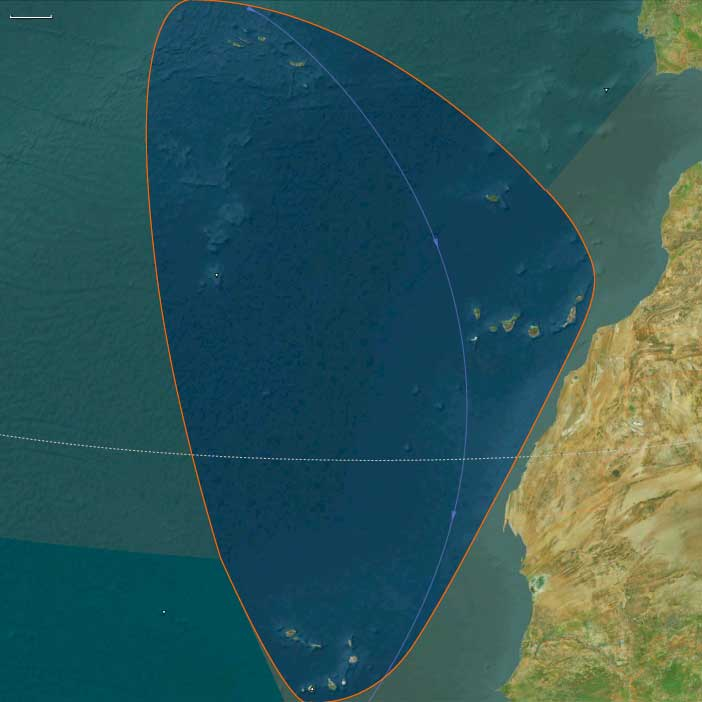
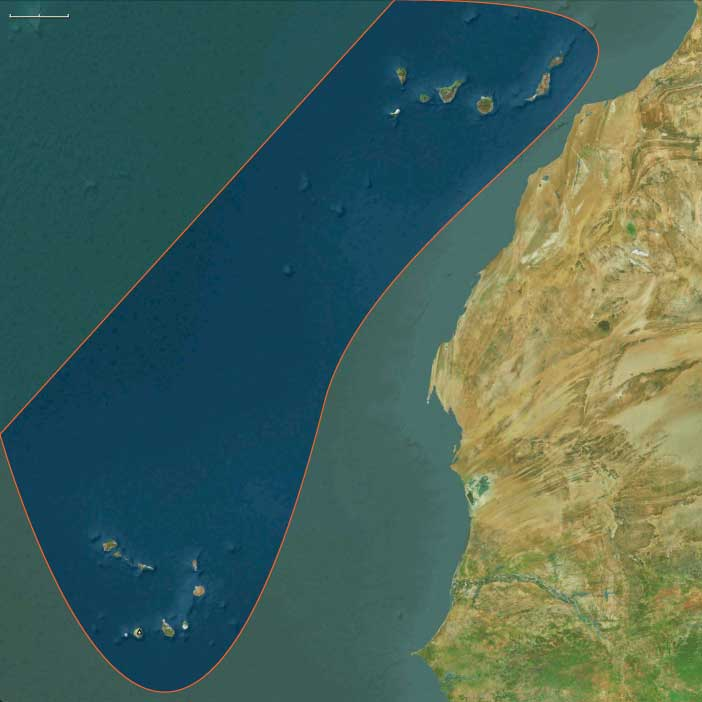
The subregion of Southern Macaronesia includes the Canary Islands and Cape Verde Islands. The Canaries, closer to Africa, combined high volcanic peaks (Tenerife, Gran Canaria, La Palma) with cloud-fed laurel forests in uplands and arid scrub on low coasts. The Cape Verde Islands, farther into the Atlantic, were drier, their volcanic cones and plateaus shaped by sparse vegetation and rocky shores. Both archipelagos were encircled by the Canary Current and steady northeast trade winds, knitting them into the greater North Atlantic system.
Climate & Environmental Shifts
This mid-Holocene epoch was one of relative climatic stability globally, though trends were regionally distinct. The African Humid Period was waning: the Sahara and Sahel were slowly drying, but the Canaries still benefited from orographic moisture and misty cloud forests, while Cape Verde’s semi-arid climate grew harsher. Sea levels had risen close to modern positions, drowning earlier coastal shelves and stabilizing shorelines. Offshore, nutrient-rich upwellings in the Canary Current supported abundant marine life.
Subsistence & Settlement
No humans had yet reached the archipelagos. Ecosystems were pristine:
-
In the Canaries, forests of laurel, pine, and dragon tree thrived in uplands, while coasts hosted palm groves and scrub.
-
In Cape Verde, drought-resistant grasses, shrubs, and succulents dominated, interspersed with limited woodland pockets.
-
Seabirds colonized cliffs and islets in vast numbers, while marine turtles used sandy coves for nesting.
-
Offshore, tuna, dolphins, and whales followed seasonal prey along current systems.
Technology & Material Culture
Elsewhere in the world, Neolithic peoples expanded farming, pottery, and ground-stone technologies. In Southern Macaronesia, there was no human presence: landscapes bore only the “technologies” of wind, fire, erosion, and volcanic renewal.
Movement & Interaction Corridors
The islands sat astride North Atlantic gyre circulation. Migratory seabirds linked them with Africa, Europe, and the Americas. Whale migrations paralleled gyre flows, congregating seasonally in rich feeding grounds. The Canary Current carried nutrients and plankton blooms along the African margin, reinforcing the productivity of surrounding seas.
Cultural & Symbolic Expressions
None human. Symbolism was ecological: the rhythm of seabird colonies, turtle crawls etched into beaches, and laurel forests misted in cloud belts inscribed recurring cycles of life.
Environmental Adaptation & Resilience
Flora and fauna adapted to contrasting conditions. On the Canaries, moisture-loving plants clung to ridges where clouds condensed; drought-adapted scrub persisted on leeward coasts. In Cape Verde, plants evolved succulence and deep-rooted strategies to withstand aridity. Seabirds nested in dense colonies, shifting sites after landslides or storms. Turtles displayed resilience by spreading nesting across multiple islands.
Transition
By 4,366 BCE, Southern Macaronesia remained untouched by humans, its ecosystems thriving in isolation. The Canaries balanced lush upland forests with arid coasts, while Cape Verde’s harsher environments were stabilized by hardy vegetation. Offshore, the Canary Current teemed with life, making the subregion a biological node in the Atlantic well before human discovery.
Topics
Subjects
Regions
Subregions
Years: 6093BCE - 4366BCE
Topics
Subjects
Regions
Subregions