
Southern Macaronesia (49,293 – 28,578 BCE) …
Years: 49293BCE - 28578BCE
Southern Macaronesia (49,293 – 28,578 BCE) Upper Pleistocene I — Oceanic Shields, Trade-Wind Clouds, and Seabird Realms (No Humans)
Geographic and Environmental Context
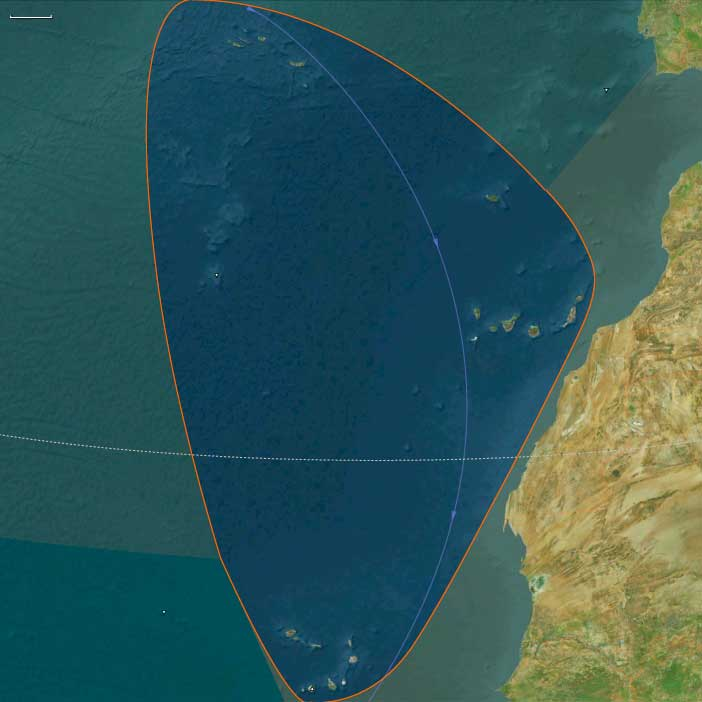
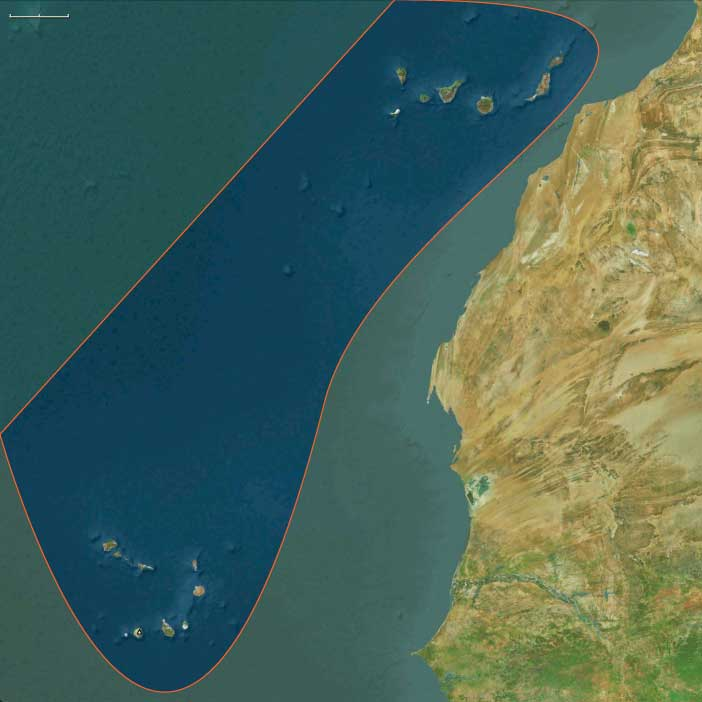
Southern Macaronesia includes:
-
The Canary Islands (Gran Canaria, Tenerife, Fuerteventura, Lanzarote, La Palma, La Gomera, El Hierro).
-
The Cape Verde archipelago (Sotavento and Barlavento groups).
Anchors: Tenerife (Teide massif), Gran Canaria (Caldera de Tejeda), La Palma (Caldera de Taburiente), La Gomera(garajonay–laurisilva), El Hierro (El Golfo fault scarp), Fuerteventura–Lanzarote (low, arid shield islands and malpaísfields), Cape Verde (Fogo stratovolcano, Santo Antão and Santiago highlands, Sal–Boa Vista arid flats).
-
The Canaries and Cape Verde stood as mid-Atlantic volcanic archipelagos rising abruptly from deep ocean basins; steep submarine slopes limited shelf area.
-
Laurisilva cloud forests capped the higher, windward Canaries; Fuerteventura–Lanzarote and parts of Cape Verde were drier, with xerophytic scrub.
Climate & Environmental Shifts
-
LGM cooling and sea-level fall (~100 m) exposed narrow coastal benches; intensified winter storm tracks; persistent trade-wind inversions fed cloud forests on higher islands.
Subsistence & Settlement
-
No human occupation. Seabird supercolonies (petrels, shearwaters), monk seals (historically), endemic reptiles, and flightless or semi-flightless birds structured ecosystems.
Technology & Material Culture
-
N/A.
Movement & Interaction Corridors
-
Atmospheric/oceanic: Canary Current and trades; migratory bird flyways linked Europe–Africa–Atlantic.
Cultural & Symbolic Expressions
-
None (pre-human).
Environmental Adaptation & Resilience
-
Insular biotas evolved island syndromes (reduced dispersal, flightlessness, gigantism in some lineages), stabilized by fog-drip hydrology in laurel forests.
Transition
By 28,578 BCE, Southern Macaronesia was a pristine oceanic refuge, biotically rich, human-free.
Topics
Subjects
Regions
Subregions
Related Events
Showing 10 events out of 69706 total
Years: 49293BCE - 28578BCE
Topics
Subjects
Regions
Subregions