
The Beginnings of Medical Licensing in Europe …
Years: 1504 - 1515
The Beginnings of Medical Licensing in Europe (1509)
By 1509, European authorities began making the first formal attempts to regulate the practice of medicine, requiring physicians to be licensed in order to practice. This marked an important step toward professionalizing the medical field, ensuring higher standards of care, and limiting the influence of unqualified healers.
Why Was Medical Licensing Introduced?
-
The Growth of Universities and Medical Schools
- By the early 16th century, institutions such as the University of Bologna, University of Paris, University of Padua, and University of Salamanca had established formal medical faculties.
- The development of anatomy, surgery, and pharmacology led to a greater emphasis on scientific training for doctors.
-
The Influence of Renaissance Humanism and Scientific Inquiry
- The Renaissance sparked renewed interest in medical texts from Galen, Hippocrates, and Avicenna.
- Humanist scholars advocated for standardized education and formal qualifications, leading to greater oversight of the medical profession.
-
Growing Concerns Over Quackery and Charlatans
- Before licensing, untrained healers, herbalists, and barber-surgeons often provided medical care, sometimes with dangerous or ineffective treatments.
- Governments sought to protect public health by ensuring only trained physicians could practice legally.
How Was Medical Licensing Enforced?
-
Local and national authorities introduced new regulations, often requiring physicians to:
- Obtain a diploma from an accredited university.
- Pass an examination administered by a medical board.
- Receive official approval from local governing bodies or royal authorities.
-
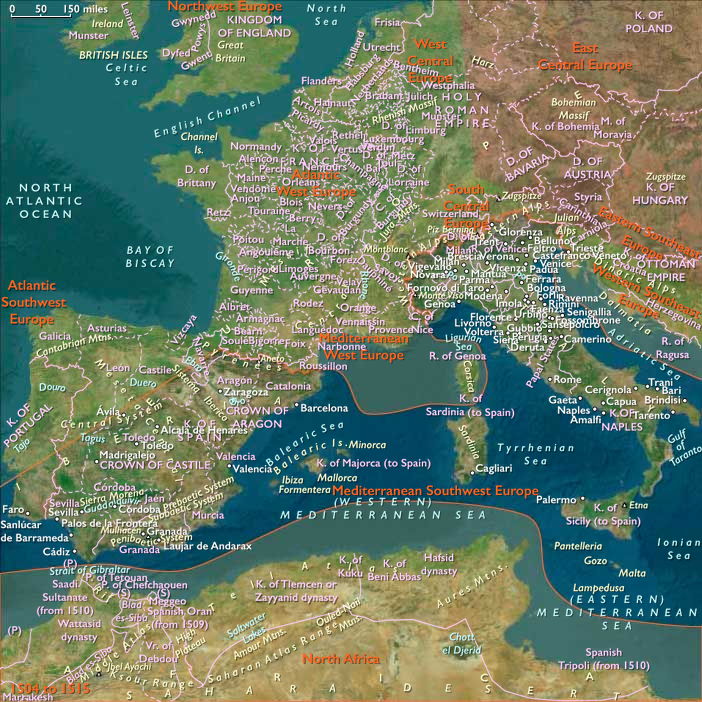
Spain, Italy, and France were among the first countries to enforce medical licensing.
- In Spain, the Catholic Monarchs implemented medical laws requiring doctors to be trained and licensed.
- In Italy, Venice and Florence established state-supervised medical boards.
- In France, the University of Paris had already imposed strict medical qualifications by the late Middle Ages.
Impact of Medical Licensing on European Medicine
-
Raised Standards of Medical Care
- Licensing ensured that physicians were trained in anatomy, diagnostics, and treatments, leading to better patient outcomes.
-
Shift Toward Institutional Medicine
- The rise of regulated medical practice led to the growth of hospitals and medical institutions, which became centers of learning and patient care.
-
Legal Recognition of Medicine as a Profession
- Medicine became a recognized field requiring formal education, similar to law and theology.
Conclusion: The Foundation of Modern Medical Practice
The first licensing regulations for physicians in 1509 marked the beginning of modern medical professionalism. Over time, these early laws expanded across Europe, paving the way for the structured, scientific, and regulated medical profession we recognize today.
Groups
- Papal States (Republic of St. Peter)
- Venice, (Most Serene) Republic of
- Castile, Crown of
- France, (Valois) Kingdom of
- Florence, Republic of
- Florence, Medici-ruled
Subjects
Regions




Subregions
- Northeast Europe
- East Central Europe
- Western Southeast Europe
- South Central Europe
- Mediterranean West Europe
- Mediterranean Southwest Europe
- Atlantic Southwest Europe
- Atlantic West Europe
- West Central Europe
- Northwest Europe








Related Events
Showing 10 events out of 39659 total
Years: 1504 - 1515
Groups
- Papal States (Republic of St. Peter)
- Venice, (Most Serene) Republic of
- Castile, Crown of
- France, (Valois) Kingdom of
- Florence, Republic of
- Florence, Medici-ruled
Subjects
Regions
Subregions
- Northeast Europe
- East Central Europe
- Western Southeast Europe
- South Central Europe
- Mediterranean West Europe
- Mediterranean Southwest Europe
- Atlantic Southwest Europe
- Atlantic West Europe
- West Central Europe
- Northwest Europe