
South Polynesia (2008 – 2019 CE) …
Years: 2008 - 2019
South Polynesia (2008 – 2019 CE)
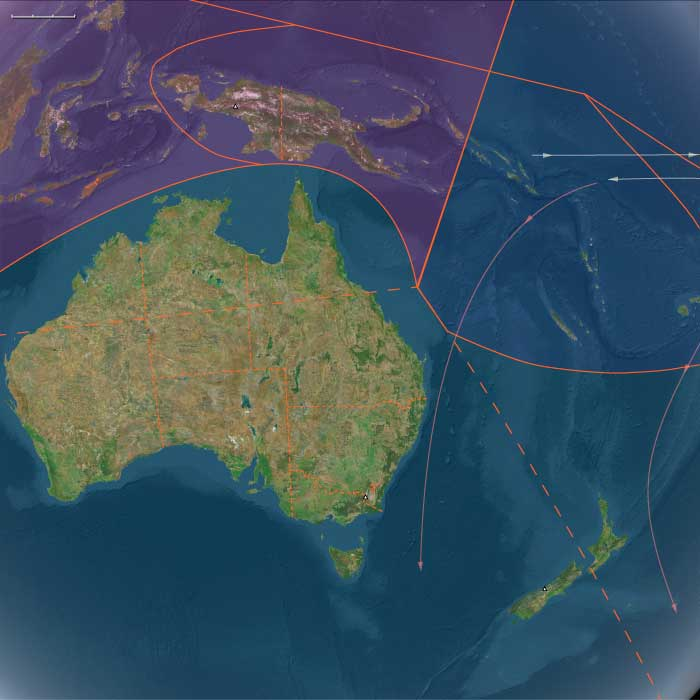
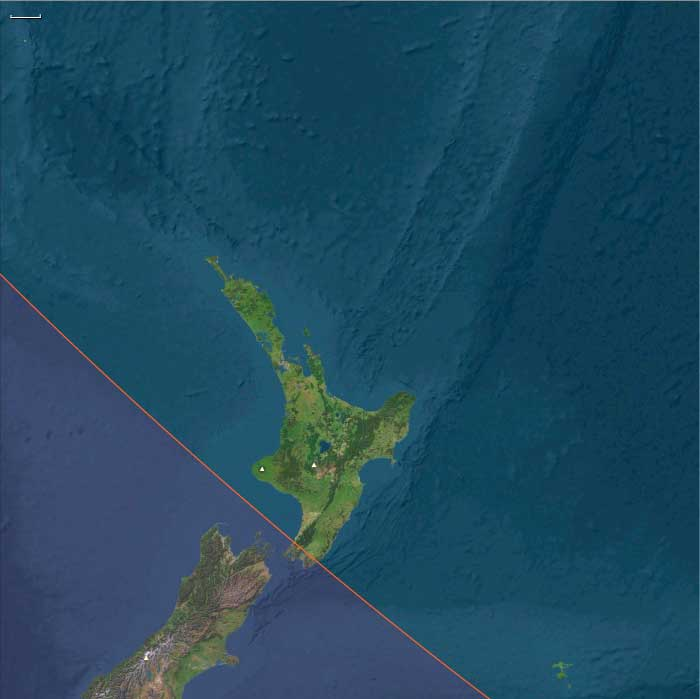
Geographic scope: This subregion includes Norfolk Island, the Kermadec Islands, the Chatham Islands, and all of New Zealand’s North Island except for the extreme southwest.
Climate and Environmental Conditions
Climate variability was increasingly viewed through the lens of global climate change, with scientific monitoring highlighting rising sea levels, warmer sea-surface temperatures, and shifting rainfall patterns. El Niño and La Niña cycles influenced drought frequency in eastern North Island districts and brought flooding to some northern and western regions. The Chatham Islands remained cool, windy, and prone to rapid weather changes; the Kermadec Islands retained their subtropical climate but experienced stronger tropical storm events; and Norfolk Island saw gradual temperature increases alongside changing seasonal rainfall patterns.
Vegetation and Landscape
North Island (excluding extreme southwest): Native forest remnants persisted in reserves, national parks, and difficult-to-reach valleys, with expanding restoration programs and predator control projects. Alpine vegetation remained limited to the highest volcanic peaks—Ruapehu, Ngauruhoe, Tongariro, Mt Taranaki—while large-scale pine forestry and agriculture still dominated much of the lowlands. Wetland and coastal dune restoration increased under conservation initiatives.
Chatham Islands: Significant habitat restoration continued, with predator eradication projects and replanting of native species.
Kermadec Islands: The Kermadec Marine Reserve was globally recognized as a biodiversity hotspot, and pest-free status was maintained on some islands.
Norfolk Island: Restoration programs targeted invasive species removal and the expansion of protected forest areas.
Political and Social Context
In the North Island, Treaty of Waitangi settlement processes continued, with major settlements finalizing land, resource, and financial redress to Māori iwi. Co-management of conservation lands became more common, symbolizing a stronger partnership between iwi and the Crown.
In the Chatham Islands, Moriori cultural resurgence intensified, supported by formal recognition and funding for heritage projects.
Norfolk Island underwent a major governance change in 2015, when the Australian Government replaced self-governing structures with a local council model, sparking significant debate and protest among island residents. The Kermadec Islands became a focal point in 2016 over proposals to expand the marine sanctuary, generating discussion about Māori fishing rights and conservation priorities.
Economic Activity
The North Island economy remained diverse—agriculture, forestry, horticulture, tourism, and technology all played major roles. Māori economic development expanded, with iwi investing in fisheries, tourism, property, and agribusiness as part of post-settlement growth strategies. Tourism continued to grow, with cultural tourism centered on Māori heritage sites and natural attractions.
The Chatham Islands economy relied heavily on fishing, especially for crayfish and blue cod, while Norfolk Island’s economy was tourism-driven. The Kermadec Islands remained uninhabited and economically inactive except for scientific research.
Cultural Developments
The Māori Renaissance deepened, with te reo Māori gaining higher visibility in public life, media, and education. National kapa haka competitions, waka voyaging, and tribal arts festivals reinforced cultural identity. Moriori in the Chathams expanded cultural education programs and commemorations, while Norfolk Island sought to preserve its Pitcairn language and traditions under new governance conditions. Conservation efforts in the Kermadec Islands brought increased global attention to the subregion’s ecological value.
Groups
- Moriori people
- Maori people
- Pitcairn Islands (United Kingdom overseas territory)
- Norfolk Island, (Australian) Territory of
- Australia, Commonwealth of
- Britain (United Kingdom of Great Britain and Northern Ireland)
- Commonwealth of Nations (British)
- New Zealand (Aotearoa)
Topics
Commodoties
Subjects
Regions
Subregions
Years: 2008 - 2019
Groups
- Moriori people
- Maori people
- Pitcairn Islands (United Kingdom overseas territory)
- Norfolk Island, (Australian) Territory of
- Australia, Commonwealth of
- Britain (United Kingdom of Great Britain and Northern Ireland)
- Commonwealth of Nations (British)
- New Zealand (Aotearoa)
Topics
Commodoties
Subjects
Regions
Subregions