
South Polynesia (1996 – 2007 CE) …
Years: 1996 - 2007
South Polynesia (1996 – 2007 CE)
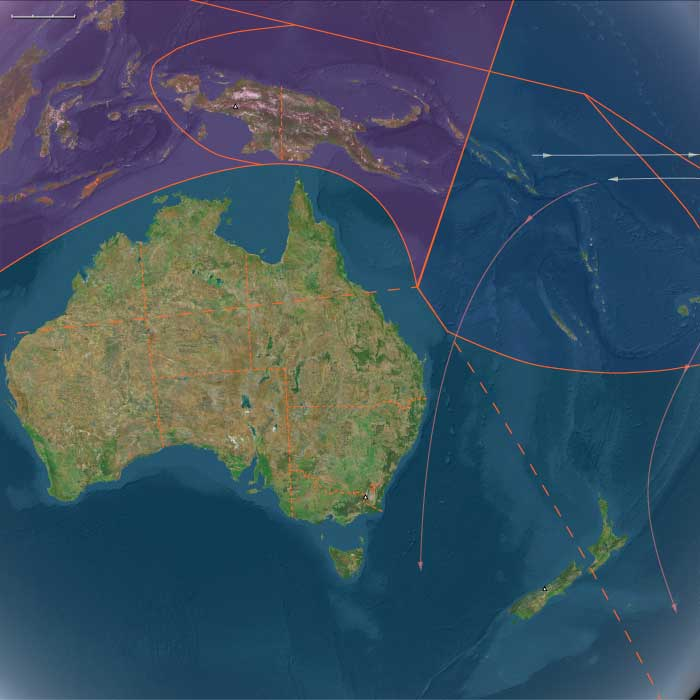
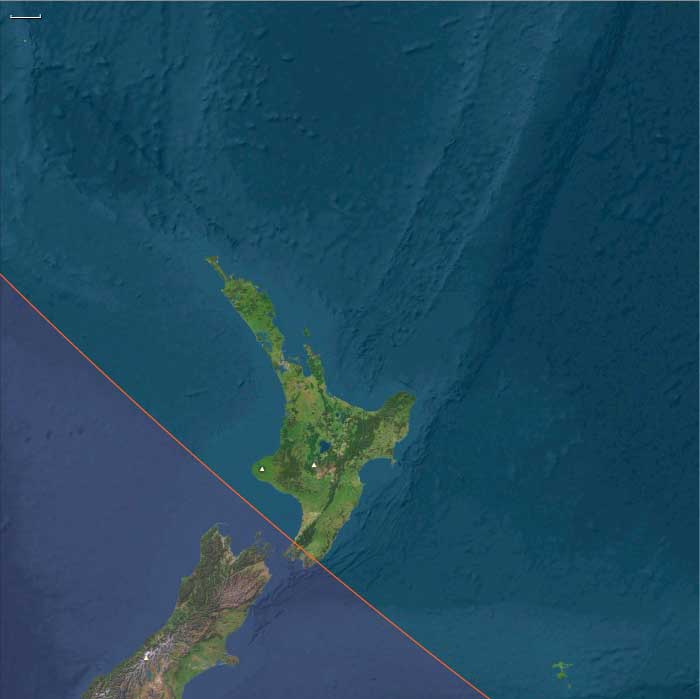
Geographic scope: This subregion includes Norfolk Island, the Kermadec Islands, the Chatham Islands, and all of New Zealand’s North Island except for the extreme southwest.
Climate and Environmental Conditions
The period was shaped by increasing awareness of global climate change and its potential impacts on Pacific environments. El Niño and La Niña cycles influenced rainfall patterns, sometimes bringing drought to eastern North Island regions and heavy rainfall to the north and west. The Chatham Islands retained their cool, windy climate, the Kermadec Islands remained subtropical and vulnerable to tropical cyclones, and Norfolk Island continued to enjoy a mild, oceanic regime.
Vegetation and Landscape
North Island (excluding extreme southwest): Native forests persisted in upland reserves, rugged ranges, and isolated valleys, with active reforestation and ecological restoration projects expanding. Exotic forestry—especially radiata pine—remained extensive in central and northern districts. Alpine vegetation persisted above ~1500 m on Ruapehu, Ngauruhoe, Tongariro, and Mt Taranaki. Wetland restoration programs expanded in line with environmental policy goals.
Chatham Islands: Ecological restoration efforts, including predator control and replanting, began to restore key coastal habitats.
Kermadec Islands: Pest eradication programs targeted goats, rats, and invasive plants, supporting recovery of native evergreen forests.
Norfolk Island: Protection of remnant native forests continued, with replanting of Norfolk pines and hardwoods.
Political and Social Context
In the North Island, the Treaty settlement process accelerated, with high-profile agreements transferring land, resources, and financial redress to Māori iwi. These settlements often included co-management arrangements for national parks and conservation lands. The role of the Treaty of Waitangi in governance expanded through court rulings and legislation.
The Chatham Islands saw growing recognition of Moriori rights and heritage, supported by cultural projects and the revival of traditional knowledge. Norfolk Island navigated debates over self-governance versus integration into Australian administrative structures. The Kermadec Islands were managed almost entirely as a nature reserve, with strict access rules.
Economic Activity
Agriculture, horticulture, and fisheries remained major contributors to the North Island economy, with significant growth in viticulture and specialized crops. Forestry exports—particularly radiata pine—remained strong. The tourism sector expanded rapidly, marketing Māori cultural experiences, geothermal features, and coastal attractions. In 2000, the designation of the Kermadec Marine Reserve extended protection to one of the world’s most pristine oceanic environments.
Cultural Developments
The Māori Renaissance continued to flourish. Te reo Māori language programs in schools and broadcasting gained wider public support. Cultural festivals, kapa haka competitions, and the revitalization of traditional arts became more visible nationally and internationally. In the Chatham Islands, Moriori cultural heritage projects advanced, supported by archaeological research and oral history initiatives. Norfolk Island preserved its Pitcairn-derived language and customs while adapting to modern governance and tourism.
Groups
- Moriori people
- Maori people
- Pitcairn Islands (United Kingdom overseas territory)
- Norfolk Island, (Australian) Territory of
- Australia, Commonwealth of
- Britain (United Kingdom of Great Britain and Northern Ireland)
- Commonwealth of Nations (British)
- New Zealand (Aotearoa)
Topics
Commodoties
Subjects
Regions
Subregions
Years: 1996 - 2007
Groups
- Moriori people
- Maori people
- Pitcairn Islands (United Kingdom overseas territory)
- Norfolk Island, (Australian) Territory of
- Australia, Commonwealth of
- Britain (United Kingdom of Great Britain and Northern Ireland)
- Commonwealth of Nations (British)
- New Zealand (Aotearoa)
Topics
Commodoties
Subjects
Regions
Subregions