
South Polynesia (1984 – 1995 CE) …
Years: 1984 - 1995
South Polynesia (1984 – 1995 CE)
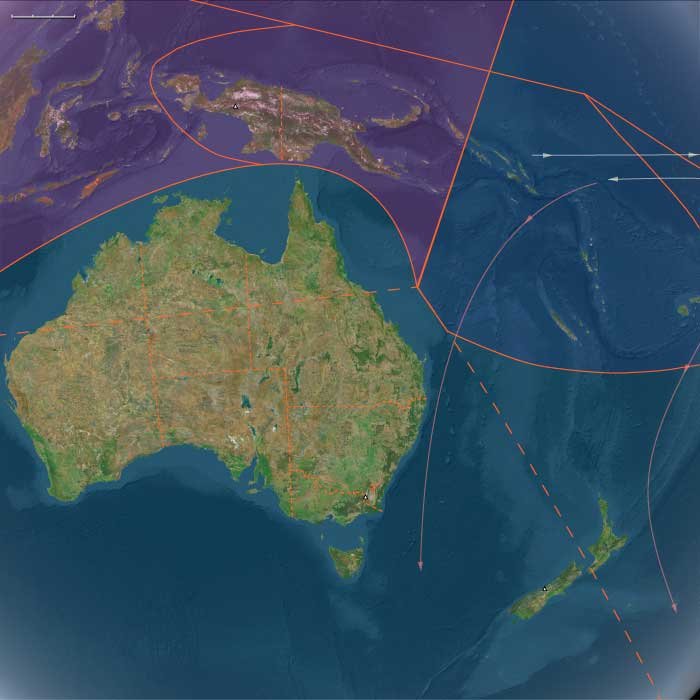
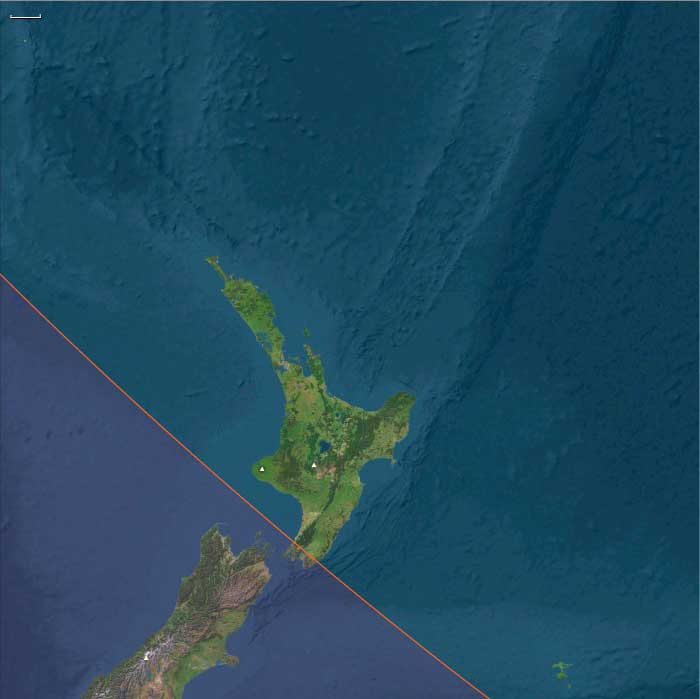
Geographic scope: This subregion includes Norfolk Island, the Kermadec Islands, the Chatham Islands, and all of New Zealand’s North Island except for the extreme southwest.
Climate and Environmental Conditions
Overall climatic stability was punctuated by notable El Niño and La Niña episodes, which affected rainfall distribution and temperature patterns. Eastern North Island districts experienced periodic droughts, while western and northern areas occasionally endured heavy rain events and flooding. The Chatham Islands retained their cool, windy climate, the Kermadec Islands remained subtropical with occasional cyclone influence, and Norfolk Island maintained its mild, oceanic regime.
Vegetation and Landscape
North Island (excluding extreme southwest): Remaining native forests persisted mainly in upland protected reserves, rugged ranges, and isolated valleys. Lowland areas were dominated by agricultural land and exotic forestry plantations, particularly radiata pine. Alpine vegetation was confined to high volcanic summits—Ruapehu, Ngauruhoe, Tongariro, Mt Taranaki—while wetland conservation initiatives increased.
Chatham Islands: Coastal forest restoration efforts began alongside sheep grazing.
Kermadec Islands: Native evergreen forests continued to recover under pest control programs.
Norfolk Island: Native pines and hardwoods received greater protection, with replanting schemes initiated.
Political and Social Context
This period saw the consolidation of Māori political activism into lasting policy changes. In 1985, the Waitangi Tribunal was empowered to investigate historical grievances dating back to 1840, allowing for significant treaty settlement processes. High-profile settlements and the return of land and resources to Māori iwi marked a turning point in Crown–Māori relations. The period also saw landmark protests and legal actions reinforcing Treaty of Waitangi principles.
In the Chatham Islands, Moriori identity and heritage experienced renewed recognition, with cultural and historical research gaining support. Norfolk Island continued under Australian administration, negotiating the balance between local autonomy and federal oversight. The Kermadec Islands were managed primarily as a nature reserve, with access limited to research and conservation personnel.
Economic Activity
In the North Island, agriculture modernized with increased mechanization and diversification into horticulture, wine production, and high-value export crops. Dairy and sheep farming remained central, though international market fluctuations affected rural economies. Commercial fishing, especially in the 200-mile Exclusive Economic Zone, remained an important sector. Tourism grew rapidly, driven by interest in Māori cultural sites, geothermal attractions, and coastal recreation.
Cultural Developments
The Māori Renaissance gathered further momentum, with the revitalization of te reo Māori through immersion schools (kōhanga reo), broadcasting, and legislation making it an official language in 1987. Carving, weaving, performing arts, and tribal governance structures strengthened.
In the Chatham Islands, Moriori and Māori communities worked to preserve and transmit local traditions. Norfolk Island maintained its distinctive blend of Pitcairn heritage and Australian influences. The Kermadec Islands gained increasing recognition as a unique ecological site of global significance.
Groups
- Moriori people
- Maori people
- Pitcairn Islands (United Kingdom overseas territory)
- Norfolk Island, (Australian) Territory of
- Australia, Commonwealth of
- Britain (United Kingdom of Great Britain and Northern Ireland)
- Commonwealth of Nations (British)
- New Zealand (Aotearoa)
Topics
Commodoties
Subjects
Regions
Subregions
Years: 1984 - 1995
Groups
- Moriori people
- Maori people
- Pitcairn Islands (United Kingdom overseas territory)
- Norfolk Island, (Australian) Territory of
- Australia, Commonwealth of
- Britain (United Kingdom of Great Britain and Northern Ireland)
- Commonwealth of Nations (British)
- New Zealand (Aotearoa)
Topics
Commodoties
Subjects
Regions
Subregions