
South Polynesia (1972 – 1983 CE) …
Years: 1972 - 1983
South Polynesia (1972 – 1983 CE)
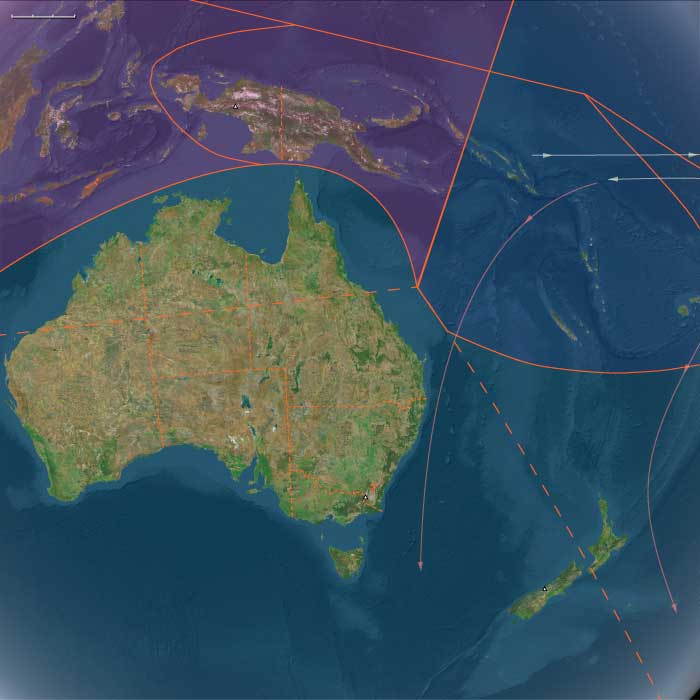
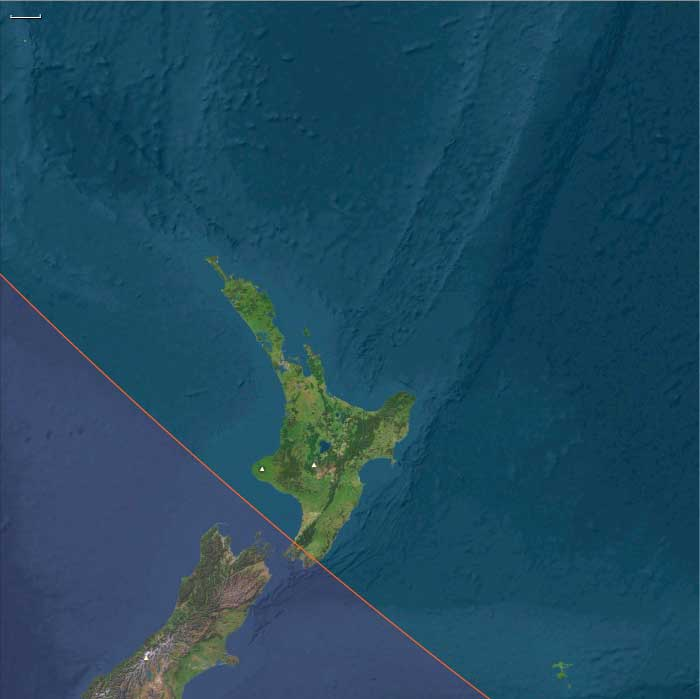
Geographic scope: This subregion includes Norfolk Island, the Kermadec Islands, the Chatham Islands, and all of New Zealand’s North Island except for the extreme southwest.
Climate and Environmental Conditions
The decade was marked by a generally temperate maritime climate, with year-to-year variability driven by El Niño and La Niña events. Eastern North Island districts occasionally experienced drought, while northern and western areas saw periods of heavy rainfall. The Chatham Islands retained their cool, windy, cloudy conditions; the Kermadec Islands remained subtropical, though exposed to periodic tropical cyclones; and Norfolk Island enjoyed a mild, oceanic climate.
Vegetation and Landscape
North Island (excluding extreme southwest): By this period, much of the original lowland podocarp–broadleaf forest had long been replaced by farmland, pine plantations, or urban development. Remaining native forests were concentrated in upland reserves, rugged terrain, and protected areas. Alpine vegetation persisted only above ~1500 m on Ruapehu, Ngauruhoe, Tongariro, Mt Taranaki, and other volcanic peaks. Wetlands were reduced but increasingly subject to restoration efforts.
Chatham Islands: Coastal vegetation remained modified by pastoral use, but conservation initiatives began to gain momentum.
Kermadec Islands: Native evergreen subtropical forests persisted, with active pest and weed control in some areas.
Norfolk Island: Remaining native pines and hardwood forests were subject to protection programs.
Political and Social Context
In the North Island, the 1970s brought intensified Māori political activism. The Māori Land March of 1975, led by Whina Cooper, highlighted longstanding grievances over land alienation and treaty breaches. This movement, alongside the establishment of the Waitangi Tribunal in the same year, signaled a shift toward addressing historical injustices under the Treaty of Waitangi. Protests at places such as Bastion Point (1977–78) demonstrated the determination of Māori communities to defend ancestral land.
In the Chatham Islands, Moriori and Māori communities navigated changes in fishing rights and resource management. Norfolk Island’s population debated issues of governance and local autonomy under Australian administration, while the Kermadec Islands remained uninhabited aside from research and monitoring personnel.
Economic Activity
Agriculture, forestry, and fishing remained central to the North Island’s economy. Dairy and sheep farming continued to dominate rural areas, while pine forestry expanded in central districts. Fishing rights and quotas became more contested, with the 200-mile Exclusive Economic Zone declared in 1978 extending New Zealand’s maritime jurisdiction over much of this subregion’s surrounding waters.
Tourism began to grow as an important sector, with visitors drawn to cultural sites, volcanic landscapes, and coastal environments. Conservation and eco-tourism efforts emerged in tandem with environmental awareness campaigns.
Cultural Developments
The 1970s and early 1980s saw the strengthening of the Māori Renaissance, with renewed interest in te reo Māori, traditional arts, and tribal governance. Urban marae were established to serve growing Māori populations in cities. Cultural exchange and preservation became priorities, supported by community organizations and government funding.
In the Chatham Islands, both Moriori and Māori worked to preserve unique local traditions. Norfolk Island maintained its distinct blend of Pitcairn heritage and Australian governance influences, while the Kermadec Islands gained recognition for their scientific and conservation value.
People
Groups
- Moriori people
- Maori people
- Pitcairn Islands (United Kingdom overseas territory)
- Norfolk Island, (Australian) Territory of
- Britain (United Kingdom of Great Britain and Northern Ireland)
- Australia, Commonwealth of
- Commonwealth of Nations (British)
Topics
Commodoties
Subjects
Regions
Subregions
Years: 1972 - 1983
People
Groups
- Moriori people
- Maori people
- Pitcairn Islands (United Kingdom overseas territory)
- Norfolk Island, (Australian) Territory of
- Britain (United Kingdom of Great Britain and Northern Ireland)
- Australia, Commonwealth of
- Commonwealth of Nations (British)
Topics
Commodoties
Subjects
Regions
Subregions