
The Siege of Tarifa (Winter 1811–1812) – …
Years: 1811 - 1811
December
The Siege of Tarifa (Winter 1811–1812) – A Failed French Assault
As part of Napoleon’s efforts to consolidate French control in southern Spain, Marshal Claude Victor launched an attack on the small Anglo-Spanish garrison at Tarifa during the winter of 1811–1812. However, his attempt to crush the defenders was ultimately frustrated by torrential rains and determined resistance, forcing the French to abandon their siege efforts.
Tarifa’s Strategic Importance
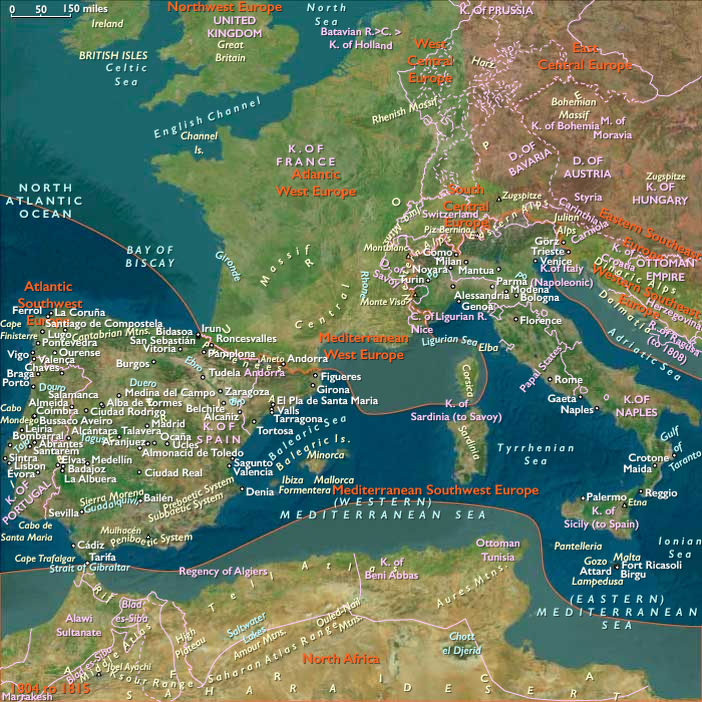
- Tarifa, located on the southern coast of Spain, was a key defensive stronghold controlling access to the Strait of Gibraltar.
- Its capture would have threatened British naval dominance in the region, allowing the French to challenge British resupply operations in the Mediterranean.
- The garrison consisted of Anglo-Spanish forces, who braced for a prolonged siege.
The French Assault and the Elements Against Victor
- Over the winter of 1811–1812, Marshal Victor’s troops launched attacks on Tarifa’s outer defenses, hoping to overwhelm the small garrison.
- However, the fortifications held, with the defenders resisting fiercely despite being outnumbered.
- Torrential rains wreaked havoc on the French siege operations, turning the battlefield into a quagmire and flooding French trenches, making further assaults impossible.
Outcome – A Failed French Siege
- Victor’s troops were unable to breach Tarifa’s defenses, and the weather conditions made continued operations untenable.
- By early 1812, the French abandoned their assault, marking the end of their efforts to capture Tarifa.
- The defenders' resilience ensured that the town remained in Allied hands, protecting British and Spanish supply routes.
Strategic Consequences
- The failed siege demonstrated that the French were losing their ability to dominate southern Spain, particularly in the face of combined British and Spanish resistance.
- With French efforts at Tarifa and Cádiz both unsuccessful, the initiative in the Peninsular War continued shifting toward Wellington and the Allies.
- This failure was one of several setbacks that would culminate in the French withdrawal from Andalusia later in 1812.
The Siege of Tarifa marked the end of French offensive operations in the region, reinforcing the growing momentum of Allied forces as the Peninsular War moved toward its climax.
Locations
People
- André Masséna
- Arthur Wellesley, 1st Duke of Wellington
- Auguste Marmont
- Nicolas Jean-de-Dieu Soult
- Pierre Victor, baron Malouet
- William Carr Beresford, 1st Viscount Beresford
Groups
- Britain (United Kingdom of Great Britain and Ireland)
- France, (first) Empire of
- Spain, Bonapartist Kingdom of
Topics
Commodoties
Subjects
Regions
Subregions
Related Events
Showing 10 events out of 21496 total
Years: 1811 - 1811
December
Locations
People
- André Masséna
- Arthur Wellesley, 1st Duke of Wellington
- Auguste Marmont
- Nicolas Jean-de-Dieu Soult
- Pierre Victor, baron Malouet
- William Carr Beresford, 1st Viscount Beresford
Groups
- Britain (United Kingdom of Great Britain and Ireland)
- France, (first) Empire of
- Spain, Bonapartist Kingdom of
Topics
Commodoties
Subjects
Regions
Subregions