
Filters:
The Hindu Widows' Remarriage Act, 1856, also …
Years: 1856 - 1856
July
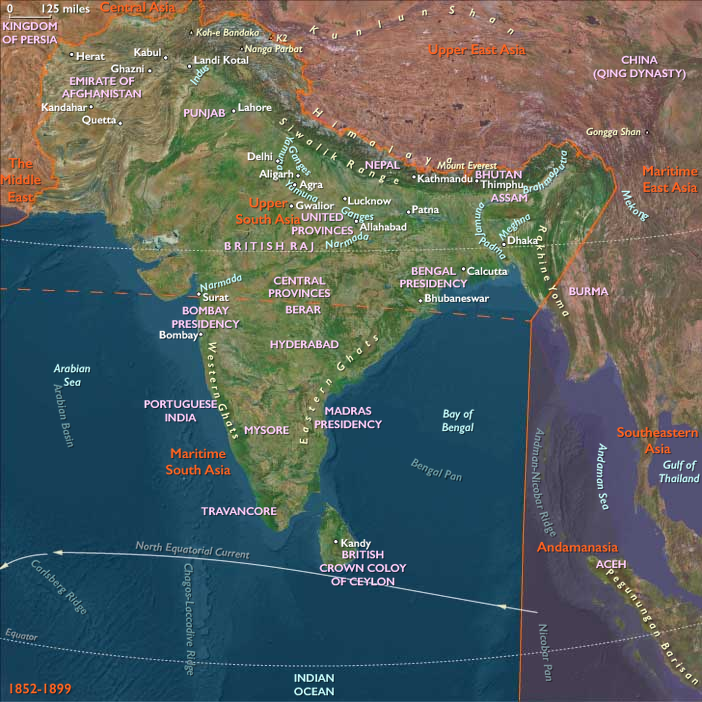
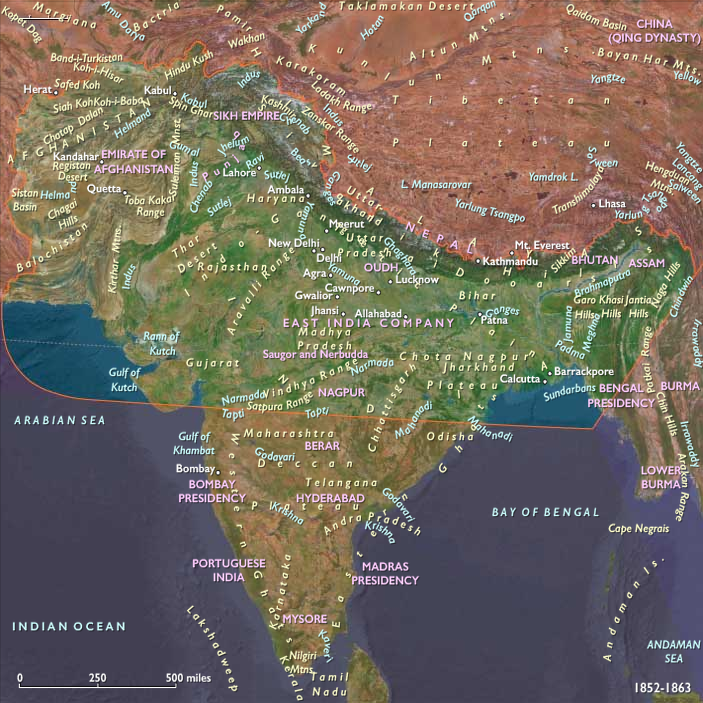
The Hindu Widows' Remarriage Act, 1856, also Act XV, 1856, enacted on July 26, 1856, legalizes the remarriage of Hindu widows in all jurisdictions of India under East India Company rule.
It had been drafted by Lord Dalhousie, but it is passed by his successor Lord Canning.
It is the first major social reform legislation after the abolition of Sati by Lord William Bentinck.
To protect what it considers family honor and family property, upper-caste Hindu society had long disallowed the remarriage of widows, even child and adolescent ones, all of whom were expected to live a life of austerity and abnegation.
The Hindu Widows' Remarriage Act of 1856 provides legal safeguards against loss of certain forms of inheritance for remarrying a Hindu widow, though, under the Act, the widow forsakes any inheritance due her from her deceased husband.
Especially targeted in the act are Hindu child widows whose husbands had died before consummation of marriage.
Ishwar Chandra Vidyasagar, who has been the most prominent campaigner. had petitioned the Legislative council.
There was a counter petition against the proposal with nearly four times more signatures by Radhakanta Deb and the Dharma Sabha, but Lord Dalhousie had personally finalized the bill despite the opposition and it being considered a flagrant breach of Hindu customs as prevalent at this time.
It had been drafted by Lord Dalhousie, but it is passed by his successor Lord Canning.
It is the first major social reform legislation after the abolition of Sati by Lord William Bentinck.
To protect what it considers family honor and family property, upper-caste Hindu society had long disallowed the remarriage of widows, even child and adolescent ones, all of whom were expected to live a life of austerity and abnegation.
The Hindu Widows' Remarriage Act of 1856 provides legal safeguards against loss of certain forms of inheritance for remarrying a Hindu widow, though, under the Act, the widow forsakes any inheritance due her from her deceased husband.
Especially targeted in the act are Hindu child widows whose husbands had died before consummation of marriage.
Ishwar Chandra Vidyasagar, who has been the most prominent campaigner. had petitioned the Legislative council.
There was a counter petition against the proposal with nearly four times more signatures by Radhakanta Deb and the Dharma Sabha, but Lord Dalhousie had personally finalized the bill despite the opposition and it being considered a flagrant breach of Hindu customs as prevalent at this time.
Locations
People
Groups
- Hinduism
- East India Company, British (United Company of Merchants of England Trading to the East Indies)
- India, East India Company rule in
- Britain (United Kingdom of Great Britain and Ireland)
Subjects
Regions
Subregions
Years: 1856 - 1856
July
Locations
People
Groups
- Hinduism
- East India Company, British (United Company of Merchants of England Trading to the East Indies)
- India, East India Company rule in
- Britain (United Kingdom of Great Britain and Ireland)
Subjects
Regions
Subregions