
Sisebert’s rebellion having been suppressed, Egica calls …
Years: 693 - 693
Sisebert’s rebellion having been suppressed, Egica calls a general council of the church in Spain to deal with the future security of the kingship and the discipline of the renegades.
Sixty bishops, five abbots, and six counts attend the council.
The bishops of Narbonensis cannot attend on account of an epidemic.
The Sixteenth Council of Toledo, the second of Egica's three councils, first meets on April 25, 693.
The king opens the council with a speech declaring that any officials who betrayed the trust of the Gothic people would be driven from office and enslaved to the treasury, forfeiting their property to the royal coffers.
The king, the council concurs, could bestow this confiscated property on anyone he wished, the church obviously not excluded.
The descendants of rebels are likewise prohibited from holding any palatine office.
Finally, the rebels are anathematized on the basis of the seventy-fifth canon of the Fourth Council.
On May 2, the final day of the council, the bishops solemnly excommunicate Sisebert for life and defrock him.
He will be allowed communion on his deathbed only, unless the king pardons him earlier.
Furthermore, his descendants are barred from holding any offices and any other rebel or descendant of a rebel who might rise up against Ergica is to be sold into slavery.
Without precedent, the bishops transfer the archbishop of Seville, Felix, to Toledo and the archbishop of Braga, Faustinus, to Seville.
They also order the bishops of Narbonensis to approve the decrees of the Sixteenth Council in a local synod of their own.
The council also reforms the laws of the realm on several points.
Incorporated into the Forum Iudicum formulated by Chindasuinth, published by Recceswinth, and modified by Erwig is the law that any oath rendered unto anybody other than the monarch is invalid and illegal.
A few laws are revoked and some are reestablished, such as that prohibiting the mutilation of slaves.
The council reaffirms Chindasuinth's penalty of castration for homosexuality, but only defrocking and exile for clerical offenders, though Egica increases that penalty to castration as well, after the council.
The council is also important in the long legal history of the Visigoths in suppressing Judaism.
Egica has apparently added to Erwig's law code tax-freedom to Jewish conversos and transferred their former burden to the unconverted.
At the Sixteenth Council, converts are allowed to trade with Christians, but not until he has proved himself by recitation of creeds and eating of non-kosher food.
Penalties are even enacted against Christians who transact with unconverted or unproven Jews.
In regards to the church, aside from dealing with the rebel Sisebert and the vacancy of his see, two important decrees are promulgated.
Firstly, the bishops are ordered to maintain all church edifices in good repair and keep a priest in each parish.
Secondly, the bishops are ordered to take all offerings offered by "rustics" to pagan gods and exterminate these continuing practice (no doubt only occurring in the remotest provincial backwaters).
Locations
People
Groups
Topics
Commodoties
Subjects
Regions
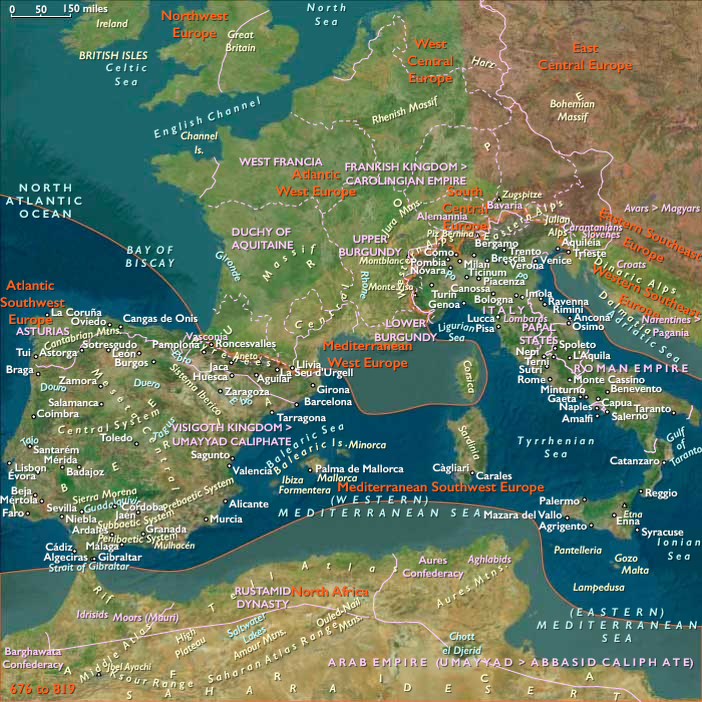
Subregions
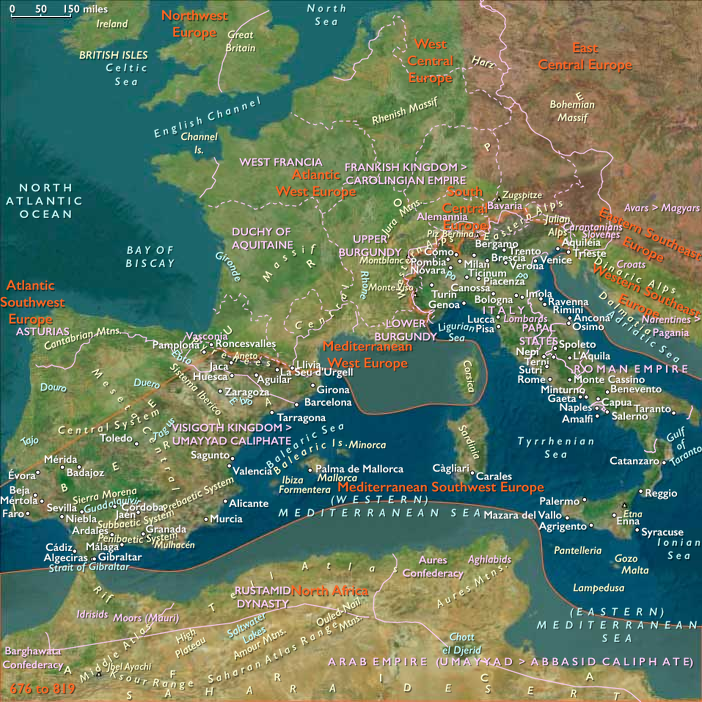
Years: 693 - 693
Locations
People
Groups
Topics
Commodoties
Subjects
Regions
Subregions