
Sir John Norreys, owing to troubles in …
Years: 1596 - 1596
December
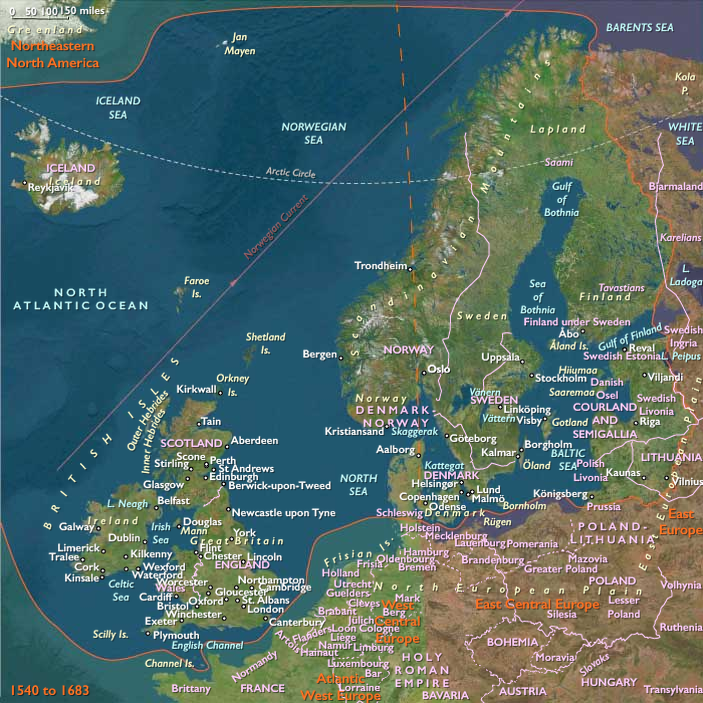
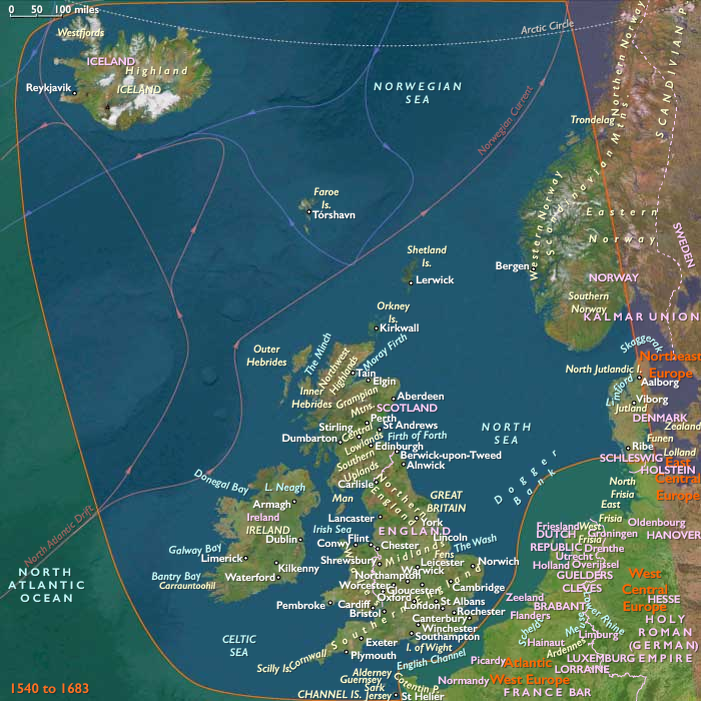
Sir John Norreys, owing to troubles in the province of Connaught, arrives with Sir Geoffrey Fenton in June 1596 to parley with the local lords.
He censures the presidential government of Sir Richard Bingham for having stirred up the lords into rebellion—although the influence of Tyrone's ally, Hugh Roe O'Donnell, in this respect is also recognized, especially since Sligo castle had lately fallen to the rebels.
Bingham is suspended and detained in Dublin (he will later be detained in the Fleet in London).
During a campaign of six months, Norreys fails however to restore peace to Connaught, and, despite a nominal submission by the lords, hostilities beak out again in December 1596 as soon as he has returned north to Newry.
Heartily sick of his situation at this point, Norreys seeks to be recalled, citing poor health and the effect upon him of various controversies.
Russell, as usual, weighs in with criticism and claims that Norreys is feigning poor health in Athlone and seeking to have the lord deputy caught up in his failure.
An analysis of this situation in October 1596, which had been backed by the Earl of Essex, had it that Norreys' style was "to invite to dance and be merry upon false hopes of a hollow peace".
This approach is in such contrast to Russell's instincts that there is a risk of collapse in the Irish government.
It is decided in the end to remove both men from Ulster in late 1596, sending Russell back to England and Norreys to Munster.
Locations
People
Groups
- Christians, Roman Catholic
- England, (Tudor) Kingdom of
- Protestantism
- Ireland, (English) Kingdom of
- Spain, Habsburg Kingdom of
Topics
- Protestant Reformation
- Counter-Reformation (also Catholic Reformation or Catholic Revival)
- Elizabethan Period
- Nine Years' War in Ireland, or Tyrone's Rebellion
Commodoties
Subjects
Regions
Subregions
Years: 1596 - 1596
December
Locations
People
Groups
- Christians, Roman Catholic
- England, (Tudor) Kingdom of
- Protestantism
- Ireland, (English) Kingdom of
- Spain, Habsburg Kingdom of
Topics
- Protestant Reformation
- Counter-Reformation (also Catholic Reformation or Catholic Revival)
- Elizabethan Period
- Nine Years' War in Ireland, or Tyrone's Rebellion
Commodoties
Subjects
Regions
Subregions