
Lelio Francesco Maria Sozini, or simply Lelio …
Years: 1562 - 1562
Lelio Francesco Maria Sozini, or simply Lelio (Latin Socinus) Sozini, had returned in August 1559 to Zürich, where he dies at the age of thirty-seven, shortly after the sequestration of his property by the Inquisition, on May 14, 1562.
Political events had drawn the Siena-born theologian back to Italy in June 1552; two visits to Siena (where freedom of speech was for that moment possible, owing to the shaking off of the Spanish yoke) had brought him into fruitful contact with his young nephew Fausto.
He was at Padua at the date of Servetus's execution, whence he traveled in January 1554 to Basel, in April to Geneva, and in May to Zürich.
Personable and generally well liked, Sozini had received a warm reception from the Reformers Melancthon, Calvin, and Bullinger; the last of these is his closest intimate.
Sozini's theological difficulties turn on the resurrection of the body, predestination, the ground of salvation, the doctrinal basis of the original gospel, the nature of repentance, and the sacraments.
It was the fate of Servetus that had directed his mind to the problem of the Trinity.
At Geneva, he had made incautious remarks on the common doctrine, emphasized in a subsequent letter to Martinengo, the Italian pastor.
Bullinger, at the instance of correspondents, including Calvin, had questioned Sozini as to his faith, and in July 1555 had received from him an explicitly orthodox confession with a frank reservation of the right of further inquiry.
The Inquisition meanwhile has its eye on Sozini’s family; his brother Cornelio is imprisoned at Rome; his brothers Celso and Camillo and his nephew Fausto are reputati Luterani, and Camillo had fled from Siena.
Political events had drawn the Siena-born theologian back to Italy in June 1552; two visits to Siena (where freedom of speech was for that moment possible, owing to the shaking off of the Spanish yoke) had brought him into fruitful contact with his young nephew Fausto.
He was at Padua at the date of Servetus's execution, whence he traveled in January 1554 to Basel, in April to Geneva, and in May to Zürich.
Personable and generally well liked, Sozini had received a warm reception from the Reformers Melancthon, Calvin, and Bullinger; the last of these is his closest intimate.
Sozini's theological difficulties turn on the resurrection of the body, predestination, the ground of salvation, the doctrinal basis of the original gospel, the nature of repentance, and the sacraments.
It was the fate of Servetus that had directed his mind to the problem of the Trinity.
At Geneva, he had made incautious remarks on the common doctrine, emphasized in a subsequent letter to Martinengo, the Italian pastor.
Bullinger, at the instance of correspondents, including Calvin, had questioned Sozini as to his faith, and in July 1555 had received from him an explicitly orthodox confession with a frank reservation of the right of further inquiry.
The Inquisition meanwhile has its eye on Sozini’s family; his brother Cornelio is imprisoned at Rome; his brothers Celso and Camillo and his nephew Fausto are reputati Luterani, and Camillo had fled from Siena.
Locations
People
Groups
Topics
Subjects
Regions
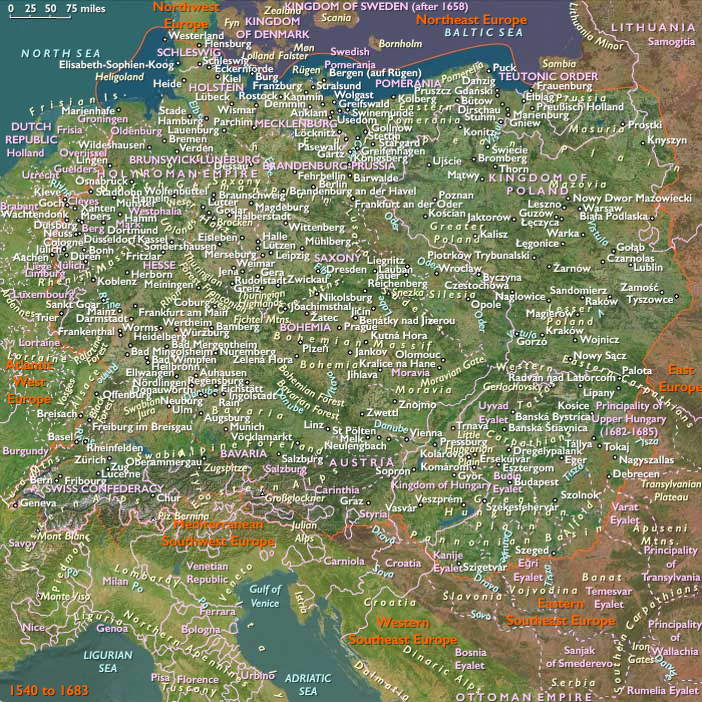
Subregions
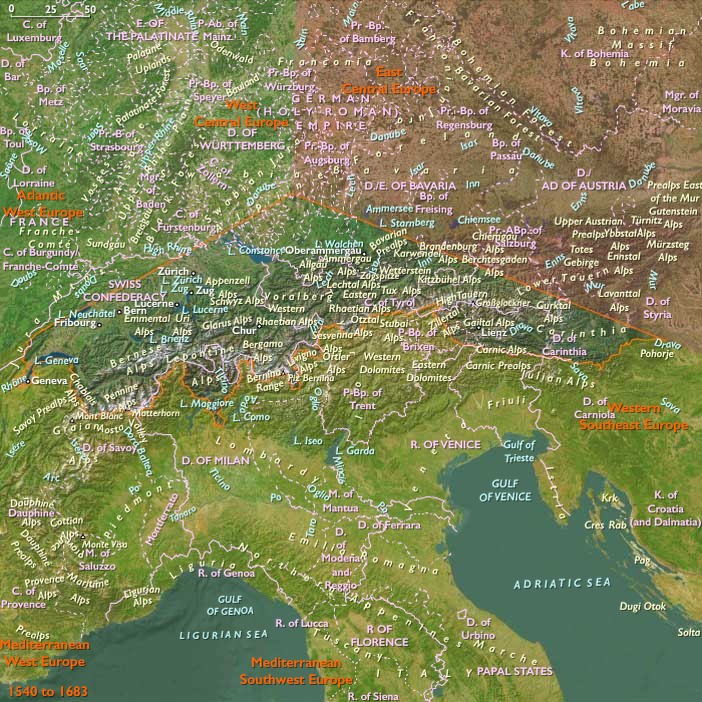
Related Events
Showing 10 events out of 35823 total
Years: 1562 - 1562
Locations
People
Groups
Topics
Subjects
Regions
Subregions