
Sicily has always been prone to tyranny …
Years: 410BCE - 410BCE
Sicily has always been prone to tyranny and political instability, partly because the island is threatened by potentially hostile neighbors ready to encroach and partly because there is a large population of non-Greek indigenous inhabitants such as the Sicel forces mobilized in mid-century by Ducetius.
Polis life has never struck deep enough roots, and populations tend to be mixed and are too often transplanted.
Immediately after the severe defeat of Athens by the Spartans and their allies at Cyzicus.
a radical democracy had been installed in Syracuse, at the instigation of an extremist called Diocles.
The leader of the moderate democrats, Hermocrates, had in held the position of admiral during the battle.
As a result, Hermocrates, who happens to be absent at the time, is banned "in absentia" in 410.
(Hermocrates, who will not return to Sicily until 408 BCE, will die in a street fight after a failed coup in Syracuse in 407 BCE.
Locations
People
Groups
- Sicels
- Ionians
- Dorians
- Elymians
- Greece, classical
- Sicily, classical
- Italy, classical
- Sparta, Kingdom of
- Carthage, Kingdom of
- Segesta, (Elymian-Ionian Greek) city-state of
- Magna Graecia
- Syracuse, Corinthian city-state of
- Etruria
- Himera, (Dorian-Ionian Greek) city-state of
- Peloponnesian League (Spartan Alliance)
- Athenian Empire (Delian League)
Topics
- Iron Age Europe
- Greek colonization
- Iron Age Cold Epoch
- Classical antiquity
- Sicilian Wars, or Carthaginian-Syracusan Wars
- Peloponnesian War, Second or Great
- Decelean War, or Ionian War
- Sicilian War, Second, or Second Carthaginian-Syracusan War
- Cyzicus, Battle of
Commodoties
Subjects
- Commerce
- Watercraft
- Environment
- Labor and Service
- Conflict
- Mayhem
- Faith
- Government
- Custom and Law
- Technology
Regions
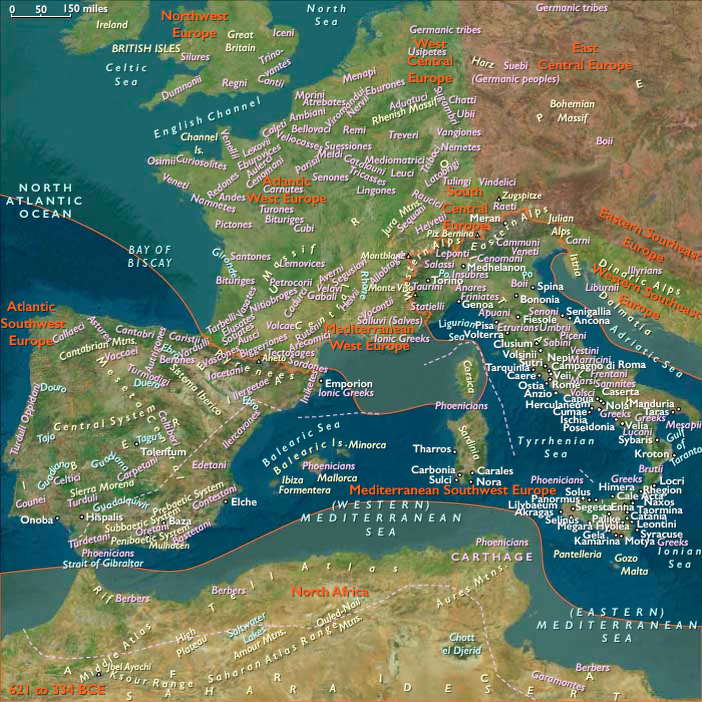
Subregions
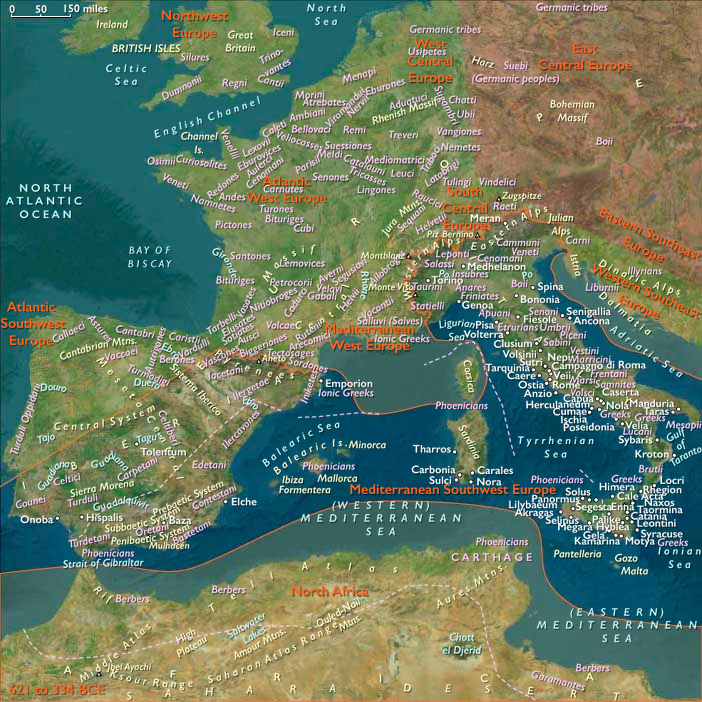
Related Events
Showing 10 events out of 65050 total
Years: 410BCE - 410BCE
Locations
People
Groups
- Sicels
- Ionians
- Dorians
- Elymians
- Greece, classical
- Sicily, classical
- Italy, classical
- Sparta, Kingdom of
- Carthage, Kingdom of
- Segesta, (Elymian-Ionian Greek) city-state of
- Magna Graecia
- Syracuse, Corinthian city-state of
- Etruria
- Himera, (Dorian-Ionian Greek) city-state of
- Peloponnesian League (Spartan Alliance)
- Athenian Empire (Delian League)
Topics
- Iron Age Europe
- Greek colonization
- Iron Age Cold Epoch
- Classical antiquity
- Sicilian Wars, or Carthaginian-Syracusan Wars
- Peloponnesian War, Second or Great
- Decelean War, or Ionian War
- Sicilian War, Second, or Second Carthaginian-Syracusan War
- Cyzicus, Battle of
Commodoties
Subjects
- Commerce
- Watercraft
- Environment
- Labor and Service
- Conflict
- Mayhem
- Faith
- Government
- Custom and Law
- Technology
Regions
Subregions