
The Domestication and Spread of Cattle in …
Years: 3933BCE - 3790BCE
The Domestication and Spread of Cattle in South Asia, the Middle East, and Europe (4th Millennium BCE)
By the 4th millennium BCE, domesticated cattle had become an integral part of agrarian societies in South Asia, the Middle East, and Europe, marking a major advancement in agriculture, animal husbandry, and economic development.
Early Domestication of Cattle
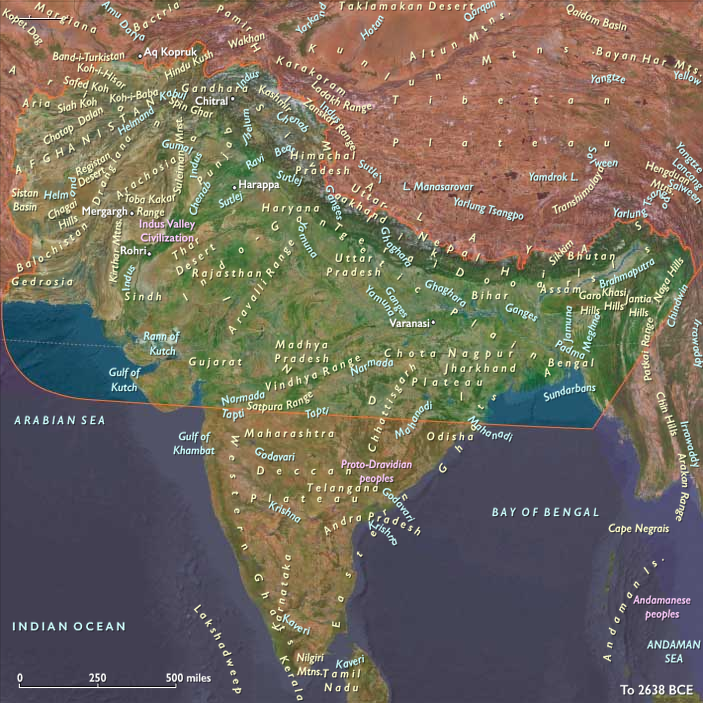
- South Asia – The humped zebu (Bos indicus), believed to have originated in India, was domesticated and adapted to hot, arid climates.
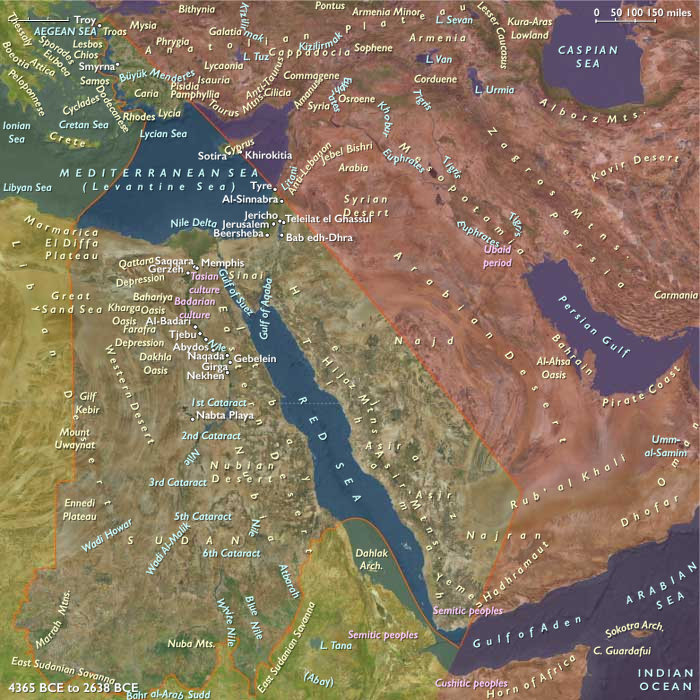
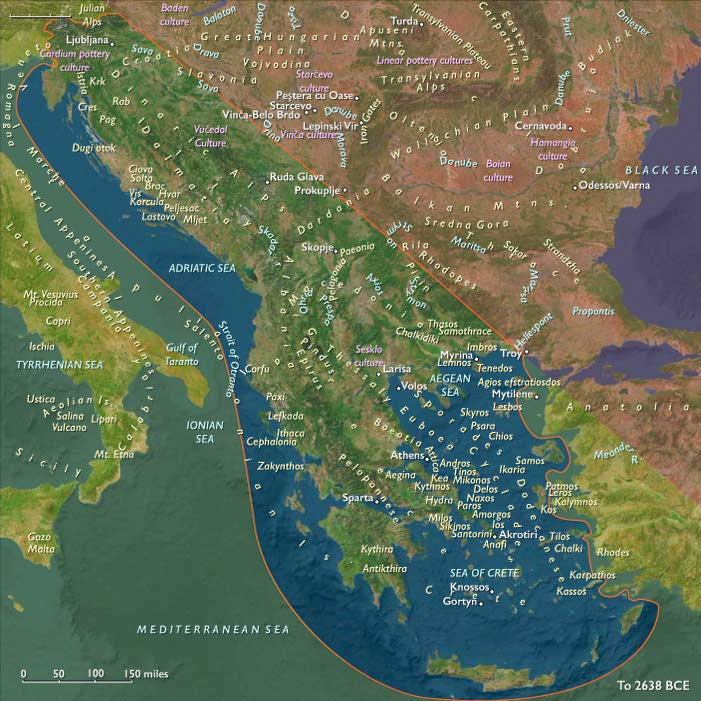
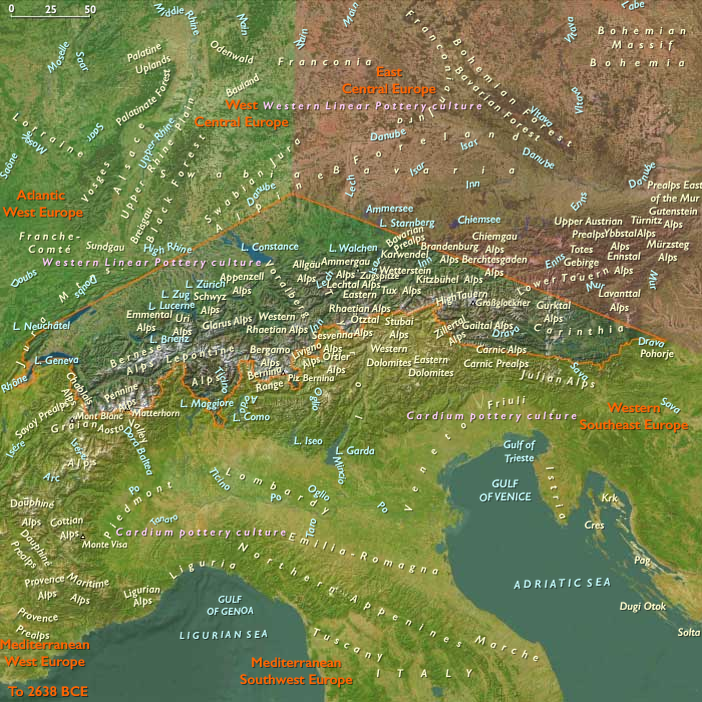
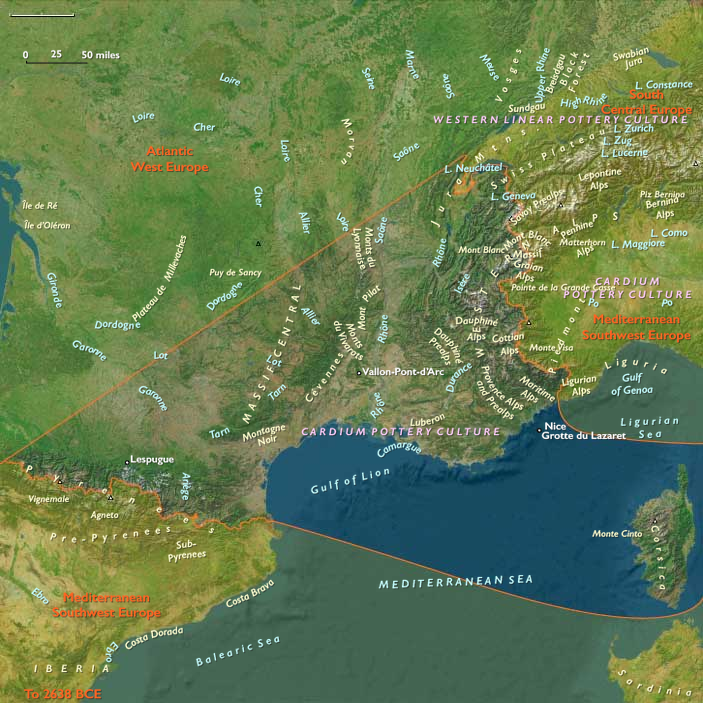
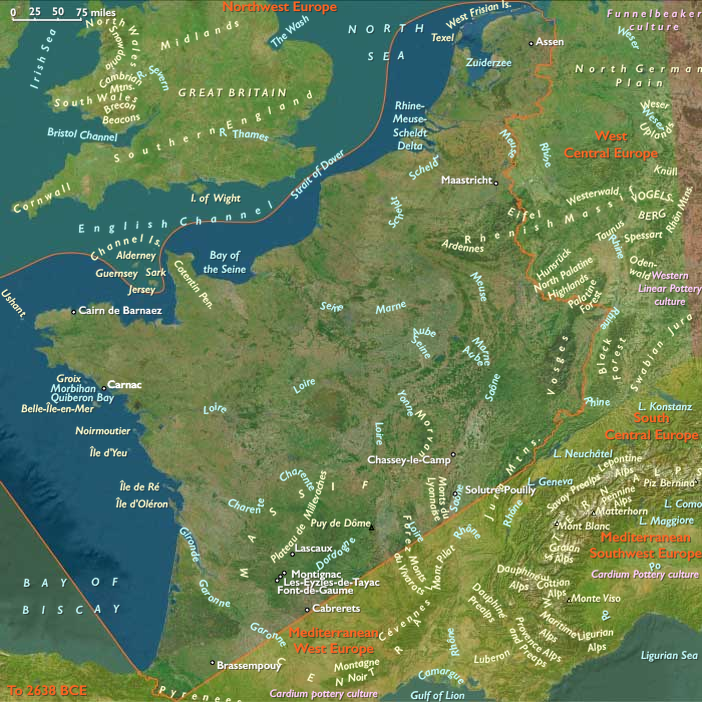
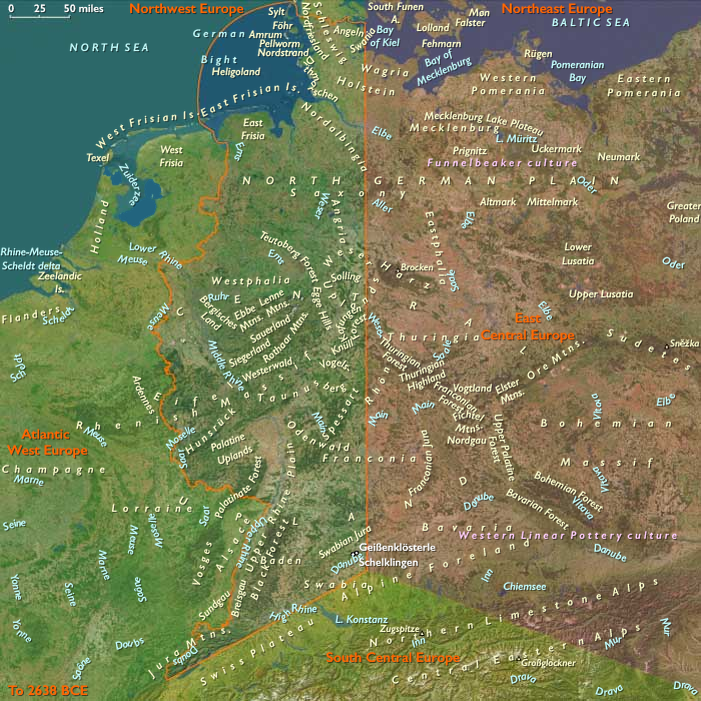
- The Middle East and Europe – Taurine cattle (Bos taurus), domesticated in the Fertile Crescent, spread into Anatolia, the Balkans, and Western Europe.
- Early domesticated cattle were used for:
- Milk and meat production
- Plowing and traction (later developments)
- Ritual and religious significance in early cultures
Spread of Zebu Cattle to the Middle East and Africa
- The humped zebu eventually spread westward into the Middle East and Africa, where it was favored for its:
- Heat resistance and drought tolerance, making it well-suited for arid environments.
- Resistance to disease, particularly in tropical and subtropical regions.
- In Africa, zebu cattle influenced local breeds, such as the Sanga cattle, which emerged from hybridization between zebu and indigenous African cattle.
Impact of Cattle Domestication
- Transformed early agricultural economies, providing a stable food source and labor for farming.
- Enabled larger settlements and permanent communities, as cattle herding supported food surpluses.
- Contributed to social and trade networks, with cattle becoming valuable commodities in exchange and tribute systems.
The domestication and spread of cattle was a defining event in early agricultural societies, shaping the development of pastoralism, trade, and human settlement patterns across Eurasia and Africa.
Topics
Commodoties
Subjects
Regions
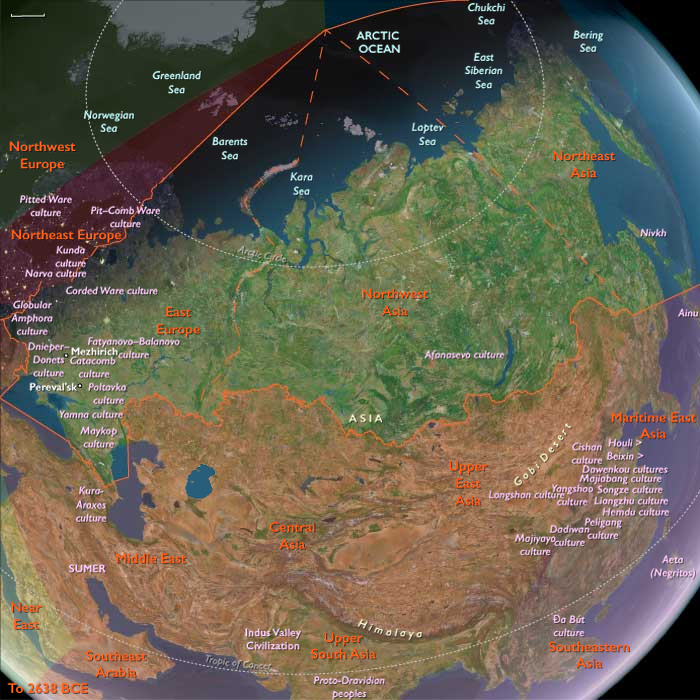
Subregions
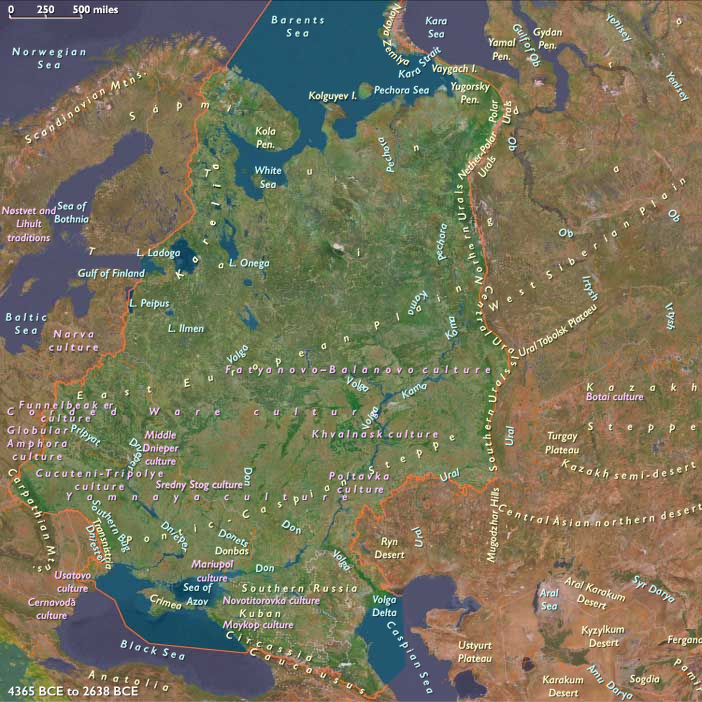
- East Europe
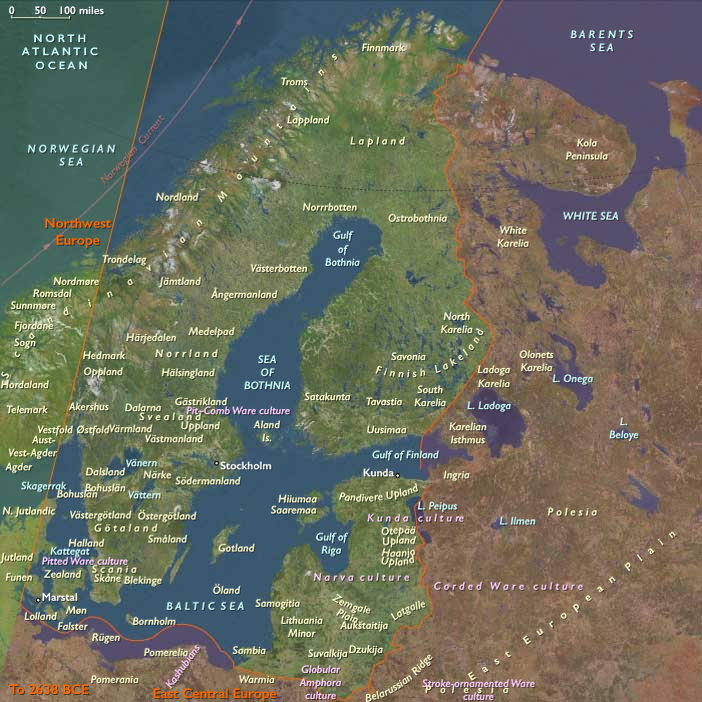
- Northeast Europe
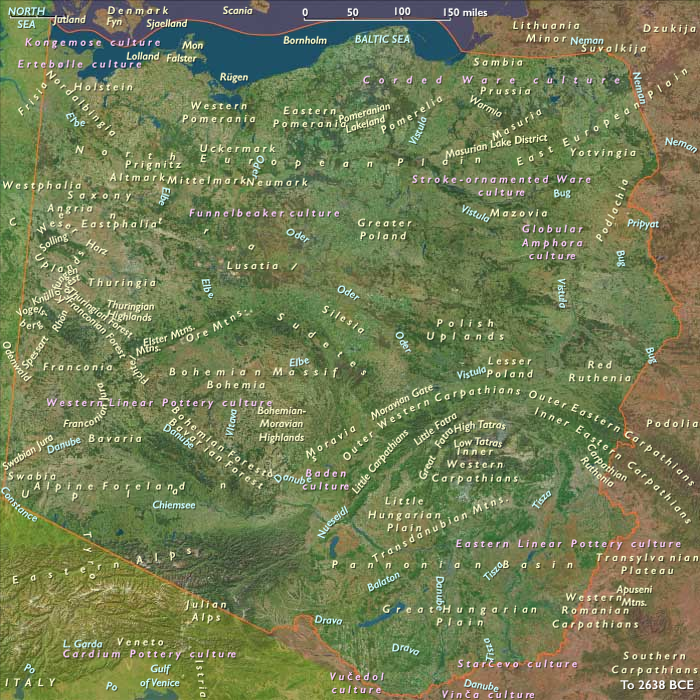
- East Central Europe
- Middle East
- Upper South Asia
- Near East
- Western Southeast Europe
- South Central Europe
- Mediterranean West Europe
- Atlantic West Europe
- West Central Europe

Related Events
Showing 10 events out of 68811 total
Years: 3933BCE - 3790BCE
Topics
Commodoties
Subjects
Regions
Subregions
- East Europe
- Northeast Europe
- East Central Europe
- Middle East
- Upper South Asia
- Near East
- Western Southeast Europe
- South Central Europe
- Mediterranean West Europe
- Atlantic West Europe
- West Central Europe