
Filters:
Great Architectural Achievements of the Early 12th …
Years: 1144 - 1155
Great Architectural Achievements of the Early 12th Century
The early 12th century witnessed the construction of several iconic buildings in both Europe and Southeast Asia, reflecting architectural innovation and cultural grandeur. From Gothic cathedrals in France to Norman fortresses in Italy and the colossal Angkor Wat in Cambodia, this era saw the rise of some of the world’s most significant architectural masterpieces.
European Architectural Milestones
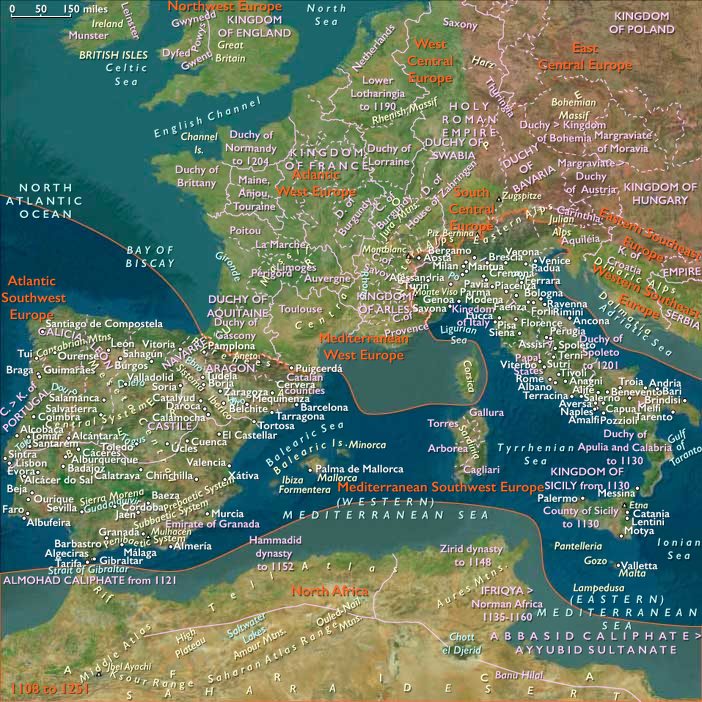
1. The Baptistery of the Cathedral of Pisa (Begun 1153, Romanesque with Gothic influences) – Italy
- Part of the Pisa Cathedral complex, this circular baptistery was constructed in the Romanesque style, with later Gothic modifications.
- It features blind arcades, marble decoration, and a domed roof, blending classical and medieval architectural elements.
- The structure would later become famous for its exceptional acoustics.
2. Castel dell'Ovo (Norman Fortress, 12th Century) – Naples, Italy
- This Norman-built castle in Naples was constructed on the site of ancient Roman fortifications.
- It played a key role in defending the southern Italian coast and was strategically significant in the Kingdom of Sicily.
- The fortress later underwent multiple reconstructions, but its 12th-century Norman origins remain a defining feature.
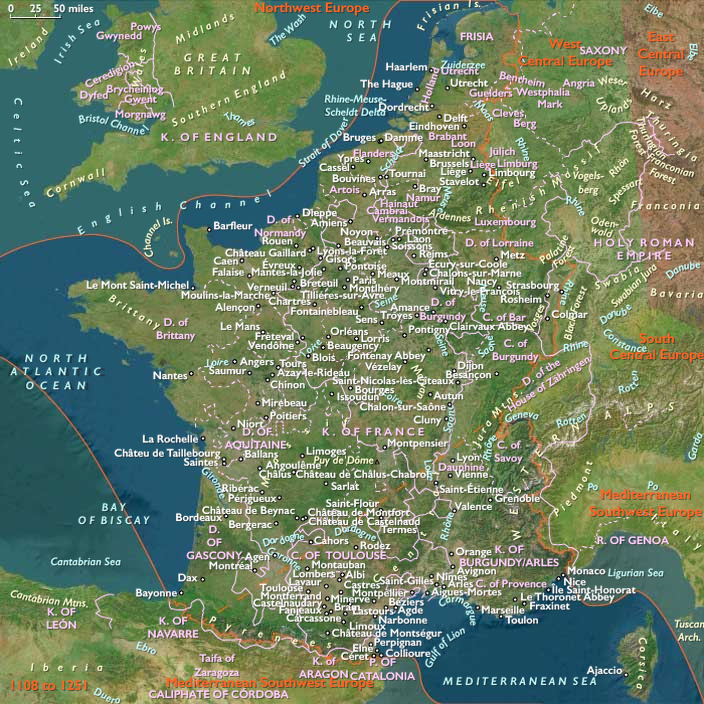
3. The Royal Portal of Chartres Cathedral (Begun c. 1145, Early Gothic) – France
- One of the most significant transitional Gothic facades, the Royal Portal of Chartres Cathedral represents the evolution from Romanesque to Gothic sculpture and design.
- It features three elaborately sculpted doorways, adorned with biblical figures, emphasizing the divine authority of Christ and the role of kingship.
- The structure showcases pointed arches, larger clerestory windows, and intricate tympanum reliefs, setting the stage for full Gothic architecture.
4. The Ambulatory and Radiating Chapels of Saint-Denis (Consecrated 1144, Gothic) – Paris, France
- Under the vision of Abbot Suger, Saint-Denis underwent a groundbreaking reconstruction, introducing key Gothic innovations.
- The ambulatory and radiating chapels featured:
- Ribbed vaults, allowing for greater height and lightness.
- Large stained-glass windows, creating the ethereal effect of "Lux Nova" (New Light).
- Flying buttresses, providing additional structural support for larger windows.
- This redesign marked the official birth of Gothic architecture, influencing all subsequent cathedral construction.
The Colossal Angkor Wat (Early 12th Century) – Cambodia
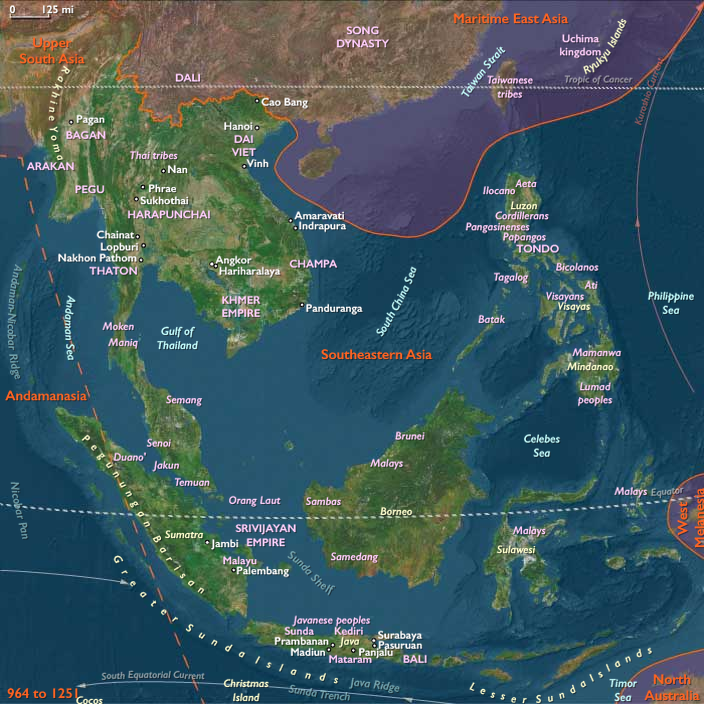
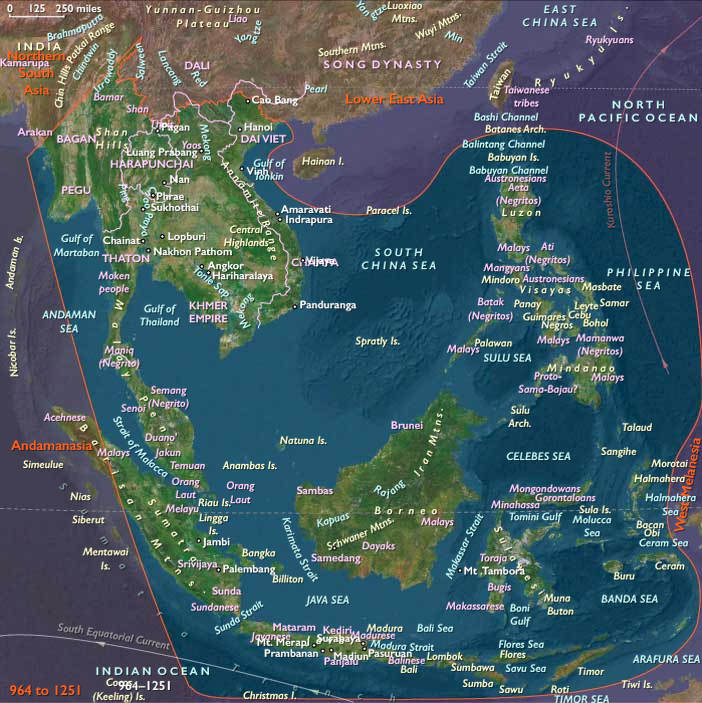
- Angkor Wat, built in the Khmer Empire under King Suryavarman II (c. 1113–1150), remains the largest religious monument in the world.
- Originally a Hindu temple dedicated to Vishnu, it later became a Buddhist site.
- Its architectural features include:
- Massive stone causeways and ceremonial enclosures, symbolizing Mount Meru (the Hindu-Buddhist cosmic mountain).
- Elaborate bas-reliefs, depicting scenes from the Ramayana and Mahabharata.
- Five central towers, representing the five peaks of Mount Meru.
- The scale, precision, and symbolic depth of Angkor Wat make it one of the greatest achievements of Southeast Asian architecture.
Global Architectural Innovation in the 12th Century
These monumental structures, spanning from France to Cambodia, reflect:
- The transition from Romanesque to Gothic in Europe, with a focus on verticality and light.
- The endurance of Norman military architecture, reinforcing feudal rule and coastal defense.
- The fusion of spiritual and imperial power in Angkor Wat, showcasing Khmer engineering and religious devotion.
Together, these buildings shaped the architectural legacy of their respective regions, leaving a lasting impact on religious, political, and cultural identity.
Groups
- Hinduism
- Khmer Empire (Angkor)
- France, (Capetian) Kingdom of
- Pisa, (first) Republic of
- Christians, Roman Catholic
- Sicily, Kingdom of
Topics
Subjects
Regions
Subregions
Years: 1144 - 1155
Groups
- Hinduism
- Khmer Empire (Angkor)
- France, (Capetian) Kingdom of
- Pisa, (first) Republic of
- Christians, Roman Catholic
- Sicily, Kingdom of
Topics
Subjects
Regions
Subregions