
Brittany and Its Shifting Alliances After the …
Years: 1088 - 1088
Brittany and Its Shifting Alliances After the Death of William the Conqueror (1087)
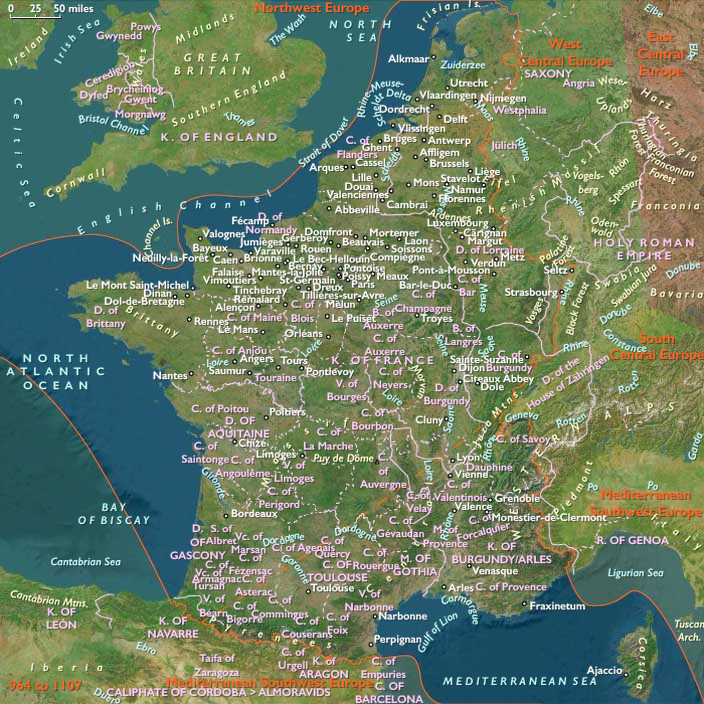
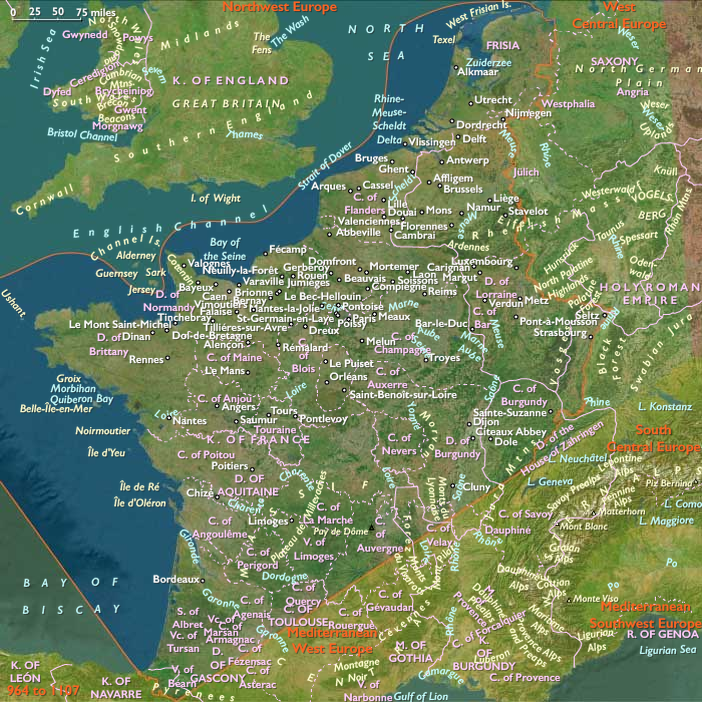
Following William the Conqueror’s death in 1087, the Duchy of Brittany regained its independence, no longer tied to Norman authority. Although many Breton lords had supported William’s conquest of England, receiving large estates there, Brittany itself remained politically fragmented. The French king maintained envoys in the region, ensuring that Brittany remained within the sphere of Capetian influence, though without true centralized control.
Breton Lords and the Norman Conquest of England
-
Many Breton lords played a key role in William’s invasion of England (1066), including:
- Alan Rufus, who was granted vast estates in Yorkshire and became one of the wealthiest landowners in England.
- Ralph de Gael, who was made Earl of Norfolk, though he later rebelled against William in 1075.
- Other Breton nobles, such as Judicael of Totnes and Geoffrey de Dinan, also received landholdings.
-
These lords remained active in English affairs, but their ties to Brittany were complex, as they were more closely aligned with Norman or English interests than with the fragmented Breton duchy.
Brittany’s Fragmented Political Landscape
- Brittany was not a united nation, with local lords holding significant power rather than the duke ruling as an absolute authority.
- Alliances were fluid and often overlapping, with some Breton nobles aligning with Normandy, while others maintained ties with the French crown.
- The King of France maintained envoys in Brittany, ensuring that the duchy remained within the Capetian sphere of influence but without direct control.
Brittany’s Status After 1087: Independence from Normandy
- William’s death in 1087 marked a shift, as Brittany once again regained its independence from Norman dominance.
- The duchy no longer had to acknowledge Norman overlordship, though Norman and English influence remained strong due to landholdings in England.
- The Capetian monarchy sought to assert greater influence in Brittany, though the region remained politically decentralized, with powerful local lords acting autonomously.
Consequences and Future Developments
- The Breton lords in England maintained their estates, making them key players in both English and Breton politics.
- The Duchy of Brittany, while independent, remained divided, as internal rivalries and external pressures from France and Normandy shaped its future.
- Brittany’s strategic position meant that it continued to be a contested region, caught between the expanding power of the Capetians and the ambitions of the Normans and English.
The death of William the Conqueror in 1087 allowed Brittany to reclaim its independence, but the duchy remained politically fractured, with its lords entangled in Norman, English, and French affairs for generations to come.
Locations
People
Groups
Subjects
Regions
Subregions
Related Events
Showing 10 events out of 50381 total
Years: 1088 - 1088
Locations
People
Groups
Subjects
Regions
Subregions