
Filters:
Jégado's trial begins on December 6, 1851 …
Years: 1851 - 1851
December
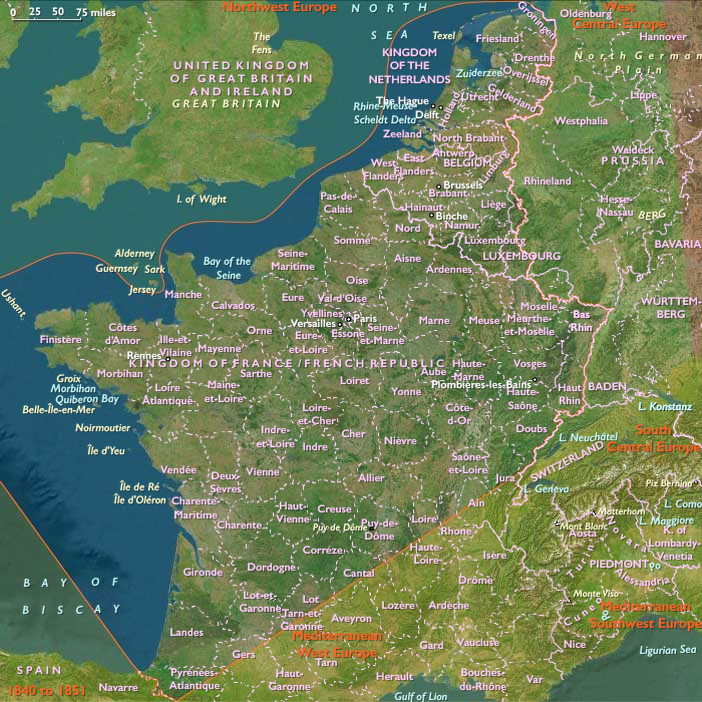
Jégado's trial begins on December 6, 1851 but, due to French laws of permissible evidence and statute of limitations, she is accused only of three murders, three attempted murders and eleven thefts.
At least one later case appears to have been dropped since it involved a child and police are reluctant to upset the parents by an exhumation.
Jégado's behavior in court is erratic, changing from humble mutterings to loud pious shouting and occasional violent outbursts against her accusers
She consistently deniea she even knows what arsenic is, despite evidence to the contrary.
Doctors who had examined her victims had not usually noticed anything suspicious, but when the most recent victims were exhumed, they showed overwhelming evidence of arsenic and possibly antimony.
The defense lawyer, Magloire Dorange, makesa remarkable closing speech, arguing that she needs more time than most to repent and can be spared the death penalty since she is dying of cancer anyway.
The case attracts little attention at the time, pushed off the front pages by the coup d'état in Paris.
Jégado is sentenced to death by guillotine and will be executed in front of a large crowd of onlookers on the Champ-de-Mars in Rennes on February 26, 1852.
At least one later case appears to have been dropped since it involved a child and police are reluctant to upset the parents by an exhumation.
Jégado's behavior in court is erratic, changing from humble mutterings to loud pious shouting and occasional violent outbursts against her accusers
She consistently deniea she even knows what arsenic is, despite evidence to the contrary.
Doctors who had examined her victims had not usually noticed anything suspicious, but when the most recent victims were exhumed, they showed overwhelming evidence of arsenic and possibly antimony.
The defense lawyer, Magloire Dorange, makesa remarkable closing speech, arguing that she needs more time than most to repent and can be spared the death penalty since she is dying of cancer anyway.
The case attracts little attention at the time, pushed off the front pages by the coup d'état in Paris.
Jégado is sentenced to death by guillotine and will be executed in front of a large crowd of onlookers on the Champ-de-Mars in Rennes on February 26, 1852.
Locations
People
Groups
Commodoties
Subjects
Regions

Subregions
Years: 1851 - 1851
December
Locations
People
Groups
Commodoties
Subjects
Regions
Subregions