
Seneca has spent his exile in philosophical …
Years: 49 - 49
Seneca has spent his exile in philosophical and natural study (a life counseled by Roman Stoic thought) and written the Consolations, fulfilling a request for the text made by his sons for the sake of posterity.
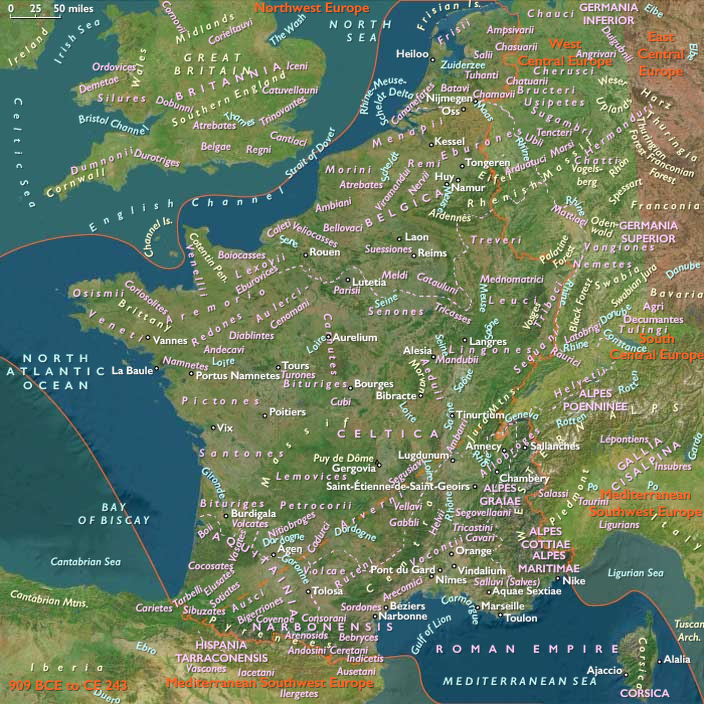
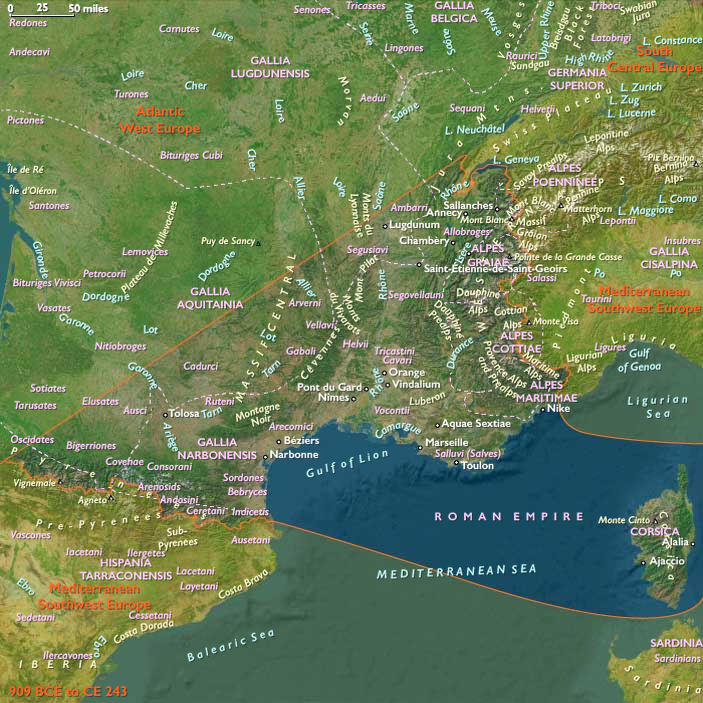
During his several years of exile in Corsica, Seneca has written twelve works entitled Moral Essays and 124 so-called Moral Letters, as well as a work on natural phenomena and several tragedies.
Seneca’s letters, which contain some of his finest discussions of Stoic problems, aim to educate their recipients in Stoicism.
Regarding Stoicism as a practical doctrine, he subordinates logic and physics to ethics, maintaining that "the true philosopher is the teacher of humanity."
Urging people to become indifferent to the transient goods of the world, valuing only the virtue within themselves, he maintains that to become truly virtuous, the wise person must learn to curb his emotions, which are, or involve, false judgments concerning the value of externals.
Exploring the nature and effects of the passions at length, he shows how they can be mastered, and lauds the blissful state of the person who cannot be swayed by fortune.
In addition to his essays, letters, and a work on natural phenomena, Seneca has penned several poetic tragedies such as Thyestes, whose bloody plots are based on Greek models.
His tragedies, although overburdened with rhetoric, feature striking declamatory passages and fascinating portraits of intense emotional states.
In the satirical Apocolocyntosis (or Pumpkinification), an expression of his bitter resentment of Claudius, Seneca mocks the deification of Claudius and makes fun of his physical defects.
In 49, Claudius' fourth wife, Agrippina the Younger, has Seneca recalled to Rome to tutor her 12-year-old son Nero.
Locations
People
Groups
Topics
Commodoties
Subjects
- Commerce
- Writing
- Environment
- Labor and Service
- Conflict
- Faith
- Government
- Technology
- Philosophy and logic
Regions
Subregions
Related Events
Showing 4 events out of 4 total
Years: 49 - 49
Locations
People
Groups
Topics
Commodoties
Subjects
- Commerce
- Writing
- Environment
- Labor and Service
- Conflict
- Faith
- Government
- Technology
- Philosophy and logic
Regions
Subregions