
…Santacara (1102). The last is repopulated …
Years: 1102 - 1102
…Santacara (1102).
The last is repopulated partly by Frenchmen, whose influence on local customs is apparent.
According to Peter's fueros, citizens are required to serve in local campaigns and castle defense, but are exempted from long-term service in the "host", the army of the Reconquista.
Locations
People
Groups
- Galicia, Kingdom of
- Muslims, Sunni
- Mozarabs
- Urgell, County of
- Navarre, Kingdom of
- León, Kingdom of
- French people (Latins)
- Zaragoza, Muslim statelet, or taifa, of
- Christians, Roman Catholic
- Castile, Kingdom of
- Aragón, Kingdom of
Topics
Commodoties
Subjects
Regions
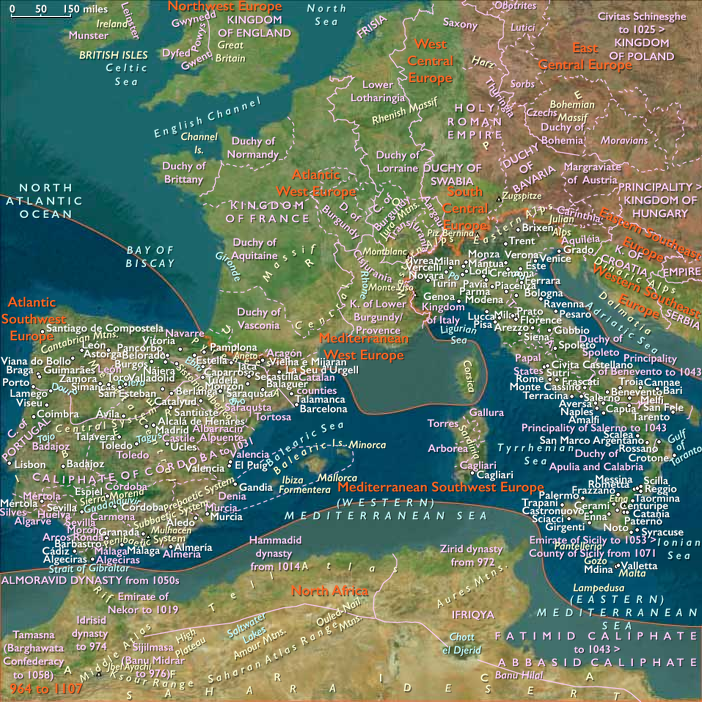
Subregions
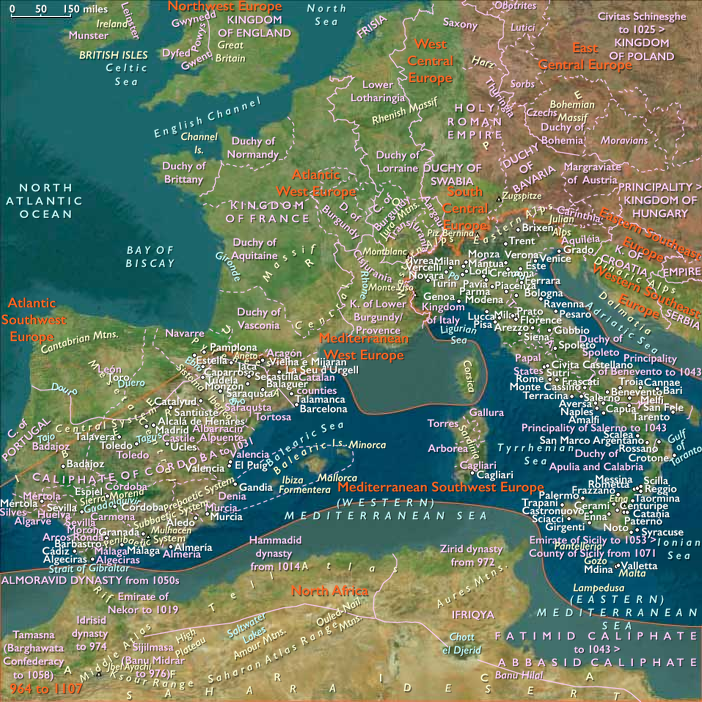
Related Events
Showing 10 events out of 50000 total
Years: 1102 - 1102
Locations
People
Groups
- Galicia, Kingdom of
- Muslims, Sunni
- Mozarabs
- Urgell, County of
- Navarre, Kingdom of
- León, Kingdom of
- French people (Latins)
- Zaragoza, Muslim statelet, or taifa, of
- Christians, Roman Catholic
- Castile, Kingdom of
- Aragón, Kingdom of
Topics
Commodoties
Subjects
Regions
Subregions